The Ultimate Europe Packing Checklist
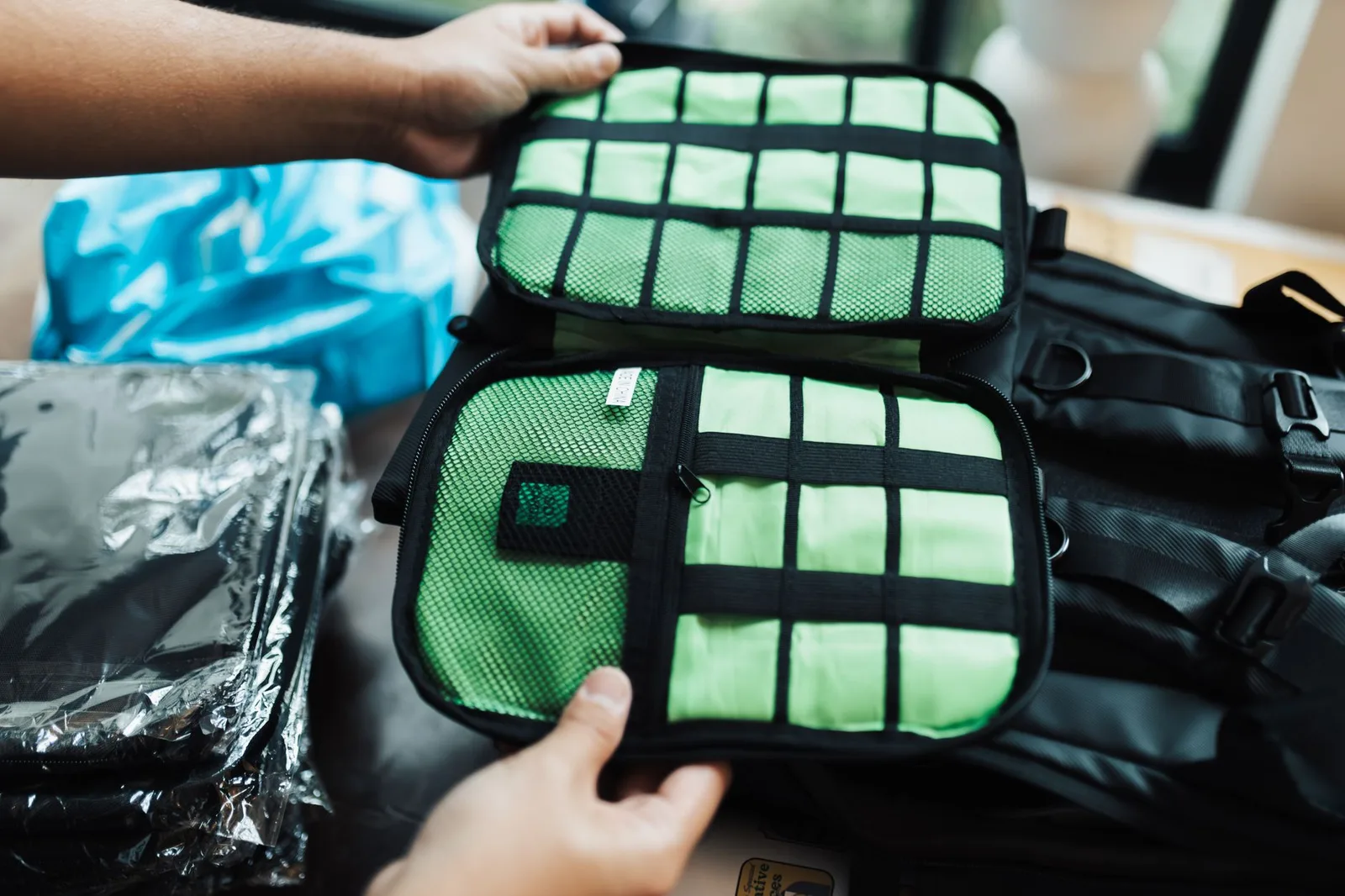
Packing for Europe requires a strategic focus on mobility, versatile layers, and the right technical gear to handle cobblestones, train transfers, and varying climates. By prioritizing a high-quality carry-on, selecting multi-use footwear, and understanding European electrical and transit constraints, you can avoid costly baggage fees and physical strain. This comprehensive guide provides an exhaustive, field-tested blueprint to help you pack efficiently for any European itinerary.
Preparing for a trip to Europe is an exciting endeavor, but it often comes with a distinct set of packing challenges. Unlike domestic travel within North America or resort-focused vacations, a European itinerary typically involves navigating historic infrastructure, transitioning between multiple microclimates, boarding regional trains with limited luggage space, and walking thousands of steps a day on uneven cobblestone streets. Packing too much is the single most common mistake travelers make, resulting in expensive airline gate fees, physical exhaustion, and logistical headaches at train stations.
To travel comfortably, you need a highly structured approach. This guide delivers a comprehensive, field-tested Europe packing checklist designed to keep your luggage light, functional, and perfectly suited to the realities of European transit and culture. Whether you are planning a summer trek through the Mediterranean, a winter tour of central European holiday markets, or a multi-country rail adventure, this blueprint will ensure you have exactly what you need without carrying an ounce of unnecessary weight.
Contents
Key Takeaways
- Prioritize a lightweight, durable carry-on bag to bypass strict European budget airline weight limits and easily navigate train stairs.
- Implement a strict three-layer clothing system to adapt to rapidly changing European weather patterns without overpacking.
- Invest in high-quality, supportive walking shoes that can handle 15,000+ daily steps on historic cobblestone streets.
- Carry the correct Type C, G, and E/F power adapters and understand voltage differences to protect your electronic devices.
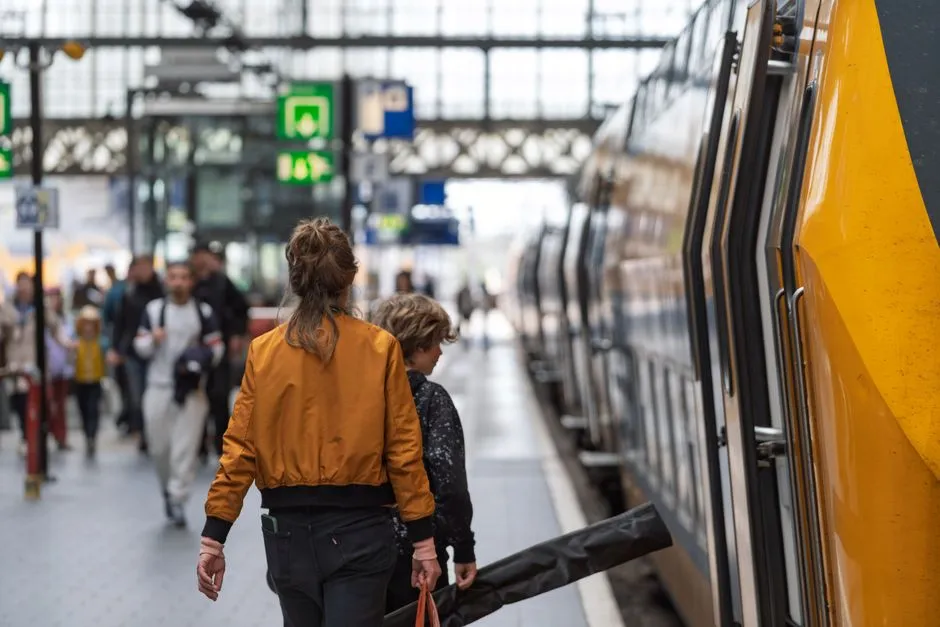
The Core Philosophy of European Travel Packing
Before placing a single item into your suitcase, it is vital to understand the physical environment of your destination. European cities are historic, dense, and designed for pedestrians. This means your luggage will not simply travel from an airport baggage carousel to a taxi trunk and then to a hotel elevator. Instead, you will likely pull your bag across historic stone plazas, lift it onto high train platforms, carry it up narrow, winding staircases in boutique hotels, and squeeze it into compact public transit carriages.
The Power of One-Bag Travel
Embracing a single carry-on bag is not merely a trend; it is a highly practical strategy for stress-free transit. Many regional European airlines, such as Ryanair, EasyJet, and Wizz Air, enforce exceptionally strict size and weight limits for cabin baggage. These limits are often significantly smaller and lighter than those of transatlantic carriers. By packing light, you eliminate the risk of checked bag loss, bypass long check-in lines, and save substantial amounts of money on regional baggage fees.
Furthermore, navigating train stations like the Paris Gare du Nord or London St Pancras is infinitely easier when you are agile. Train transfers often allow only a few minutes to disembark, find your next platform via pedestrian tunnels, and board. A heavy, oversized suitcase turns these transitions into high-stress scrambles. A single, well-organized carry-on backpack or compact rolling suitcase keeps you mobile and independent.
Understanding European Baggage Constraints
When selecting your luggage, you must design your kit around the most restrictive airline you plan to fly. While major carriers like Lufthansa or British Airways might allow a standard domestic carry-on size (typically 56 x 45 x 25 cm), regional budget carriers often restrict free cabin bags to a small personal item (such as 40 x 20 x 25 cm) that must fit under the seat in front of you. To bring a larger trolley bag overhead, you must purchase a specific fare tier, which still capped at a strict weight limit, frequently 10 kilograms (22 pounds) or even 8 kilograms.
The Ultimate Europe Packing Checklist
To ensure you do not forget any critical items while keeping your load light, we have broken down the ultimate Europe packing checklist into highly functional categories. Every item on this list should earn its place based on versatility, durability, and weight.
1. Luggage, Organization, and Security
The foundation of your packing system is the gear you use to carry and organize your belongings. Choosing the wrong bag can ruin an otherwise well-planned trip.
- Main Carry-On Bag: A travel backpack (40L to 45L) with a stowable harness system, or a lightweight, two-wheeled rolling suitcase. Two-wheeled bags generally handle cobblestones better than four-wheeled "spinner" bags, which have smaller, fragile wheels that can easily catch and break in pavement cracks.
- Daypack or Crossbody Bag: A packable, lightweight daypack or a secure, anti-theft crossbody bag with locking zippers for daily sightseeing. This bag should be small enough to be accepted inside historic museums and cathedrals, which often ban larger backpacks.
- Compression Packing Cubes: These are essential for compartmentalizing your clothing, compressing fabric to save space, and keeping your bag organized during frequent hotel transitions.
- Toiletry Hanging Kit: European hotel bathrooms are notoriously compact, often lacking counter space. A hanging toiletry kit allows you to utilize towel racks or wall hooks to keep your grooming items accessible.
- TSA-Approved Cable Lock: Useful for securing your bag zippers while walking through crowded transit hubs or locking your luggage to the storage racks at the ends of European train carriages.
2. Clothing and the Three-Layer System
The key to packing light for Europe is building a cohesive capsule wardrobe where every item can be layered and coordinated with every other item. Stick to a neutral color palette (navy, grey, black, olive, or beige) and avoid packing single-use outfits.
The Base Layer: Moisture Management
Your base layer sits directly against your skin. It must be breathable, quick-drying, and odor-resistant, allowing you to wear items multiple times before washing.
- Merino Wool or Synthetic T-Shirts (3-4): Merino wool is the gold standard for travel because it naturally resists odors for days and regulates temperature beautifully.
- Underwear (5-6 pairs): Choose high-performance, moisture-wicking synthetic fabrics (like nylon or polyester blends) that can be washed in a hotel sink and dry overnight.
- Socks (4-5 pairs): High-quality merino wool socks are non-negotiable. They prevent blisters, cushion your feet on hard stone streets, and manage moisture to keep your feet comfortable in hot or cold weather.
The Mid-Layer: Insulation
The mid-layer traps warm air generated by your body. It should be lightweight, highly packable, and easy to remove as you transition between chilly outdoor streets and warm indoor museums.
- Lightweight Fleece or Merino Sweater (1-2): A classic crewneck or quarter-zip sweater looks smart enough for European dining while providing excellent insulation.
- Packable Down Jacket or Vest (1): A highly compressible synthetic or down jacket that stuffs into its own pocket. This is incredibly useful for shoulder seasons or cooler evenings.
- Versatile Trousers (2-3 pairs): Opt for lightweight, technical travel pants that look like classic chinos, or dark, high-quality denim with stretch. Avoid heavy, bulky materials that take days to air-dry.
- Casual Dress or Smart Jumpsuit (1, optional): For warmer climates or evening dinners, a simple, non-wrinkling dress that can be dressed up with a scarf or dressed down with clean sneakers.
The Outer Layer: Weather Protection
European weather can be highly unpredictable. A sudden rain shower in London, Munich, or Amsterdam should not halt your sightseeing plans.
- Waterproof Rain Jacket (1): A windproof, breathable, and fully waterproof jacket (ideally with a Gore-Tex or similar membrane) featuring a hood. Avoid cheap plastic ponchos or heavy trench coats.
- Lightweight Scarf (1): A versatile accessory used by both men and women throughout Europe. It adds warmth, elevates a simple outfit, and can be used by women to cover shoulders when entering conservative religious sites like the Vatican or Orthodox churches in Greece.
3. Footwear: Engineering for Cobblestones
If there is one area where you should never compromise, it is your footwear. A painful blister or sore arch can completely derail your travel experience. You will likely walk double or triple your normal daily steps while in Europe.
- Primary Walking Shoe: A supportive, broken-in sneaker or athletic shoe with a thick, cushioned midsole. Look for neutral styles in leather or dark knit that blend in with local European fashion rather than bright, neon running shoes.
- Secondary/Smart Shoe: A lightweight, packable shoe for dinners or lighter walking days. This could be a supportive leather Chelsea boot, a stylish loafer, or a structured, supportive flat.
- Do Not Pack: Brand-new, untested shoes, cheap flip-flops (except for shared hostel showers), or high, thin heels which are dangerous on historic stone streets.
4. Electronics, Power Adapters, and Voltage
Keeping your devices charged is essential for navigation, digital train tickets, and capturing memories. However, European electrical systems differ significantly from those in North America and other regions.
Understanding European Outlets and Voltage
Most of continental Europe uses Type C, E, or F plugs, which feature two round pins. The United Kingdom and Ireland use Type G plugs, which feature three bulky, rectangular prongs. Additionally, Europe operates on a 230V electrical system at 50Hz, compared to the 120V system used in North America. While most modern smartphones, laptops, and camera chargers are dual-voltage (100-240V), simple heating appliances like hair dryers, straighteners, and electric shavers often are not. If you plug a single-voltage 120V appliance into a European outlet, you risk melting the device or blowing a fuse.
- Universal Travel Adapter: An all-in-one adapter that covers Type C/E/F (Europe) and Type G (UK/Ireland) with integrated USB-A and USB-C ports to charge multiple devices from a single wall outlet.
- Power Bank (10,000 to 20,000 mAh): Running navigation apps, translation tools, and taking photos will drain your phone battery quickly. Carry a reliable, fast-charging power bank. Ensure it is clearly labeled with its capacity, as European airport security agents may confiscate unlabeled batteries.
- Compact Charging Cables: Bring durable, braided cables of varying lengths, including a longer cable for older European hotel rooms where electrical outlets are often placed in inconvenient locations far from the bed.
- Noise-Canceling Earbuds: Essential for blocking out ambient noise on long flights, noisy train carriages, or busy city streets.
5. Toiletries and Personal Care
European pharmacies and supermarkets are world-class, meaning you do not need to pack a three-month supply of basic toiletries. Pack only what you need for the first few days and purchase replacements as you go.
- Solid Toiletries: To bypass the strict 100ml liquid limits at airport security, swap liquid shampoo, conditioner, and body wash for high-quality solid bars.
- Refillable Travel Bottles: If you must bring liquid products, use soft, squeezable silicone bottles labeled clearly with their volume.
- Prescription Medications: Keep these in their original pharmacy packaging with your name clearly printed. Carry a digital copy of your doctor's prescription, as customs or local pharmacies may require it.
- Basic First-Aid Kit: Include blister bandages (such as hydrocolloid plaster patches, which are invaluable for walking tours), pain relievers, antihistamines, and motion sickness medication for winding European bus routes or ferry rides.
- Sunscreen and Lip Balm: Even in northern Europe or during shoulder seasons, UV exposure can be high during long days spent outdoors.
6. Documents, Currency, and Financials
Keeping your sensitive information safe and accessible is paramount when traveling internationally. Digital backups are helpful, but physical backups are your ultimate safety net.
- Passport: Ensure your passport is valid for at least three to six months beyond your planned departure date from the Schengen Area, depending on the specific country's entry rules. Check the official U.S. Department of State or your home country's consular website for up-to-date entry requirements.
- Physical Photocopies: Keep a physical photocopy of your passport photo page, visa documents, and travel insurance policy stored separately from your digital devices.
- No-Foreign-Transaction-Fee Cards: Carry at least two different credit cards (ideally Visa and Mastercard, as American Express is not universally accepted in Europe) that do not charge extra fees for international purchases.
- Debit Card for ATM Withdrawals: Use a debit card that waives or reimburses out-of-network ATM fees. When withdrawing local currency (Euros, British Pounds, Swiss Francs, etc.), always select "Without Conversion" or choose to be billed in the local currency to avoid predatory dynamic currency conversion rates set by foreign ATMs.
- Emergency Cash: Keep a small amount of cash (around 50 to 100 Euros or local equivalent) tucked away in a secure pocket of your daypack for small establishments, public restrooms, or local markets that do not accept cards.
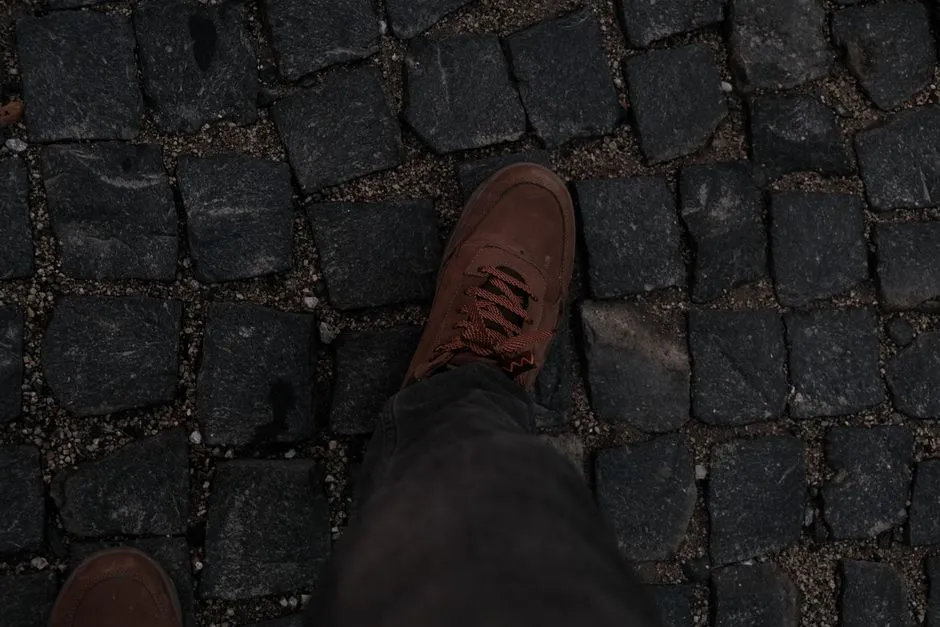
A Comprehensive Comparison of Packing Strategies
How you choose to pack can dramatically influence your travel comfort and speed. The table below compares the three primary packing strategies used by travelers heading to Europe.
| Packing Method | Average Weight | Mobility Level | Best Suited For | Key Drawback |
|---|---|---|---|---|
| One-Bag Carry-On (Backpack) | 7 kg - 10 kg | High | Multi-city rail trips, budget flights, historic city centers | Requires disciplined packing and regular laundry |
| Two-Wheel Rolling Carry-On | 8 kg - 12 kg | Medium-High | Single-destination trips, travelers with back or shoulder issues | Harder to pull over rough cobblestones and up stairs |
| Checked Spinner Suitcase | 15 kg - 23 kg + | Low | Long-term stays, winter travel with heavy gear, cruise travel | High airline fees, difficult transit navigation, high risk of loss |
Sample Europe Itineraries: Packing in Action
To help you visualize how to apply this checklist to real-world travel, let us explore two distinct packing and transit scenarios. These examples illustrate how to structure your gear and daily schedule for maximum efficiency.
Scenario A: The Multi-City Rail Adventure (3 Days in Italy)
This fast-paced itinerary transitions from Rome to Florence, requiring quick transitions, minimal gear, and a focus on walking comfort.
Day 1: Arrival in Rome and Historical Exploration
- 09:00 - 10:00: Arrive at Rome Fiumicino Airport. Bypass the baggage claim carousel because you traveled with a single carry-on backpack. Board the Leonardo Express train directly to Roma Termini station.
- 10:30 - 11:30: Check into your hotel near the Monti district. Unpack your hanging toiletry bag and set up your charging station using your European Type C power adapter.
- 12:00 - 15:00: Head out for a walking tour of the Colosseum and Roman Forum. Wear your highly cushioned walking shoes, lightweight merino t-shirt, and polarized sunglasses. Carry your anti-theft crossbody bag with your passport and a reusable water bottle.
- 16:00 - 18:00: Rest and recharge at a local cafe. Use your portable power bank to top up your smartphone, which has been running navigation and digital ticketing apps all day.
- 19:30 - 22:00: Dinner at a traditional trattoria. Elevate your look by layering a smart merino wool sweater over your t-shirt and swapping your daypack for a compact wallet.
Day 2: High-Speed Rail to Florence
- 08:00 - 09:30: Pack your gear in under five minutes using your compression packing cubes. Check out of your hotel and walk to Roma Termini. Easily lift your single backpack onto the overhead luggage rack of the Frecciarossa high-speed train.
- 11:00 - 12:30: Arrive at Firenze Santa Maria Novella. Walk directly to your accommodation near the Duomo, effortlessly navigating the cobblestone streets because you do not have a heavy suitcase to drag.
- 13:30 - 16:30: Visit the Uffizi Gallery. Since museums have strict size limits for bags, your compact daypack easily passes security without requiring you to wait in long cloakroom lines.
- 17:00 - 19:00: Walk up to Piazzale Michelangelo for sunset. Wear your packable down jacket, as the temperature drops quickly once the sun sets over the Arno River.
- 20:00 - 22:30: Enjoy a Florentine steak dinner. Your durable, stretch travel pants provide both comfort and a polished appearance suitable for a nice restaurant.
Day 3: Tuscan Day Trip and Departure Preparation
- 09:00 - 14:00: Take a regional bus to the hilltop town of San Gimignano. Wear your sturdy walking shoes to handle the steep, medieval stone streets. Keep your waterproof rain jacket in your daypack, as light showers are forecast.
- 15:00 - 18:00: Return to Florence, collect your carry-on bag from your accommodation's secure storage, and head to the airport or train station for your next destination. Your quick-dry travel wear is clean, organized, and ready for the next leg of your journey.
Scenario B: The Northern Europe Shoulder-Season Getaway (2 Days in Amsterdam)
This itinerary focuses on cool, damp weather, requiring smart layering and robust weather protection while exploring Amsterdam's canals and museums.
Day 1: Canals, Art, and Unpredictable Weather
- 08:30 - 09:30: Arrive at Amsterdam Airport Schiphol. Take the direct train to Amsterdam Centraal. Because you packed a compact rolling carry-on, you easily navigate the steep, narrow staircases of a traditional canal house hotel.
- 10:00 - 13:00: Visit the Rijksmuseum to view Dutch masterpieces. Wear your base-layer merino t-shirt, insulated mid-layer fleece, and comfortable walking shoes.
- 13:30 - 15:30: Embark on an open-air canal boat tour. The wind off the water is cold; pull on your windproof, waterproof rain jacket and wrap a warm, lightweight scarf around your neck.
- 16:00 - 18:00: Explore the historic Jordaan neighborhood. If a sudden rain shower begins, your waterproof jacket keeps you dry and comfortable, allowing you to keep exploring while other tourists scramble for shelter.
- 19:00 - 21:30: Dinner at a local bistro. Your dark-wash stretch denim pants and clean, minimalist leather sneakers fit perfectly with the casual yet stylish Amsterdam aesthetic.
Day 2: Dutch History and Modern Transit
- 09:00 - 11:30: Visit the Anne Frank House (ensure tickets are booked months in advance via the official Anne Frank House website). Keep your daypack small to comply with their strict bag policy.
- 12:00 - 14:30: Rent a bicycle to explore Vondelpark like a local. Your flexible, technical travel pants allow for easy movement, and your secure zippered pockets keep your phone and wallet safe while cycling.
- 15:00 - 17:00: Return to the hotel to retrieve your luggage. Board a Eurostar train to London or a regional train to Brussels, resting easy knowing your bag fits perfectly in the overhead storage space right above your seat.
Best Photo and Sunset Spots in Europe
Capturing the beauty of European landscapes requires being in the right place at the right time. Here are five iconic locations, complete with timing and practical logistics, to help you get the perfect shot.
1. Piazzale Michelangelo (Florence, Italy)
This elevated square offers a panoramic view of the entire Florentine skyline, including the Duomo, the Palazzo Vecchio, and the Arno River bridges.
- Best Timing: 45 minutes before sunset to capture the golden hour light hitting the terracotta roofs, followed by the blue hour as the city lights turn on.
- How to Access: Walk up the steep stone staircases from the San Niccolò neighborhood (around 15-20 minutes) or take local bus 12 or 13 from the city center. Wear your supportive walking shoes, as the climb is continuous.
- Photography Tip: Bring a travel tripod if you plan to shoot long exposures of the river, but keep it compact so it fits inside your daypack.
2. Charles Bridge (Prague, Czech Republic)
This historic gothic stone bridge connects Prague's Old Town with the Lesser Town (Malá Strana), featuring thirty Baroque-style statues lining the balustrades.
- Best Timing: Sunrise. Sunset on the Charles Bridge is incredibly crowded, making clean photos impossible. At sunrise, you will share the bridge with only a handful of dedicated photographers and mist rising off the Vltava River.
- How to Access: Walk from any central Prague accommodation. The bridge is pedestrian-only.
- Photography Tip: Shoot facing east toward the Old Town Bridge Tower to capture the sun rising behind the gothic spires.
3. Trocadéro Gardens (Paris, France)
The classic, unobstructed view of the Eiffel Tower framed by fountains and manicured gardens.
- Best Timing: Early morning (just after sunrise) for soft, golden light and empty plazas, or at the top of the hour after dark to capture the tower sparkling.
- How to Access: Take the Paris Metro to the Trocadéro station (Lines 6 and 9) and exit directly onto the viewing platform.
- Photography Tip: Use the steps leading down to the gardens to create leading lines that draw the eye directly to the Eiffel Tower.
4. Park Güell (Barcelona, Spain)
Antoni Gaudí’s whimsical park features colorful mosaic terraces that overlook the rooftops of Barcelona and the Mediterranean Sea.
- Best Timing: Late afternoon, just before the park closes. The warm sun illuminates the vibrant ceramic tilework beautifully.
- How to Access: Take Metro Line 3 to Lesseps or Vallcarca stations, followed by a 15-minute uphill walk. Alternatively, take municipal bus H6 or D40.
- Photography Tip: Focus your lens through the undulating stone arches or use the famous mosaic lizard as a foreground element to add depth to your shot.
5. Fisherman's Bastion (Budapest, Hungary)
A neo-Gothic terrace located on the Buda castle hill, offering panoramic views of the Danube River, Margaret Island, and the Hungarian Parliament Building.
- Best Timing: Blue hour (just after sunset) when the Parliament building across the river is illuminated in brilliant gold, contrasting against the deep blue sky.
- How to Access: Take the Castle Bus (Route 16) from Széll Kálmán Square or walk up the historic stone pathways from the Danube riverbank.
- Photography Tip: Use the stone arches and pointed turrets of the bastion to frame the Parliament building, creating a classic, fairytale-like composition.
Common Mistakes to Avoid When Packing for Europe
Even experienced travelers fall into common traps when preparing for a European trip. Avoiding these mistakes will save you time, money, and physical discomfort.
- Mistake 1: Packing "Just in Case" Items: Many travelers pack items they *might* need, such as an extra pair of heavy boots, a formal suit, or multiple umbrellas. The Fix: If you do not use an item weekly at home, do not pack it. If an unexpected situation arises, you can easily purchase what you need at a local European shop.
- Mistake 2: Bringing Heavy, Cotton Clothing: Heavy cotton sweatshirts, thick denim, and cotton underwear absorb moisture, hold onto odors, and take days to dry on a travel clothesline. The Fix: Switch to technical synthetics, merino wool, and lightweight linen blends that breathe well and dry rapidly.
- Mistake 3: Underestimating the Cobblestones: Packing flimsy flats, thin-soled sandals, or high heels because they look stylish in photos. The Fix: Prioritize structural support. Your shoes must have a thick, shock-absorbing sole to protect your feet from the constant impact of hard stone streets.
- Mistake 4: Using a Giant, Four-Wheel Spinner Suitcase: Giant suitcases are difficult to lift onto trains, do not fit in small European car rentals, and their small wheels easily break on historic pavements. The Fix: Limit your bag size to a maximum of 45 liters for backpacks or a compact, two-wheeled rolling carry-on.
- Mistake 5: Forgetting to Check Airline Weight Limits: Assuming that because your bag fits in the overhead bin, it will be accepted. European budget airlines frequently weigh carry-on bags at the boarding gate. The Fix: Use a digital luggage scale before leaving for the airport to ensure your fully packed bag is under the strict 8kg or 10kg limit.
- Mistake 6: Relying Solely on Credit Cards: Assuming that everywhere in Europe is 100% cashless. While major cities are highly digital, small mountain villages, local bakeries, public toilets, and coin-operated luggage lockers often require physical coins or small bills. The Fix: Always keep a small stash of local currency on hand.
Frequently Asked Questions
What are the actual carry-on size limits for budget European airlines?
Carry-on limits vary by airline, but they are generally much stricter than those in North America. For example, Ryanair’s free personal item size is restricted to 40 x 20 x 25 cm, which must fit under the seat. If you pay for a "Priority & 2 Cabin Bags" fare, you can also bring a larger overhead bag up to 55 x 40 x 20 cm, with a maximum weight of 10 kg. EasyJet allows a free small cabin bag of 45 x 36 x 20 cm, with the option to pay for a larger overhead bag of 56 x 45 x 25 cm. Always check the exact dimensions on your airline's official website before packing, as gate agents strictly enforce these rules and charge steep fees for oversized bags.
Can I use my hair dryer or straightener in Europe with just an adapter?
Generally, no. Most North American hair dryers, curling irons, and straighteners are designed solely for 120V electrical systems. Because European outlets deliver 230V, plugging a single-voltage appliance into a European outlet will likely damage the device or trip the hotel's circuit breaker, even if you use a plug adapter. To safely use these appliances, they must be dual-voltage (labeled "100-240V"). If they are not, it is highly recommended to buy a dual-voltage travel version, use the hair dryer provided by your hotel, or purchase a cheap styling tool at a local European electronics shop once you arrive.
How do I wash my clothes while traveling through Europe with only a carry-on?
Washing your clothes on the go is simple and highly efficient. For quick refreshes, wash lightweight synthetic underwear, socks, and t-shirts in your hotel sink using a small travel packet of laundry detergent or solid soap. Hang them to dry overnight on a travel clothesline or over a heated towel rack (common in European bathrooms). For larger loads, look for a local self-service laundromat (known as a "lavanderia" in Italy/Spain or "laverie" in France). This is an excellent way to experience local life, takes only about an hour, and costs very little. Alternatively, many hostels and hotels offer affordable laundry services.
Is a money belt necessary to prevent pickpocketing in major European cities?
While a traditional money belt worn under your clothes is highly secure, it is not strictly necessary if you practice basic situational awareness. Pickpockets in crowded tourist hubs (like the Paris Metro or Barcelona’s Las Ramblas) target easy, accessible marks. You can protect your valuables by using a secure crossbody bag worn across the front of your body with zippered compartments, keeping your phone out of your back pockets, and never leaving your bag hanging on the back of a chair at an outdoor cafe. A secure, zippered inner pocket of your jacket is also an excellent place to store your passport and primary cards.
Should I exchange cash before I leave for Europe or wait until I arrive?
It is almost always better to wait until you arrive in Europe to get cash. Exchanging currency at your home bank or at airport exchange booths typically comes with high fees and poor exchange rates. Instead, use your debit card to withdraw local currency directly from a reputable bank ATM (such as Sparkasse in Germany, BNP Paribas in France, or Santander in Spain) once you land. Avoid independent, non-bank ATMs (like Euronet), which charge exorbitant fees and use unfavorable conversion rates. Always choose to be charged in the local currency rather than your home currency when making ATM withdrawals or card payments.
How do I dress appropriately for European churches and religious sites?
Many historic European religious sites, such as the Vatican Museums in Rome, St. Mark's Basilica in Venice, or monasteries in Greece, enforce strict dress codes. Visitors must have their shoulders and knees fully covered. Tank tops, sleeveless shirts, short skirts, and shorts above the knee are generally not permitted, and staff will deny entry. To stay comfortable in hot weather while respecting local customs, pack lightweight trousers, midi-skirts, or carry a lightweight scarf or sarong in your daypack that you can quickly wrap around your shoulders or waist before entering.
By following this comprehensive Europe packing checklist, you will eliminate the stress of overpacking and set yourself up for a seamless, highly mobile travel experience. Focus on lightweight, versatile layers, invest in high-quality walking shoes, and keep your luggage compact to navigate the planes, trains, and historic streets of Europe with ease. Happy travels!
NEW — AI Snap & Check: photograph your packed bag and OneBag's AI instantly ticks off your items and warns you about missing essentials (passport, wallet, charger). Plus smart carry-on lists for your exact trip and bag-weight tracking for 80+ airlines — so you never forget a thing or pay an overweight fee.

Independent Full Stack Developer · Founder of Tabserve
Aycan builds and maintains Tabserve's apps — OneBag, Routevia and RentFlow — and writes practical, tested guides to help you pack smarter and travel better.