How to Pack a Suit in a Suitcase: The Ultimate Wrinkle-Free Travel Guide

Packing a suit without causing deep, stubborn wrinkles requires choosing the right folding technique based on your luggage size. By mastering the shoulder-inside-out roll, using dry cleaner plastic bags to reduce friction, or utilizing a dedicated hybrid garment bag, you can arrive at your destination ready for your meeting. Combining these folding methods with strategic packing layers ensures your formal wear remains pristine throughout transit.
Business travel demands efficiency, speed, and immaculate presentation. Nothing compromises a professional first impression faster than stepping into a high-stakes board meeting or a formal presentation in a crumpled, heavily creased suit. Knowing how to pack a suit in a suitcase is an essential skill for any traveling professional, preventing the frantic search for a hotel iron minutes before an important event.
While many travelers assume that transport inevitably ruins tailored clothing, fabric science tells a different story. Wrinkles are caused by a combination of heat, moisture, and friction. By understanding how to minimize these three elements within your luggage, you can keep your wool, linen, or cotton blend suits looking freshly pressed. This comprehensive guide walks you through the precise folding mechanics, packing layouts, and unpacking protocols used by frequent flyers and professional stylists.
Contents
- Key Takeaways
- Why Suit Construction Dictates Your Packing Strategy
- The Four Definitive Methods for Packing a Suit
- How to Fold and Pack Suit Trousers
- Strategic Suitcase Architecture: Where to Place the Suit
- The Best Travel Gear for Wrinkle Prevention
- Common Mistakes to Avoid When Packing a Suit
- What to Do Immediately Upon Arrival
- Frequently Asked Questions
- Arrive Sharp, Travel Light
Key Takeaways
- Turn one shoulder of your suit jacket inside out to protect the delicate exterior fabric and structure.
- Use dry-cleaning plastic bags between layers of folded clothing to eliminate the friction that causes deep creases.
- Always pack your suit on top of heavier items like shoes and toiletries to prevent heavy compression.
- Unpack and hang your suit immediately upon arrival, utilizing bathroom steam to relax minor transit wrinkles.
Why Suit Construction Dictates Your Packing Strategy
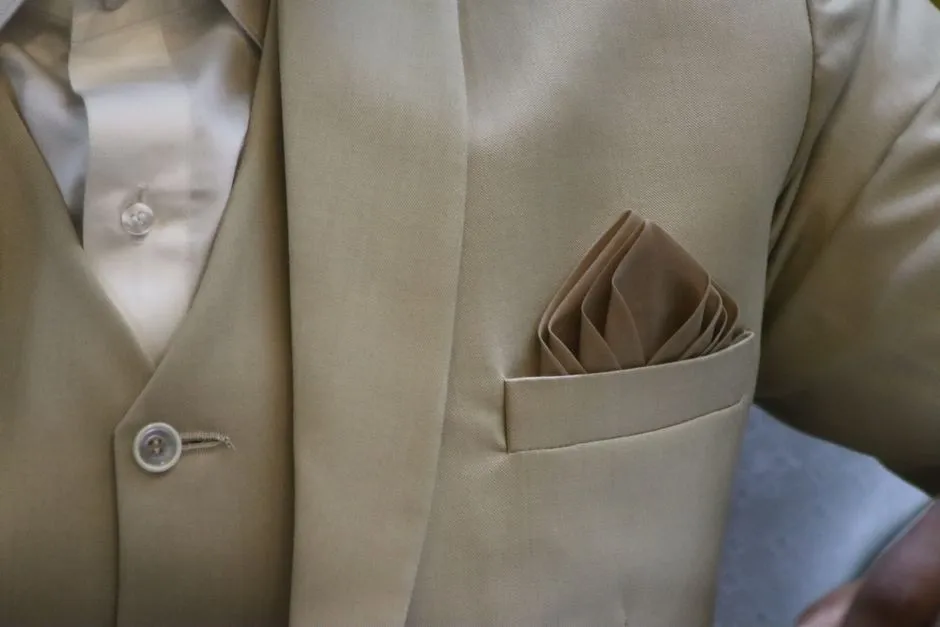
Before folding a single sleeve, it is crucial to understand the anatomy of a suit jacket. Unlike casual shirts or knitwear, a tailored jacket features an intricate internal structure consisting of shoulder pads, chest canvasing, and a delicate lining. Standard folding methods that compress these structural elements can permanently warp the chest plate or damage the shoulder padding, requiring professional pressing or tailoring to fix.
The Role of Fabric Weight and Weave
Different fabrics react uniquely to being compressed inside a suitcase. High-twist wools (such as tropical wool or worsted wool) possess excellent natural elasticity, meaning they resist wrinkling and bounce back quickly once hung up. Conversely, linen, cotton, and lightweight silk blends have very low elasticity, making them highly susceptible to creasing. If you are traveling with a summer linen suit, your packing technique must be exceptionally gentle, whereas a heavy flannel or tweed winter suit is far more forgiving of tight packing configurations.
The Four Definitive Methods for Packing a Suit
There is no single "correct" way to pack a suit; the best method depends entirely on the type of luggage you are using and how much space you have. Below are the four most reliable techniques, ranked by their effectiveness and space consumption.
| Method Name | Time Needed | Cost Level | Best For |
|---|---|---|---|
| The Shoulder-Inside-Out Roll | 3-4 minutes | Free | Carry-on suitcases and tight spaces |
| The Flat-Fold (Dry Cleaner Bag) | 2 minutes | Free | Large checked bags and flat packing compartments |
| The Hybrid Garment Bag Duffel | 1 minute | Premium | Dedicated business trips (2-3 days) |
| The Traditional Garment Folder | 3 minutes | Budget | Minimalist travelers using backpacks |
1. The Shoulder-Inside-Out Roll Method
This is the gold standard for carry-on travelers who need to maximize space while protecting their jacket's structure. By tucking one shoulder into the other, you create a natural, padded curve that resists sharp creasing.
Step-by-Step Execution:
- Step 1: Hold the jacket upright and pop the collar.
- Step 2: Turn the left shoulder completely inside out, pulling the sleeve lining through so the interior lining faces outward.
- Step 3: Take the right shoulder (which is still right-side out) and tuck it directly inside the inverted left shoulder. The two shoulders should now nest perfectly, lining-to-lining.
- Step 4: Align the lapels, collar, and front panels so they lie flat and straight along the length of the jacket.
- Step 5: Lay the jacket on a clean, flat surface. Fold the jacket in half horizontally from the waist, or gently roll it from the bottom hem up to the collar. Rolling prevents the horizontal crease line that folding can sometimes create.
2. The Flat-Fold with Dry Cleaner Plastic
Friction is the primary driver of fabric creasing. When two pieces of wool rub together under pressure, they grip and fold. Inserting a slick barrier—like a plastic dry-cleaner bag—allows the fabric to slide smoothly instead of bunching up.
Step-by-Step Execution:
- Step 1: Lay your suit jacket flat on a table, button-side down.
- Step 2: Fold the left sleeve backward across the center of the back panel. Repeat with the right sleeve, crossing it over the first sleeve to form an "X" or parallel lines.
- Step 3: Fold the jacket in half horizontally, bringing the bottom hem up to meet the collar.
- Step 4: Slide the folded jacket inside a clean plastic dry-cleaner bag. Trap a small pocket of air inside the bag before sealing or folding the opening; this air pocket acts as a cushion, preventing other items in your suitcase from compressing the jacket flat.
3. The Hybrid Garment Bag Duffel
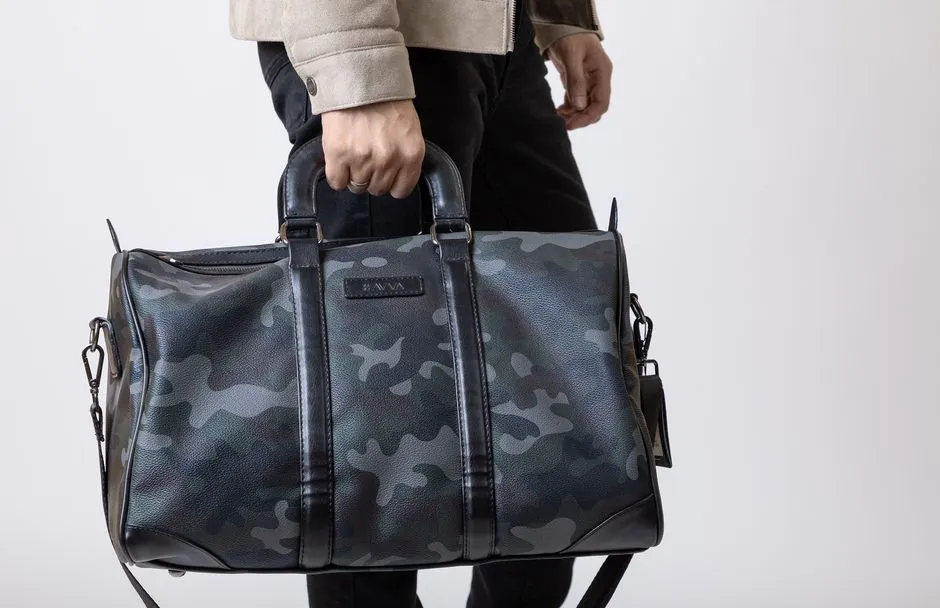
If you travel frequently for business, investing in a hybrid garment bag is highly recommended. These innovative bags lay completely flat like a traditional garment bag so you can hang your suit, but then zip up to form a cylindrical duffel bag. The suit wraps around the outer perimeter of the duffel, ensuring there are no sharp folds or pressure points, while leaving the center open for shoes, toiletries, and casual wear.
4. The Traditional Garment Folder
For those traveling with a medium-to-large suitcase, a structured garment folder (often sold as a packing accessory) provides a rigid plastic board to fold your suit around. This ensures the suit remains perfectly flat and cannot slide around or bunch up during transit, regardless of how roughly your luggage is handled by airport staff.
How to Fold and Pack Suit Trousers
Trousers are significantly easier to pack than jackets, but they still require a precise approach to preserve the vertical crease down the front of the leg. Never fold your trousers horizontally across the knees without first aligning the seams.
The Natural Crease Fold
- Step 1: Hold the trousers by the cuffs and find the natural vertical creases on the front and back of the legs.
- Step 2: Fold the trousers along these creases so that the two legs lay flat against each other, with the side seams matching up.
- Step 3: Lay the trousers flat on a clean surface. Fold them in half horizontally (bringing the cuffs to the waistband), or fold them into thirds if your suitcase is smaller.
- Step 4: Place a piece of tissue paper or a plastic bag between the folds to prevent the fabric from clinging to itself.
Strategic Suitcase Architecture: Where to Place the Suit
Knowing how to fold the suit is only half the battle; how you arrange your entire suitcase determines whether those folds survive the journey. You must treat your suitcase like a structural building, placing heavy, rigid items at the bottom and delicate items on top.
The Layering Blueprint
To protect your tailored garments, construct your suitcase layers using this specific hierarchy:
The Base Layer (Bottom of the Suitcase)
Place your heaviest, most rigid items near the wheels of the suitcase. This includes shoes (stuffed with socks to preserve their shape), heavy toiletry kits, hair dryers, and chargers. Placing these items at the bottom prevents them from sliding down and crushing your clothes when the suitcase is stood upright.
The Middle Layer
Pack your casual wear, jeans, sweaters, and underwear in this section. Utilizing structured packing cubes is highly efficient here, as they create a flat, stable platform for the delicate items above them.
The Top Layer (The Safe Zone)
Your folded suit jacket and trousers must sit on the very top of your packed items. Secure them gently under the suitcase's internal compression straps, but do not pull the straps so tight that they pinch or deeply compress the fabric. The suit should have just enough pressure to keep it from shifting during flight turbulence.
NEW — AI Snap & Check: photograph your packed bag and OneBag's AI instantly ticks off your items and warns you about missing essentials (passport, wallet, charger). Plus smart carry-on lists for your exact trip and bag-weight tracking for 80+ airlines — so you never forget a thing or pay an overweight fee.
The Best Travel Gear for Wrinkle Prevention
While mastering folding techniques is free, utilizing specialized travel gear can make the process faster and more reliable. Consider integrating these tools into your travel routine:
- Pack-It Folders: These envelope-style packing accessories feature rigid boards that guide your folds and keep shirts and suits compressed just enough to prevent sliding.
- Travel-Sized Fabric Wrinkle Release Sprays: A simple chemical solution that relaxes fabric fibers. A quick spray and a hand-smoothing motion can eliminate minor surface wrinkles instantly.
- Compact Handheld Steamers: If you travel frequently to locations without reliable hotel irons, a dual-voltage travel steamer is an invaluable addition to your gear.
Common Mistakes to Avoid When Packing a Suit
- Mistake: Buttoning the jacket before folding.
The Fix: Always leave the jacket unbuttoned. Buttoning creates tension points across the chest and lapels, which leads to deep, permanent creases when folded. - Mistake: Packing shoes without protection.
The Fix: Never let shoe soles touch your suit fabric. Always place shoes in dedicated shoe bags and position them at the opposite end of the suitcase from your suit jacket. - Mistake: Leaving the suit in the suitcase after arrival.
The Fix: Make it your absolute first priority to unpack and hang your suit the moment you check into your hotel room. The longer a suit remains compressed, the more permanent the wrinkles become. - Mistake: Overpacking the suitcase.
The Fix: If you have to sit on your suitcase to zip it shut, your suit will be ruined. Over-compression forces wrinkles deep into the core of the fabric fibers. Ensure there is at least a small amount of buffer space at the top of your bag. - Mistake: Using wire hangers.
The Fix: Wire hangers from dry cleaners are too thin and can ruin the shoulder shape of a heavy wool suit. Always use a thick wooden or contoured plastic hanger to support the jacket's shoulders.
What to Do Immediately Upon Arrival
Even with perfect packing technique, your suit may experience minor wrinkling due to changes in cabin pressure and humidity. Follow this three-step recovery protocol as soon as you enter your hotel room:
1. The Immediate Hang
Remove the suit from the suitcase and hang it on a sturdy, contoured hanger. Shake it gently to let gravity pull the fabric flat.
2. The Bathroom Steam Trick
If the suit has visible wrinkles, hang it on the back of the bathroom door while you take a hot shower. Ensure the bathroom door is closed so the room fills with steam. The moisture will penetrate the wool fibers, causing them to relax and release creases naturally. Be careful not to place the suit directly inside the shower stream where it could get wet.
3. The Local Press Option
For critical events like weddings or executive board presentations, call your hotel front desk ahead of time to confirm if they offer express pressing services. If your suit is severely creased, paying a small fee for professional pressing is worth the peace of mind.
Frequently Asked Questions
How do you pack a suit in a carry-on without a garment bag?
The most effective way is the shoulder-inside-out roll method. By turning one shoulder inside out and nesting the other shoulder inside it, you can roll the jacket from the bottom up. This creates a compact, cylindrical shape that fits easily into a standard carry-on suitcase without damaging the internal canvas or shoulder pads.
Can you fold a suit jacket in half?
Yes, but you must fold it carefully. Lay the jacket flat, fold the sleeves across the back in an "X" shape, and fold the bottom half of the jacket up over the shoulders. To prevent a sharp crease line across the middle, place a rolled towel, a piece of tissue paper, or a plastic dry-cleaner bag inside the fold to act as a soft cushion.
How do you get wrinkles out of a suit in a hotel?
The easiest method is to hang the suit on a thick hanger in the bathroom while you run a hot shower. The steam relaxes the fabric fibers, allowing gravity to pull the wrinkles out. Alternatively, you can use a travel fabric wrinkle-releaser spray or request a steam iron from the hotel front desk—just make sure to place a clean towel between the iron and the suit fabric to avoid scorching.
Should you button a suit jacket when packing it?
No, you should never button a suit jacket before folding or packing it. Buttoning restricts the natural movement of the fabric and creates tight tension points across the chest. Leaving the jacket completely unbuttoned allows the front panels to lie flat and slide naturally, minimizing the risk of deep creasing.
Are hybrid garment bags worth it for business travel?
Yes, hybrid garment bags are highly worth the investment for frequent business travelers. They allow you to hang your suit flat like a traditional garment bag, but then zip up into a spacious duffel bag. This design ensures that your suit is gently wrapped around the outer wall of the bag rather than folded, completely eliminating sharp crease lines.
How do you pack suit shirts to prevent collar crushing?
To protect your dress shirts, button every other button and fold them using a standard rectangular shirt fold. To prevent the collar from being crushed flat by other items in your suitcase, insert a rolled-up belt inside the collar loop. This provides rigid structural support from the inside, keeping the collar upright and crisp.
Arrive Sharp, Travel Light
Mastering how to pack a suit in a suitcase is a fundamental skill that transforms the stress of business travel into a seamless, confident experience. By choosing the right folding method, utilizing friction-reducing plastic bags, and structuring your suitcase layers logically, you ensure that your professional attire arrives in the same pristine condition it left your closet. With a little practice, packing a suit becomes a quick, routine task, letting you focus entirely on the business goals of your journey.

Independent Full Stack Developer · Founder of Tabserve
Aycan builds and maintains Tabserve's apps — OneBag, Routevia and RentFlow — and writes practical, tested guides to help you pack smarter, travel better and manage rentals with less hassle.