Best compression packing cubes for travel
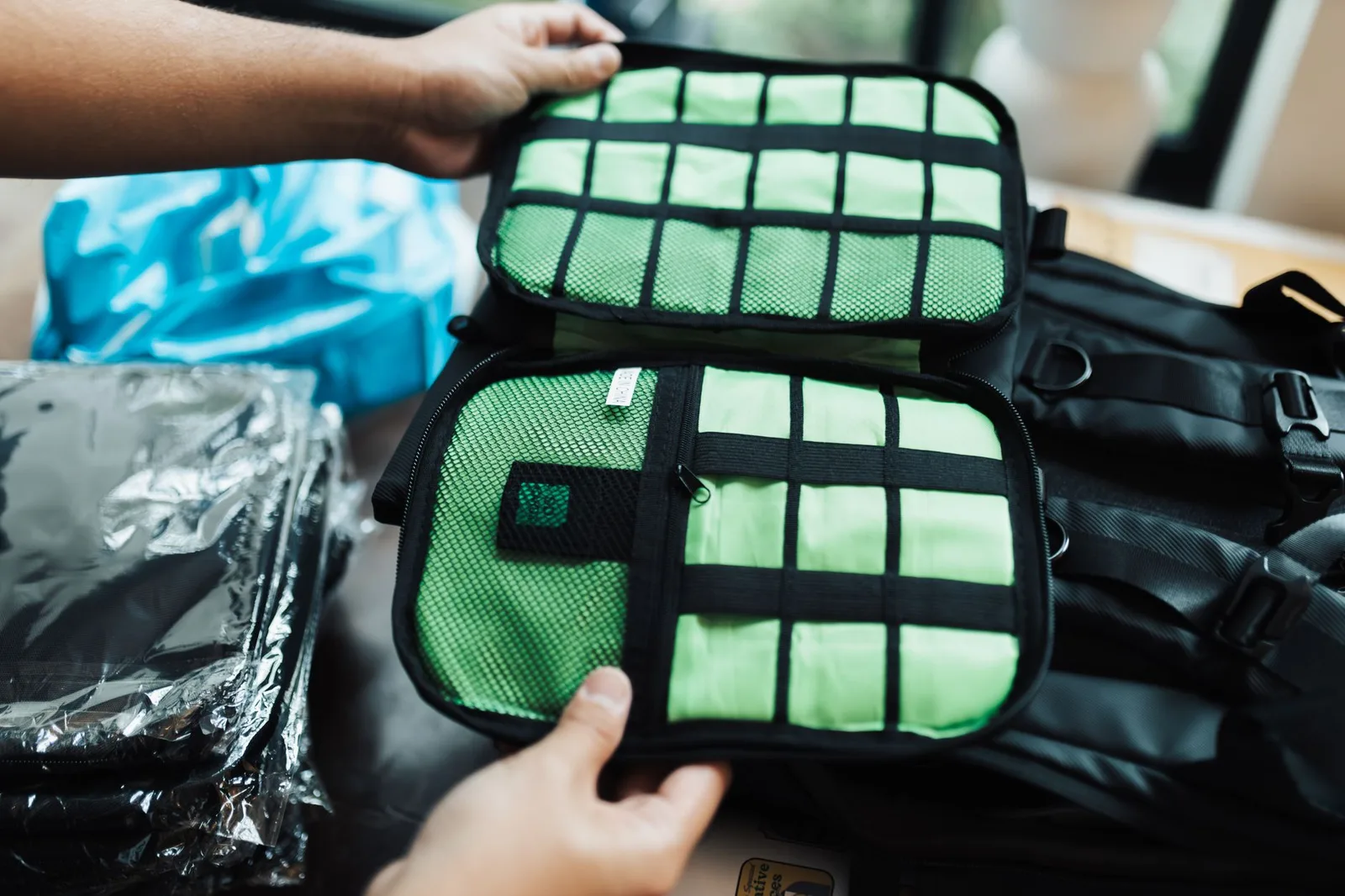
Compression packing cubes use a specialized dual-zipper system to extract excess air from your clothes, reducing their volume by up to 40%. While standard cubes only organize your gear, compression models actively save physical space inside your luggage. This comprehensive guide explains how to choose the best compression packing cubes for travel, when they are worth the investment, and how to pack them to maximize every inch of your carry-on.
Every traveler faces the same physical constraint: the fixed volume of a suitcase or backpack. When you are trying to fit a week's worth of clothing into a strict airline carry-on limit, space becomes your most valuable currency. Standard packing cubes have long been praised for their ability to organize a suitcase, turning a chaotic pile of clothes into neat, modular drawers. However, standard cubes do not actually save space; they merely contain it.
This is where compression packing cubes change the game. By utilizing a secondary perimeter zipper designed to compress bulk, these specialized travel accessories squeeze out trapped air and flatten your packed garments. For minimalist travelers, budget airline flyers, and those who prefer to travel with a single backpack, finding the best compression packing cubes for travel can mean the difference between paying a hefty gate-check fee and breezing through security with a single overhead bag.
Contents
- Key Takeaways
- The Mechanics of Compression: How Do They Actually Work?
- Compression Cubes vs. Standard Packing Cubes
- How to Choose the Best Compression Packing Cubes for Travel
- The Art of Packing: Step-by-Step Compression Guide
- When Are Compression Cubes Actually Worth It?
- Common Mistakes to Avoid When Using Compression Cubes
- Frequently Asked Questions
- The Verdict: A Must-Have for Minimalist Travelers
Key Takeaways
- Compression cubes use a heavy-duty dual-zipper system to reduce clothing volume by 30% to 40%, whereas standard cubes only organize.
- They are highly effective for soft, air-trapping items like sweaters, down jackets, t-shirts, and socks, but less effective for rigid, structured garments.
- To avoid broken zippers and damaged seams, look for cubes made from high-tensile fabrics like ripstop nylon or Cordura, equipped with self-healing YKK zippers.
- Overpacking compression cubes can create a rounded, sausage-like shape that actually wastes space by leaving empty corners in your suitcase.

The Mechanics of Compression: How Do They Actually Work?
To understand why compression cubes are highly regarded by frequent flyers, it helps to look at their construction. Unlike a standard fabric pouch, a compression cube features two distinct zipper tracks. The first zipper is the opening zipper, which allows you to open the lid fully, load your folded or rolled clothes, and zip the compartment shut. At this stage, the cube looks and functions exactly like a standard packing cube.
The magic happens with the second zipper: the compression zipper. This track runs along the outer perimeter of the cube's side panels. Once the cube is filled and closed, you zip this secondary track. As the slider moves around the perimeter, it forces the top and bottom fabric panels closer together, mechanically squeezing the air out from between the layers of fabric. The result is a highly compact, dense brick of clothing that takes up significantly less physical depth than it did before compression.
The Role of Fabric and Tensile Strength
Because the compression process exerts immense outward pressure on the seams and zippers, the materials used in these cubes must be significantly stronger than those found in cheap, dollar-store organizers. High-quality compression cubes are typically constructed from lightweight yet incredibly durable materials. Ripstop nylon, often rated by denier (such as 40D, 70D, or 210D), is a popular choice because it incorporates a reinforcing grid pattern that prevents small tears from spreading. Polyester is also common, though it tends to be slightly heavier and less supple than nylon. Some premium brands use specialized fabrics like ultra-high-molecular-weight polyethylene (UHMWPE) or Silnylon (silicone-impregnated nylon), which offer water resistance alongside high tear strength.
Why Zipper Quality Dictates Longevity
If a compression cube is going to fail, it will almost always fail at the zipper. The lateral force applied to the teeth of a zipped compression track is substantial. Cheap, unbranded zippers will split, lose their teeth, or pull away from the fabric under load. Industry-standard YKK zippers—specifically those designated as RC (Rack Coils) or water-resistant Aquaguard zippers—are crucial for long-term durability. Self-healing coil zippers are particularly valuable because if the teeth do misalign due to overstuffing, simply backing the zipper slider up and pulling it forward again will usually reset the track without damaging the mechanism.
Compression Cubes vs. Standard Packing Cubes
Many travelers wonder if they truly need to upgrade to compression cubes or if standard packing cubes will suffice. The choice depends entirely on your packing style, the type of luggage you use, and the nature of your trip. Below is an in-depth breakdown of how these two organizational tools compare across key categories.
| Feature / Metric | Standard Packing Cubes | Compression Packing Cubes | Best For |
|---|---|---|---|
| Primary Function | Organization and categorization | Volume reduction and organization | All travel styles |
| Volume Reduction | 0% to 5% (minimal structural containment) | 30% to 40% (active air extraction) | Carry-on only travel |
| Average Weight | Extremely lightweight (20g - 60g per cube) | Slightly heavier (50g - 120g per cube) | Ultra-light backpacking |
| Fabric Strain | Low (zippers experience minimal tension) | High (zippers and seams under constant load) | Durability-focused packing |
| Garment Wrinkling | Moderate (clothes can shift slightly) | Higher (tight compression presses folds in) | Casual clothing, synthetic knits |
| Cost Level | Budget to Mid-range | Mid-range to Premium | Frequent, long-term travelers |
When to Choose Standard Packing Cubes
Standard packing cubes are excellent if your primary goal is to keep your suitcase neat and tidy. If you travel with large checked luggage where space is not at a premium, standard cubes allow you to group your items by category (e.g., shirts in one cube, underwear in another) so you can unpack instantly at your hotel. They are also preferable for structured, delicate clothing like linen shirts, silk dresses, or tailored suit jackets. Because standard cubes do not squeeze your clothes, they allow garments to breathe and minimize the deep, set-in wrinkles that occur under tight compression.
When to Choose Compression Packing Cubes
Compression cubes are the superior choice when space is your limiting factor. If you are traveling for two weeks with a 40-liter carry-on backpack, or if you are flying on a budget carrier with strict personal-item dimensions, every cubic inch matters. Compression cubes excel at flattening bulky, air-filled items. Sweaters, fleece jackets, down vests, t-shirts, socks, and underwear can all be compressed to a fraction of their original size. They are also ideal for outdoor enthusiasts, hikers, and campers who need to fit sleeping gear, warm layers, and technical apparel into a single multi-day pack.
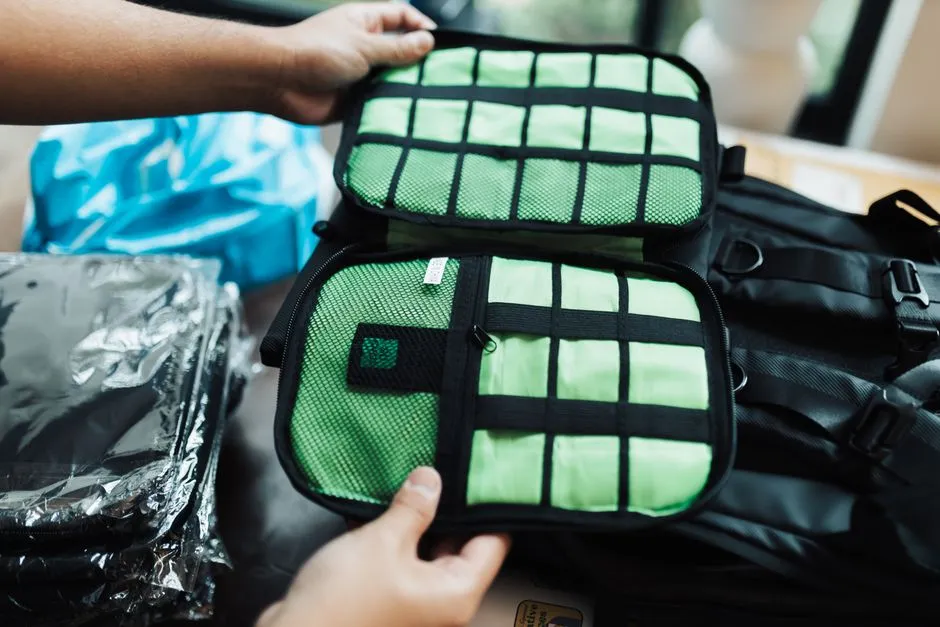
How to Choose the Best Compression Packing Cubes for Travel
Not all compression cubes are created equal. The market is flooded with options ranging from inexpensive multi-packs on discount websites to high-end, engineered travel gear. To find the best compression packing cubes for travel that suit your specific needs, evaluate them against the following criteria.
1. Material Durability and Weight
You want a material that is tough enough to withstand compression but light enough that it does not add unnecessary weight to your luggage. If you are a strict carry-on traveler, pay close attention to the weight of the empty cubes. Look for Silnylon or ultra-lightweight ripstop nylon. These fabrics are semi-translucent, which has the added benefit of letting you see what is inside each cube without opening it. If durability is your absolute top priority and you do not mind a few extra ounces, heavier-duty 210D or 420D nylon cubes offer exceptional puncture and abrasion resistance.
2. Zipper Construction and Hardware
As mentioned, the zipper is the single most common failure point. Examine the product specifications for brand-name zippers, with YKK being the gold standard. Additionally, look for cubes that feature zipper pulls or cord loops. These loops give you extra leverage when pulling the compression zipper closed around tight corners, reducing the strain on your fingers and ensuring a smoother zipping action.
3. Sizing and Configuration
Compression cubes are typically sold in sets of various sizes (small, medium, large) or as individual units. A common mistake is buying a set of massive cubes. A large compression cube, when fully packed and compressed, becomes a heavy, rigid brick that is difficult to fit into the natural curves of a backpack or suitcase. For most travelers, a combination of small and medium cubes is far more versatile.
- Small Cubes (approx. 10" x 7"): Ideal for socks, underwear, swimwear, and lightweight t-shirts.
- Medium Cubes (approx. 14" x 10"): Perfect for lightweight sweaters, pants, shorts, and long-sleeve shirts.
- Large Cubes (approx. 18" x 12"): Best reserved for bulky outerwear, heavy winter gear, or blankets. Use these sparingly, as they can easily dominate an entire carry-on compartment.
4. Structural Features: Structured vs. Frameless Cubes
Some compression cubes feature a small, flexible wire or plastic frame around the perimeter, or are made of highly structured, thick fabrics. These "structured" cubes hold their shape even when empty, making them incredibly easy to pack because the walls do not collapse as you insert clothes. However, they add weight and cannot be rolled or folded away when not in use. Frameless, ultra-lightweight cubes are completely floppy when empty, requiring a bit more patience to pack, but they offer maximum flexibility and add virtually zero weight to your bag.
The Art of Packing: Step-by-Step Compression Guide
Buying the best compression packing cubes for travel is only half the battle; you also need to know how to pack them correctly. If you simply stuff clothes into a compression cube haphazardly, you will end up with an awkward, lumpy shape that creates dead space in your bag, defeats the purpose of compression, and leaves your clothes heavily wrinkled. Follow this systematic approach to maximize your packing efficiency.
Step 1: Choose Your Packing Method (Roll vs. Fold)
The debate between rolling and folding clothes is ongoing, but when it comes to compression cubes, a hybrid approach yields the best results.
The Rolling Method
Rolling is highly effective for soft, synthetic fabrics, t-shirts, activewear, and knits. To roll properly, lay the garment flat, fold any sleeves inward, and roll it tightly from the bottom up into a neat cylinder. When placing rolled items into the cube, pack them tightly side-by-side. This prevents them from unrolling and ensures that you utilize every corner of the cube's footprint.
The Ranger Roll (Military Roll)
For maximum space-saving, the Ranger Roll is a highly secure method. It involves folding a small cuff at the bottom of the garment before rolling, then flipping the cuff back over the rolled item to lock it into a tight, self-contained bundle. This is exceptionally useful for t-shirts and socks, as it prevents them from expanding inside the cube.
The Folding Method
For stiffer fabrics, button-down shirts, chinos, and jeans, folding is often superior to rolling. Fold these items to match the exact length and width of the packing cube. Lay them flat on top of one another in a neat stack. This flat-stacking method ensures that the compression force is distributed evenly across the entire surface of the garments, minimizing deep creases.
Step 2: Load the Cube Strategically
When loading your chosen garments into the cube, pay close attention to the corners. Because compression zippers run around the perimeter, the edges of the cube will experience the most squeeze. Place softer, more malleable items (like socks or underwear) into the corners of the cube first. This fills out the structure and prevents the cube from pulling inward into an oval shape when compressed.
Step 3: Close the Inner Zipper
Once your clothes are arranged, zip the main opening shut. At this point, the cube should look full but not bulging to the point where the seams are visibly straining. If you have to sit on the cube just to close the primary zipper, you have overpacked it, and you will likely damage the compression zipper in the next step.
Step 4: Execute the Compression
To compress the cube safely without snagging the fabric or breaking the zipper, follow this physical technique:
- Slide one finger behind the compression zipper track as you pull the slider. This acts as a shield, preventing the inner fabric or loose clothing threads from getting caught in the zipper teeth.
- Use your other hand to press down firmly on the center of the cube, flattening it as you zip. This relieves the outward pressure on the zipper track, allowing the slider to glide smoothly.
- Zip slowly around the corners. The corners are where the tension is highest; take your time to guide the zipper around these bends without forcing it.
When Are Compression Cubes Actually Worth It?
While compression packing cubes are a fantastic tool, they are not a universal necessity for every single trip. Understanding when they provide the most value helps you decide if they are worth adding to your travel kit.
The Ideal Scenarios
Compression cubes are highly beneficial in the following travel situations:
- Cold-Weather Travel: Winter clothing is inherently bulky. Sweaters, thermals, scarves, and wool socks contain a massive amount of trapped air. Compression cubes excel here, flattening these items down so you can travel to cold destinations without needing giant suitcases.
- Multi-Destination Trips: If you are moving between different hotels, hostels, or cities every few days, compression cubes keep your gear organized and compact, making it incredibly easy to repack your bag in minutes.
- Strict Carry-On Restrictions: Many European, Asian, and budget domestic airlines enforce strict size and weight limits for carry-on baggage. Compression cubes allow you to fit a week's worth of clothing into a bag that fits easily under the seat or in the overhead compartment, saving you expensive checked-bag fees.
- Backpacking and Hiking: When using a top-loading wilderness backpack, keeping your gear organized in dense, water-resistant bricks makes packing and balancing your load significantly easier.
When You Might Want to Skip Them
Conversely, there are times when standard packing cubes or no cubes at all might be the better choice:
- Business Travel: If your wardrobe consists of pressed linen suits, formal button-downs, and delicate dresses, the intense pressure of compression cubes will press deep wrinkles into the fabric, requiring extensive ironing or steaming upon arrival.
- Heavy, Structured Items: Jeans, heavy denim jackets, leather goods, and structured shoes do not contain trapped air. Attempting to compress these items is futile; they will not shrink, and you will only put unnecessary strain on the cube's zippers.
- Strict Airline Weight Limits: This is a critical nuance. While compression cubes solve the problem of volume, they do not reduce weight. In fact, because they allow you to fit more clothes into a smaller space, they make it very easy to accidentally exceed airline weight limits. If your airline has a strict 7kg (15 lbs) carry-on limit, compressing more items into your bag can result in a suitcase that fits the size template but fails the weight check at the gate.
To manage this risk effectively, it is highly beneficial to use an automated digital tool that tracks your packing list against specific airline weight and size regulations. This ensures that while you are maximizing your physical space with compression cubes, you are not inadvertently setting yourself up for a forced gate-check and a hefty fine.
NEW — AI Snap & Check: photograph your packed bag and OneBag's AI instantly ticks off your items and warns you about missing essentials (passport, wallet, charger). Plus smart carry-on lists for your exact trip and bag-weight tracking for 80+ airlines — so you never forget a thing or pay an overweight fee.
Common Mistakes to Avoid When Using Compression Cubes
Using compression cubes seems straightforward, but several common packing errors can ruin your clothes, damage your gear, or make your travel experience more stressful. Avoid these frequent pitfalls to get the most out of your investment.
- Overpacking the Cubes: This is the single most common mistake. Packing too many clothes into a single cube turns it into a hard, rounded, sausage-like shape. Not only does this strain the zippers to the point of breaking, but it also creates rounded edges that leave empty, unusable triangular gaps in the corners of your suitcase. Pack the cube until it is full but flat, ensuring it compresses into a neat, stackable brick.
- Ignoring the Weight of Your Bag: Because compression cubes make it easy to pack 40% more clothing, travelers often load up their bags with extra items they do not actually need. A compact bag can easily weigh 25 or 30 pounds, catching you off guard at the airport check-in counter. Always lift your packed bag to gauge its weight, or use a luggage scale before heading to the airport.
- Snagging Fabric in the Zippers: When zipping the compression track, the lightweight, thin fabric of the cube or the loose threads of your clothes can easily get caught in the teeth. Forcing a stuck zipper will tear the fabric or break the zipper slider. Always run your finger inside the track just ahead of the zipper to push the fabric away from the teeth.
- Using Cubes That Are Too Large: A single, giant compression cube that spans the entire width of your carry-on is incredibly difficult to pack and compress. It also eliminates the organizational benefit of having separate compartments for different types of clothing. Opt for a system of multiple small and medium cubes instead.
- Compressing Everything: Do not put delicate, wrinkle-prone, or highly structured items into compression cubes. Keep your formalwear, blazers, and delicate silks in a garment bag or laid flat on top of your compressed cubes at the very end of your packing process.
Frequently Asked Questions
Do compression packing cubes actually save space?
Yes, compression packing cubes genuinely save space, typically reducing the physical volume of your clothing by 30% to 40%. They achieve this by using a secondary perimeter zipper that mechanically compresses the air out of your garments. However, they only save space on items that contain trapped air, such as sweaters, t-shirts, socks, down jackets, and underwear. They will not reduce the volume of rigid, dense items like jeans, shoes, or books.
Do compression cubes wrinkle your clothes more than regular cubes?
Yes, compression cubes can cause more wrinkling than standard packing cubes due to the intense pressure applied to the compressed garments. To minimize wrinkles, fold your clothes flat and stack them neatly rather than rolling them haphazardly. Additionally, choosing synthetic, wrinkle-resistant fabrics (such as merino wool, polyester, or nylon blends) and unpacking your cubes as soon as you arrive at your destination will help keep your clothes looking fresh.
What is the difference between vacuum bags and compression cubes?
Vacuum bags require a pump, vacuum cleaner, or manual rolling to extract air through a one-way valve, offering extreme compression (up to 70% volume reduction). However, they are made of thick plastic that can crinkle loudly, puncture easily, and leave clothes severely wrinkled. Compression cubes use heavy-duty zippers and breathable fabric, providing moderate compression (30-40%) while remaining highly durable, reusable, and much easier to pack and unpack throughout a multi-stop trip without needing any external tools.
Are compression packing cubes waterproof?
Most compression packing cubes are water-resistant but not fully waterproof. They are typically made from nylon or polyester with a water-repellent coating (like DWR or polyurethane), which protects your clothes from minor spills, damp swimsuits, or light rain. However, because they feature stitched seams and standard zipper tracks, water can still seep through if the cubes are completely submerged or exposed to heavy, prolonged rain. If you need absolute waterproofing, look for specialized dry-bag style compression sacks with roll-top closures.
Can I wash my compression packing cubes?
Yes, but you should avoid putting them in a washing machine or dryer, as the agitation and high heat can damage the technical fabrics, water-resistant coatings, and zipper mechanisms. The best way to clean compression cubes is to hand wash them in warm water using a mild soap, gently wiping away dirt with a soft cloth or sponge. Once clean, hang them up to air dry completely in a well-ventilated area before storing them away for your next trip.
Do compression cubes damage zippers or seams over time?
If you buy high-quality cubes with durable fabrics (like ripstop nylon) and premium zippers (like YKK), they are designed to withstand the high tension of compression for years. However, if you consistently overstuff the cubes to the point where you must violently force the zipper shut, you will eventually strip the teeth or tear the stitching at the seams. Proper packing techniques and gentle zipper handling are key to ensuring the longevity of your compression cubes.
The Verdict: A Must-Have for Minimalist Travelers
For travelers who value efficiency, speed, and traveling light, the best compression packing cubes for travel are an indispensable tool. They allow you to bypass the luggage carousel, avoid baggage fees, and keep your belongings meticulously organized throughout your journey. By choosing high-quality materials, utilizing smart packing techniques, and keeping a close eye on your total luggage weight, you can master the art of carry-on travel and focus on the journey ahead.

Independent Full Stack Developer · Founder of Tabserve
Aycan builds and maintains Tabserve's apps — OneBag, Routevia and RentFlow — and writes practical, tested guides to help you pack smarter and travel better.