Things to Bring on a Road Trip: The Ultimate Guide
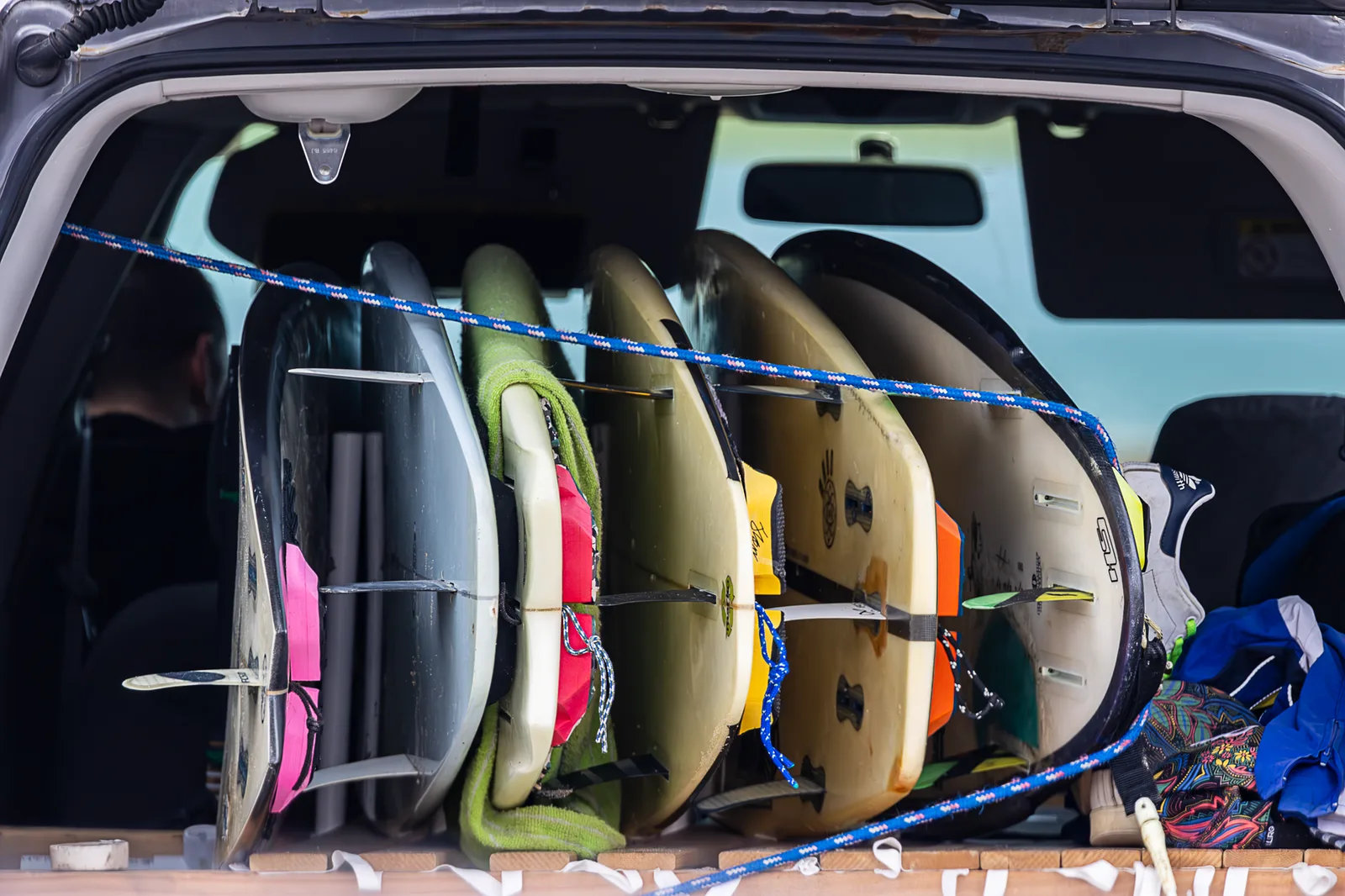
Preparing for a long drive requires balancing safety, comfort, and smart space management. This comprehensive guide details the essential gear, organization systems, and emergency tools you need for a seamless journey. Learn how to pack efficiently, keep passengers entertained, and prevent common roadside mishaps before you turn the ignition key.
A successful road trip relies on the delicate balance of preparation and flexibility. While the open road promises freedom, a lack of preparation can quickly turn an adventure into a series of stressful logistical hurdles. Knowing the exact things to bring on a road trip ensures that you can handle mechanical hiccups, sudden weather shifts, and long stretches of highway without constant detours to convenience stores.
Packing a vehicle is fundamentally different from packing a suitcase for air travel. Instead of worrying about strict airline weight limits, your primary constraints are physical volume, accessibility, and weight distribution. Distributing weight evenly keeps your vehicle stable, preserves fuel efficiency, and ensures that critical safety gear remains accessible in an emergency. This guide breaks down every category of road trip preparation to help you build a highly functional packing system.
Contents
- Key Takeaways
- The Core Categories of Road Trip Packing
- Car Organization and Space Management
- Safety and Emergency Roadside Gear
- Comfort and Climate Control
- Food, Hydration, and Smart Snacking
- Electronics, Power, and Entertainment
- Hygiene and Cleanliness on the Go
- Sample Road Trip Checklists
- Common Mistakes to Avoid
- Frequently Asked Questions
Key Takeaways
- Prioritize safety by keeping a physical, updated emergency kit in an accessible spot rather than buried under heavy luggage.
- Implement a zoned packing system to separate driving essentials, daily items, and overnight bags.
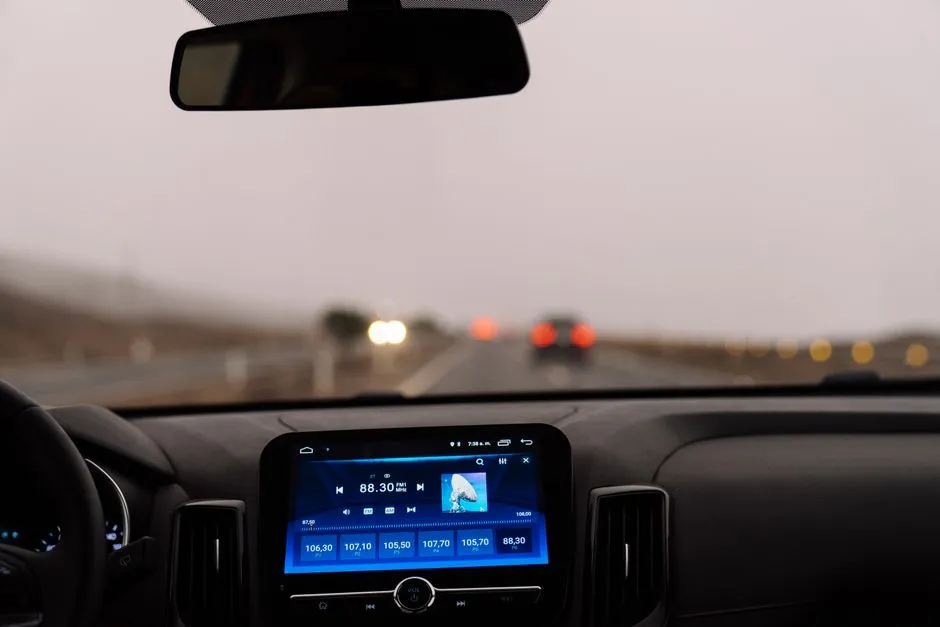
- Keep digital and physical navigation backups to ensure you never lose your route in cellular dead zones.
The Core Categories of Road Trip Packing
To avoid clutter and make unpacking simple, categorize your items before they go into the vehicle. A chaotic trunk leads to wasted time at every rest stop. Divide your gear into five distinct groups: documentation and navigation, vehicle maintenance and safety, comfort and climate control, food and hydration, and entertainment. By treating these as independent systems, you can assign specific zones in your car for each category, making items easy to locate when you are parked on a dark shoulder or searching for a quick snack on the highway.
Documentation and Navigation Essentials
Before packing any physical comfort items, ensure your legal and administrative paperwork is in order. Keep these items in your glove compartment or a secure console organizer where they can be retrieved instantly. Do not rely entirely on your smartphone for registration or insurance verification, as dead batteries or cracked screens can complicate simple roadside stops.
- Physical Driver's License and ID: Ensure your license is valid and will not expire during your trip. If you plan to cross international borders, verify passport requirements and keep them in a waterproof document sleeve.
- Vehicle Registration and Proof of Insurance: Keep printed, current copies in an easily accessible folder. Verify that your insurance policy covers roadside assistance and out-of-state towing if necessary.
- Physical Road Atlas: Cellular networks can fail in remote areas, mountainous regions, or deep valleys. A physical map, such as the classic Rand McNally Road Atlas, provides a reliable backup that requires no battery power or satellite connection.
- Offline Digital Maps: Download Google Maps or Apple Maps data for your entire route prior to departure. This allows your phone to navigate via GPS even when you have zero cellular reception.
Car Organization and Space Management
An unorganized car quickly becomes a source of frustration. Loose items can roll under pedals, fly forward during sudden braking, or simply get lost in the crevices of the seats. Utilizing dedicated storage solutions keeps your cabin clean and ensures that every passenger has easy access to their personal belongings.
The Zoned Packing Method
The secret to stress-free car packing is the zoned method. Divide your vehicle into three zones based on how frequently you need to access specific items:
- Zone 1 (Driver & Passenger Reach): This includes the glove box, center console, and front door pockets. Only place high-frequency items here: sunglasses, toll transponders, hand sanitizer, charging cables, and immediate snacks.
- Zone 2 (Back Seat & Footwells): This area is for mid-frequency items. Place a small cooler, trash bin, daypacks, and extra layers of clothing here. Keep the footwells clear of loose items that could slide forward under the driver's feet.
- Zone 3 (Trunk or Cargo Area): This is reserved for low-frequency items. Heavy suitcases, overnight bags, camping gear, and your vehicle emergency kit belong here. Pack the heaviest items flat against the floor and as far forward as possible to maintain a low center of gravity.
Storage Solutions Comparison
To help you choose the right organizational tools for your vehicle, compare these common storage options:
| Storage Option | Primary Use Case | Accessibility Level | Best For |
|---|---|---|---|
| Trunk Organizer | Collapsible bins with dividers for cargo areas | Low (requires stopping) | Emergency tools, extra fluids, sports gear |
| Seatback Organizer | Hanging pockets attached to the headrest | High (for rear passengers) | Kids' toys, tablets, water bottles, wet wipes |
| Center Console Tray | Drop-in dividers for the armrest compartment | High (for driver) | Coins, charging cords, lip balm, pens |
| Soft-Sided Duffel Bags | Flexible luggage for irregular trunk spaces | Medium | Clothing, extra blankets, shoes |
Safety and Emergency Roadside Gear
No list of things to bring on a road trip is complete without a dedicated safety kit. Mechanical failures, flat tires, and unexpected weather changes can happen at any time. Being self-sufficient for the first hour of a roadside incident can prevent minor delays from turning into dangerous situations.
The Essential Roadside Toolkit
Do not assume your car's factory tool kit is sufficient. Most vehicles only include a basic scissor jack and a lug wrench. Supplement these with a dedicated tool bag containing high-quality equipment:
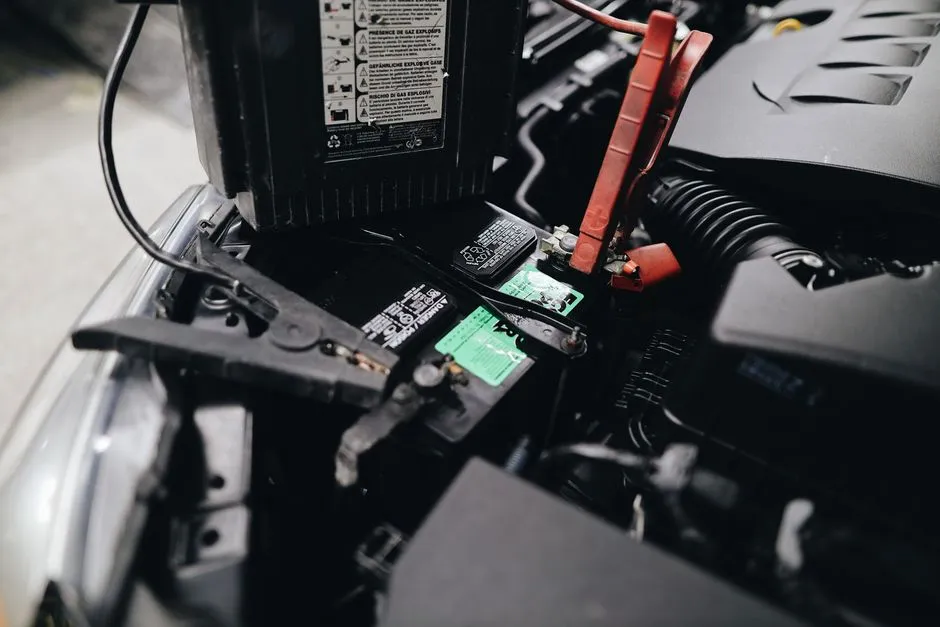
- Heavy-Duty Jumper Cables or Portable Jump Starter: A portable lithium-ion jump starter is highly recommended. It allows you to jump-start your own vehicle without waiting for a helper car. Ensure it is fully charged before you leave.
- Tire Pressure Gauge and Portable Air Compressor: Fluctuations in temperature can cause tire pressure to drop. A 12V portable compressor that plugs into your car's accessory outlet allows you to top off your tires anywhere.
- Reflective Warning Triangles or LED Flares: If you must pull over on a narrow shoulder, place these 100 feet behind your vehicle to alert oncoming traffic.
- Basic Hand Tools: Keep a multi-bit screwdriver, adjustable wrench, slip-joint pliers, and utility knife handy for quick fixes.
- Work Gloves and Flashlight: Changing a tire in the dark is incredibly difficult without a hands-free light source. Pack a high-lumen headlamp and a pair of durable work gloves to protect your hands from hot engine components and road grime.
First Aid and Personal Safety
Your physical well-being is just as important as your vehicle's mechanical health. Store a comprehensive first aid kit in the cabin of the car, not buried under heavy luggage in the trunk.
Building a Comprehensive First Aid Kit
A standard first aid kit should be customized for road trips. Ensure it contains adhesive bandages of various sizes, sterile gauze pads, antiseptic wipes, medical tape, tweezers, scissors, and a digital thermometer. Additionally, pack a supply of over-the-counter medications: pain relievers (ibuprofen or acetaminophen), antihistamines for sudden allergic reactions, motion sickness tablets, and anti-diarrheal medication. If any passenger requires prescription medication, pack an extra seven-day supply beyond your planned return date to account for unexpected delays.
Comfort and Climate Control
Spending six to ten hours in a car seat can take a physical toll on your body. Proper climate control, supportive seating posture, and personal comfort items prevent fatigue, allowing the driver to stay alert and passengers to remain relaxed.
Ergonomic Support and Seating comfort
Car seats are designed for average body types, which means they rarely provide perfect support for everyone over long distances. Consider adding external support to prevent lower back pain and neck stiffness:
- Lumbar Support Pillow: A memory foam lumbar roll helps maintain the natural curve of your spine, reducing lower back strain during long driving stints.
- Neck Pillow: For passengers looking to sleep, a supportive neck pillow prevents head slumping and subsequent muscle strain.
- Seat Cushions: If your vehicle's seats are firm, a gel-infused memory foam seat cushion can distribute weight more evenly and reduce pressure points.
Temperature Management and Sun Protection
The greenhouse effect can quickly heat up a car interior, even on cool, sunny days. Conversely, driving through mountain passes can cause temperatures to drop rapidly.
- UV Window Shades: Mesh shades for the rear side windows protect passengers, especially children and pets, from direct sunlight and heat buildup.
- Polarized Sunglasses: A high-quality pair of polarized sunglasses reduces road glare, minimizes eye strain, and improves visibility in bright conditions.
- Packable Blankets and Layers: Passengers often have different temperature preferences. Instead of constantly adjusting the vehicle's climate control, keep lightweight fleece blankets and easily removable layers (like zip-up hoodies) within arm's reach in the cabin.
NEW — AI Snap & Check: photograph your packed bag and OneBag's AI instantly ticks off your items and warns you about missing essentials (passport, wallet, charger). Plus smart carry-on lists for your exact trip and bag-weight tracking for 80+ airlines — so you never forget a thing or pay an overweight fee.
Food, Hydration, and Smart Snacking
Relying solely on fast food drive-thrus and gas station snacks leads to sluggishness, dehydration, and irritability. Packing your own food saves money, allows you to maintain a healthier diet, and minimizes the need for frequent stops.
Hydration Strategy
Dehydration is a leading cause of driver fatigue and headaches. Keep a reliable supply of fresh water in the vehicle at all times. As a rule of thumb, carry at least one gallon of emergency water per person, plus individual reusable water bottles for daily consumption. Avoid keeping single-use plastic bottles in a hot car for extended periods, as heat can cause chemicals to leach into the water.
Choosing the Right Road Trip Snacks
The ideal road trip snacks are high in protein and complex carbohydrates, low in refined sugar, and easy to eat with one hand without making a mess. Avoid crumbly crackers, sticky candies, or foods that melt easily in a warm cabin.
- Nuts and Seeds: Almonds, walnuts, and pumpkin seeds provide healthy fats and sustained energy without a sugar crash.
- Fresh, Durable Fruits: Apples, grapes, and oranges are excellent choices. They hold up well in a cooler and provide natural hydration. Avoid soft fruits like bananas or peaches, which bruise easily and spoil quickly.
- Jerky and Meat Sticks: Beef, turkey, or mushroom jerky offers a high-protein, savory option that requires no refrigeration.
- Pre-Portioned Veggies: Baby carrots, celery sticks, and sugar snap peas provide a satisfying crunch and are easy to eat while driving. Pack them in a small cooler with hummus or guacamole cups.
Electronics, Power, and Entertainment
Modern road trips rely heavily on electronics for navigation, communication, and entertainment. Keeping your devices charged and your passengers occupied requires a deliberate power management strategy.
Power Distribution in the Vehicle
Do not rely on a single USB port in your dashboard to charge everyone's devices. Older USB ports often output low wattage, which may not charge a phone that is actively running a GPS navigation app.
- Multi-Port USB Car Charger: Plug a high-output (PD or Power Delivery) charger into your vehicle's 12V accessory outlet. Look for models with multiple ports so both front and rear passengers can charge their devices simultaneously.
- High-Quality Charging Cables: Pack extra-long cables (6 to 10 feet) so passengers in the back seat can comfortably use their devices while they charge.
- Portable Power Bank: Keep a fully charged 10,000mAh or 20,000mAh power bank in the cabin. This is incredibly useful when you turn off the car engine but still need to charge devices, or when you leave the vehicle for a hike or picnic.
Audio and Entertainment Curation
Radio signals fade quickly as you cross county and state lines. Prepare your entertainment options before you pull out of the driveway to avoid distracted driving later on.
Curating Your Audio Playlist
Download a mix of high-energy music playlists, long-form podcasts, and audiobooks. Audiobooks are particularly effective for long night drives, as the narrative structure keeps the driver's brain actively engaged. Choose engaging genres like mystery, biography, or historical non-fiction. If traveling with family, look for family-friendly podcasts or trivia shows that encourage participation from all passengers.
Hygiene and Cleanliness on the Go
A small space occupied by multiple people for several days can quickly collect dust, crumbs, and odors. Maintaining cleanliness is essential for mental comfort and overall hygiene during a long journey.
The Cabin Cleanup Kit
Assemble a small, durable bag dedicated exclusively to cleaning supplies and personal hygiene. Keep this under the front passenger seat for quick access:
- Wet Wipes and Hand Sanitizer: Essential for cleaning sticky hands after snacks, wiping down dirty surfaces, or freshening up when running water is unavailable.
- Heavy-Duty Trash Bags: Avoid using small grocery bags, which tear easily and spill contents. Use small, durable silicone trash cans or small drawstring trash bags designed for cars. Empty them at every fuel stop.
- Paper Towels and Microfiber Cloths: Useful for cleaning up accidental spills on upholstery or wiping condensation off the inside of the windows.
- Tissues and Toilet Paper: Many highway rest stops or remote vault toilets run out of paper. Keep a spare roll of toilet paper in a plastic zip-top bag to keep it clean and dry.
Sample Road Trip Checklists
Use these structured checklists to ensure you do not leave any critical items behind. Customize these lists based on your specific destination, weather conditions, and passenger needs.
The Ultimate Pre-Departure Checklist
- [ ] Check tire tread depth and inflate all tires (including the spare) to the recommended PSI.
- [ ] Check engine oil, windshield washer fluid, coolant, and brake fluid levels.
- [ ] Inspect windshield wipers and replace them if they leave streaks.
- [ ] Confirm that your vehicle registration and insurance cards are current and in the glove box.
- [ ] Download offline maps for your entire planned route.
- [ ] Pack the vehicle emergency kit in an accessible location.
- [ ] Clean the inside of the windshield to prevent night glare.
- [ ] Notify a friend or family member of your planned route and estimated arrival time.
Daily Cabin Maintenance Checklist
- [ ] Empty all trash bags at the end of the day or during fuel stops.
- [ ] Wipe down high-touch surfaces (steering wheel, gear shifter, door handles) with disinfectant wipes.
- [ ] Replenish the accessible snack basket from the main cooler or trunk storage.
- [ ] Reheat or replenish ice in the cooler and drain any melted water.
- [ ] Plug in portable power banks to recharge overnight if staying at a hotel.
Common Mistakes to Avoid
Even experienced road trippers can fall into common traps that lead to discomfort, mechanical issues, or avoidable delays. Review these mistakes to ensure a smoother journey:
- Overpacking the Cabin: Piling luggage, loose shoes, and jackets around passengers' feet reduces legroom and increases physical fatigue. Keep the cabin minimal; store everything else in the trunk or a roof box.
- Neglecting the Spare Tire: Many drivers forget to check the air pressure in their spare tire. A flat spare tire is completely useless when you experience a blowout on the highway.
- Relying Solely on Digital Payments: While credit cards and mobile wallets are widely accepted, remote areas, small-town toll roads, and state park parking meters often require physical cash or coins. Always keep $50 in small bills and a handful of quarters hidden in your vehicle.
- Ignoring Fuel Levels in Remote Areas: Waiting until your fuel light comes on to look for a gas station is a risky strategy in rural areas. Adopt the "quarter-tank rule": start looking for fuel as soon as your gauge drops to one-quarter full.
- Failing to Pack for the Worst Weather: Even if you are driving to a warm destination, your route may take you through cold mountain passes or sudden downpours. Always pack a waterproof rain jacket and a warm layer for every passenger.
Frequently Asked Questions
What are the most important safety items to keep in my car?
The most critical safety items are a high-quality spare tire with a functional jack and lug wrench, a portable jump starter, a tire pressure gauge with a 12V air compressor, a first aid kit, reflective warning triangles, and a bright headlamp. These items allow you to handle basic mechanical issues and minor injuries without waiting hours for roadside assistance.
How can I keep my kids entertained on a long road trip?
To keep children engaged, combine digital entertainment with screen-free activities. Pack seatback organizers filled with coloring books, travel-sized board games, magnetic puzzles, and interactive books. Schedule regular stops at parks or rest areas every two to three hours to let them run around and burn off energy.
How do I pack a cooler so food stays fresh?
To maximize your cooler's efficiency, pre-chill it with ice block or cold water before packing. Place block ice or frozen water bottles at the bottom, as they melt much slower than cubed ice. Pack your food in watertight containers to prevent soggy sandwiches, and place the most perishable items (like meat and dairy) directly on top of the ice. Fill any remaining empty space with cubed ice, as air pockets cause ice to melt faster.
What should I do if my car breaks down in an area with no cell service?
If your vehicle breaks down in a dead zone, pull completely off the road onto a flat, safe shoulder. Turn on your hazard lights immediately. If you have a physical road atlas, pinpoint your last known location. Stay with your vehicle; it provides shelter and is much easier for emergency services to spot than a walking pedestrian. If you must signal for help, place warning triangles behind your car and raise your vehicle's hood to signal to passing motorists that you need assistance.
How often should I take breaks while driving?
To maintain focus and prevent physical strain, plan to stop every two hours or every 100 to 120 miles. Use these breaks to step out of the vehicle, stretch your legs, hydrate, and use the restroom. Even a brief five-minute walk significantly improves circulation and mental alertness, reducing the risk of highway hypnosis.
Is it safe to sleep in my car during a road trip?
Yes, but you must choose your location carefully. Avoid sleeping on highway shoulders or in unauthorized private parking lots. Instead, look for designated overnight spots such as well-lit highway rest areas, truck stops (like Love's or Pilot), or specific retail parking lots that permit overnight stays (such as select Walmart locations). Always lock your doors, keep your keys within reach, and crack the windows slightly for ventilation.
Preparing a thoughtful packing system is the key to an enjoyable and safe journey. By organizing your vehicle into logical zones, securing essential safety gear, and packing smart comfort items, you can focus on the journey ahead rather than managing chaos inside the cabin. Take the time to audit your gear before you leave, check your vehicle's fluids, and embark on your next adventure with complete peace of mind.

Independent Full Stack Developer · Founder of Tabserve
Aycan builds and maintains Tabserve's apps — OneBag, Routevia and RentFlow — and writes practical, tested guides to help you pack smarter and travel better.