Is It OK to Travel to Turkey? A Safety Guide
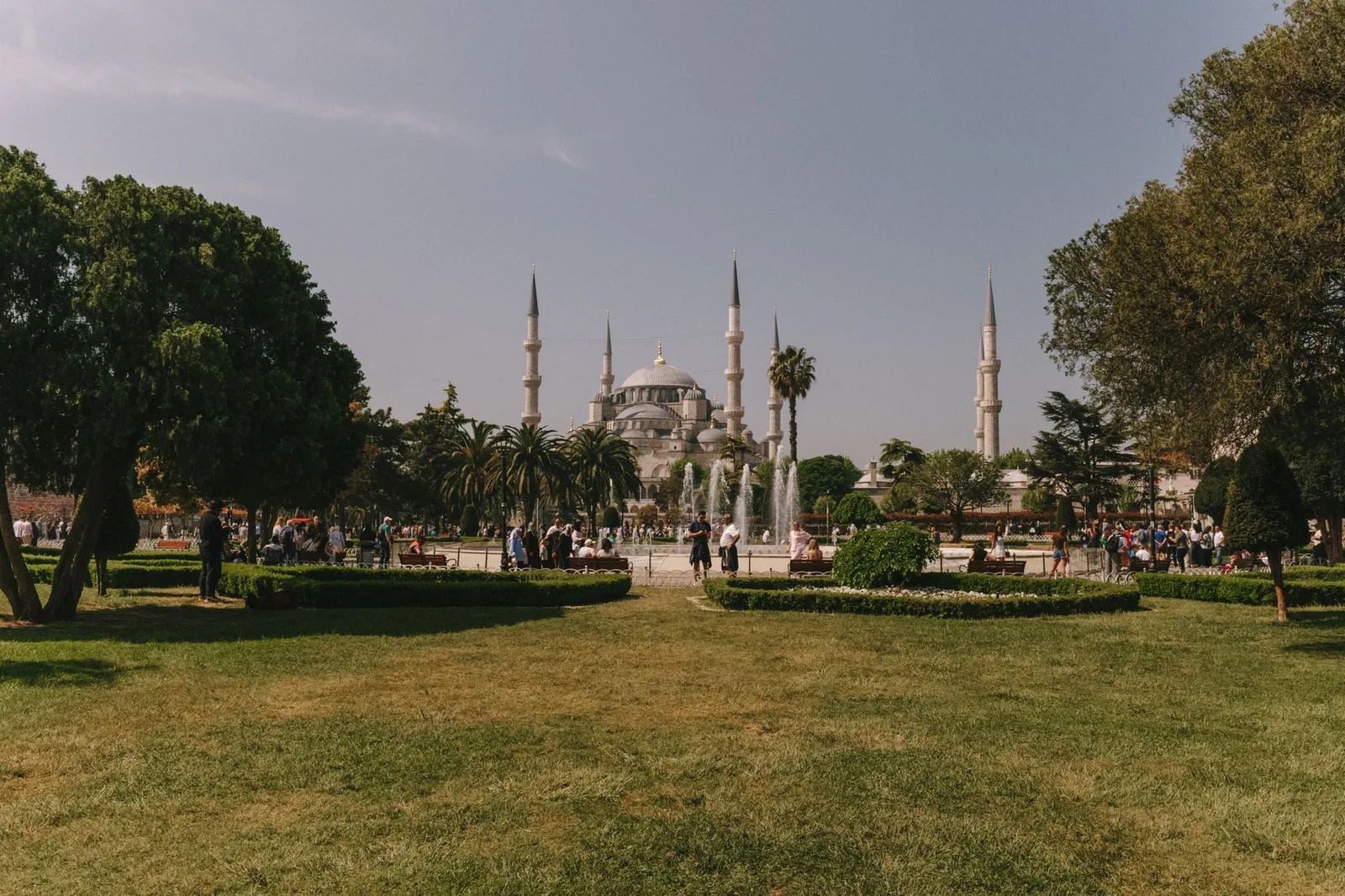
Yes, it is generally safe and highly rewarding to travel to Turkey, provided you follow standard international travel precautions. Major tourist hubs like Istanbul, Cappadocia, Antalya, and Bodrum remain stable, welcoming millions of international visitors annually. However, travelers must avoid areas near the Syrian and Iraqi borders and stay informed about local demonstrations and petty crime in crowded urban centers.
With its unique geographical position bridging Europe and Asia, Turkey remains one of the world's most alluring travel destinations. From the ancient architecture of Istanbul to the surreal landscapes of Cappadocia and the pristine beaches of the Aegean coast, the country offers unparalleled cultural and historical depth. Yet, geopolitical events, economic fluctuations, and regional news often leave prospective travelers asking a critical question: is it ok to travel to turkey right now?
Understanding the actual safety landscape of Turkey requires moving past sensationalized headlines and looking at verifiable data, official government travel advisories, and the practical realities on the ground. This comprehensive guide provides an objective, detail-rich analysis of safety, regional variations, transportation logistics, cultural norms, and financial security to help you make an informed decision and plan a seamless journey.
Contents
- Key Takeaways
- Current Government Travel Advisories for Turkey
- Regional Safety Breakdown: Where to Go and Where to Avoid
- Common Scams and Petty Crime in Turkey
- Transportation and Navigating Turkey Safely
- A Comparison of Popular Turkish Destinations
- Sample Itineraries
- Best Photo and Sunset Spots
- Cultural Etiquette and Local Laws
- Health and Medical Safety in Turkey
- Common Mistakes to Avoid
- Frequently Asked Questions
- Conclusion
Key Takeaways
- Major tourist regions (Istanbul, Cappadocia, the Turkish Riviera) are highly secure with a heavy, visible police presence.
- Government advisories consistently warn against traveling within 10 kilometers of the Syrian and Iraqi borders.
- Petty theft, taxi scams, and credit card skimming represent the most common safety issues facing tourists in major cities.
- Utilizing modern digital tools, route planners, and official transport apps dramatically reduces logistical stress and transit risks.
Current Government Travel Advisories for Turkey
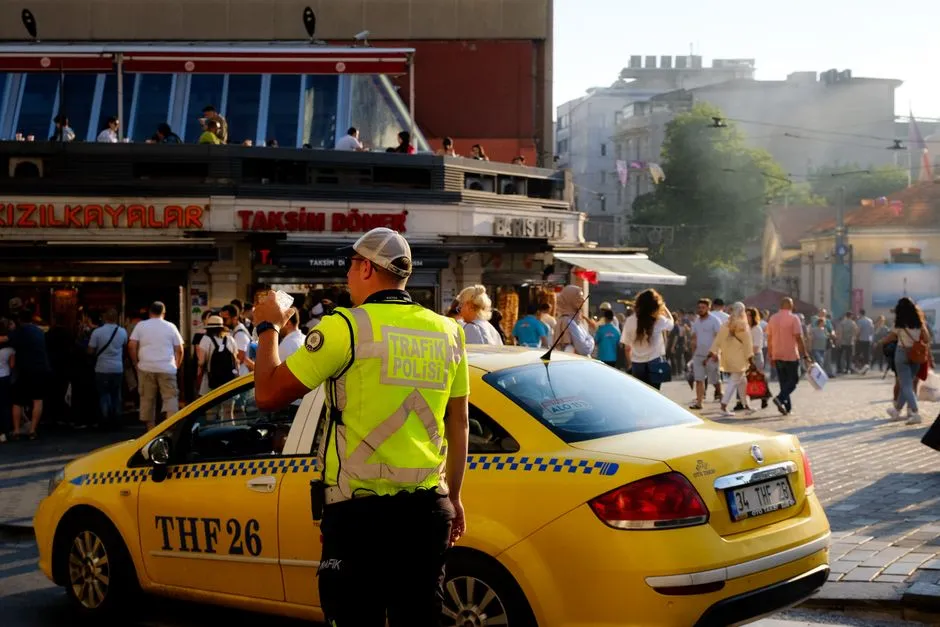
When assessing whether is it ok to travel to turkey, your first point of reference should be official government travel advisories. Major international bodies, including the United States Department of State, the British Foreign, Commonwealth & Development Office (FCDO), and the Australian Department of Foreign Affairs and Trade (DFAT), maintain updated assessments of the country.
These agencies generally categorize Turkey under a standard level-two warning ("Exercise Increased Caution"), which is the same rating applied to other highly popular European destinations like France, Germany, and the United Kingdom. The primary reasons cited for this caution are the threat of terrorism and regional instability near the southern borders.
Crucially, these advisories make a sharp distinction between different regions of the country. While they strongly advise against all travel to the immediate border areas with Syria and Iraq due to ongoing conflict, they do not restrict travel to major tourist destinations. Cities like Istanbul, Ankara, Izmir, and Antalya, as well as the entire Aegean and Mediterranean coastal strips, are located hundreds of miles away from these border zones and operate under normal, peaceful conditions.
Regional Safety Breakdown: Where to Go and Where to Avoid
Turkey is a vast nation covering over 780,000 square kilometers. Safety conditions are not uniform across the country. To plan a secure trip, you must understand the safety profile of specific regions.
Istanbul: The Cultural Epicenter
As Turkey’s largest city and primary tourist gateway, Istanbul welcomes over 15 million international visitors annually. The city is highly secure, with a massive security infrastructure that includes security checkpoints at the entrances of malls, metro stations, museums, and historical sites. However, because of its dense population and high tourist volume, visitors must remain vigilant against petty crime.
Areas like Sultanahmet, Eminonu, and Taksim Square are heavily policed both by uniform officers and plainclothes tourist police. While violent crime is exceptionally rare, pickpocketing and sophisticated tourist scams are prevalent in these high-traffic zones. It is entirely safe to explore Istanbul, provided you maintain situational awareness and secure your personal belongings.
The Turkish Riviera and Aegean Coast
The coastal provinces of Antalya, Mugla (home to Bodrum, Marmaris, and Fethiye), and Izmir are among the safest regions in the country. These areas rely heavily on tourism, and local municipalities prioritize visitor security. The atmosphere here is relaxed, and the risk of both major security incidents and petty crime is significantly lower than in Istanbul. Traveling solo, as a couple, or with a family is highly secure throughout these coastal resort towns.
Central Anatolia and Cappadocia
Cappadocia, famous for its fairy chimneys and hot air balloon flights, is an exceptionally safe, rural tourist enclave. The local community is deeply involved in hospitality, and crime rates are negligible. The main safety considerations here are not related to security, but rather to outdoor activities, such as choosing reputable, licensed balloon operators and wearing appropriate footwear when hiking through the sandy, uneven valleys.
Southeastern Turkey and Border Zones
This is the region where strict caution is required. While cities like Gaziantep, Sanliurfa, and Mardin boast rich archaeological heritage and have historically been safe for tourists, their proximity to the Syrian border means they require careful monitoring. Government advisories explicitly warn against traveling to areas within 10 kilometers of the Syrian and Iraqi borders, as well as specific southeastern provinces such as Sirnak and Hakkari. For the vast majority of leisure travelers, it is best to exclude these border provinces from their itineraries.
Common Scams and Petty Crime in Turkey
While physical safety is highly assured in Turkey's tourist centers, financial safety requires constant vigilance. Petty crime and opportunistic scams are the most frequent issues encountered by foreign visitors.
The Notorious Taxi Scams
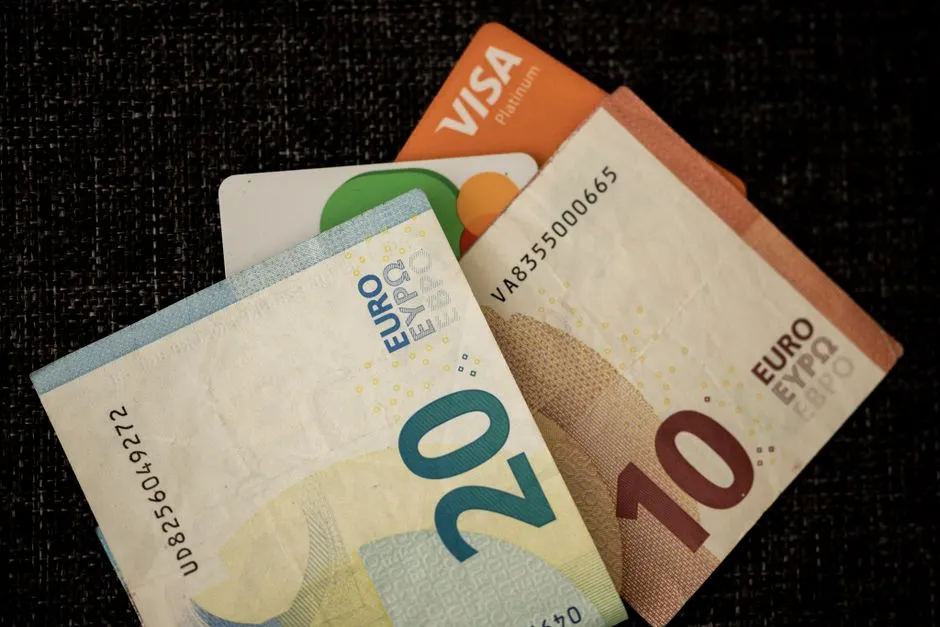
Taxi scams are a persistent issue in Istanbul. Common tactics include claiming the taximeter is broken to demand an inflated flat rate, taking unnecessarily long routes, or performing a sleight of hand with banknotes (e.g., swapping a 500 lira note for a 50 lira note and claiming you underpaid).
To avoid these situations, always insist on using the taximeter (called "taksimetre" in Turkish). Alternatively, use ride-hailing applications like BiTaksi or Uber to secure a pre-calculated fare and keep a digital record of your journey. When paying with cash, call out the denomination of the bill as you hand it to the driver to prevent any disputes.
The "Let's Have a Drink" Scam
This scam primarily targets solo male travelers walking in areas like Istiklal Street, Taksim, or Sultanahmet. A friendly local will strike up a conversation, recommend a nearby bar, and invite you to join them for a drink. After a few drinks and casual conversation, you are presented with an astronomical bill running into thousands of dollars. If you refuse to pay, intimidating security staff will escort you to an ATM. Never accompany strangers to bars or clubs that they suggest out of the blue.
The Shoe-Shine Trick
A classic, low-tech scam in Istanbul involves a shoe-shiner walking past you and "accidentally" dropping their brush. When you pick it up and return it to them, they will express intense gratitude and insist on giving you a free shoe shine. Once they finish, they will demand a high fee, claiming the "free" offer was misunderstood. If someone drops a brush, simply walk past or call out to them without stopping to pick it up.
Transportation and Navigating Turkey Safely
Turkey possesses a highly developed, modern transportation network, making domestic travel efficient and safe. However, choosing the right mode of transport and understanding local driving dynamics is crucial.
Domestic Flights
For long distances, such as traveling from Istanbul to Cappadocia or Antalya, domestic flights are the safest, fastest, and often most economical option. Flag carrier Turkish Airlines and budget operators like Pegasus Airlines run modern fleets with impeccable safety records. Airports across Turkey enforce strict double-security screening (once at the main building entrance and again before the departure gates), making them incredibly secure environments.
Intercity Buses
Turkey’s intercity bus network is legendary for its comfort and safety. Companies like Metro Turizm, Pamukkale, and Kamil Koc operate modern coaches equipped with individual entertainment screens, Wi-Fi, and complimentary snack services. Drivers are professional, and vehicles are regularly monitored. This is an excellent, safe, and highly budget-friendly way to travel between cities.
High-Speed Trains
The Turkish State Railways (TCDD) operates a fast, modern High-Speed Train (YHT) network connecting Istanbul, Ankara, Eskisehir, and Konya. These trains are incredibly safe, punctual, and comfortable. Tickets sell out quickly, so booking several days in advance is highly recommended.
Driving in Turkey: Rental Car Safety
Renting a car is highly popular for exploring the Aegean and Mediterranean coasts or the valleys of Cappadocia. Turkish highways and major toll roads (Otoyol) are of exceptional quality, often matching or exceeding Western European standards.
However, local driving behavior can be aggressive and unpredictable. Tailgating, sudden lane changes without signaling, and ignoring pedestrian right-of-way are common. If you rent a car, drive defensively, avoid driving at night in rural areas where livestock might wander onto the roads, and always use a reliable GPS navigation system to avoid getting lost in remote regions.
A Comparison of Popular Turkish Destinations
To help you structure your trip safely and efficiently, the table below compares the key tourist regions of Turkey based on safety levels, transit accessibility, cost, and ideal trip duration.
| Destination | Safety Level | Primary Transit Option | Cost Category | Best For | Recommended Stay |
|---|---|---|---|---|---|
| Istanbul | High (Vigilance for scams) | Metro, Tram, Ferry | Moderate | History, Culture, Gastronomy | 3–5 Days |
| Cappadocia | Very High | Domestic Flight + Shuttle | Moderate to Premium | Landscape, Hot Air Balloons | 2–3 Days |
| Antalya | Very High | Direct Flight / Highway | Budget to Premium | Beaches, Roman Ruins, Resorts | 4–7 Days |
| Bodrum | Very High | Flight / Ferry from Greek Islands | Premium | Luxury Yachting, Nightlife, Beaches | 3–5 Days |
| Ephesus (Selcuk) | Very High | Train or Highway from Izmir | Budget to Moderate | Ancient Greek & Roman History | 1–2 Days |
Routevia shows you the best places to visit across Türkiye city by city, then plans an AI-powered route in seconds.
Sample Itineraries
Planning a structured route is one of the most effective ways to ensure safety and avoid logistical stress. Below are two highly optimized, hour-by-hour itineraries designed to maximize your time while keeping you on safe, well-trodden paths.
1-Day Istanbul Historic Peninsula Itinerary
- 08:30 AM – 09:00 AM: Arrive early at the Hagia Sophia. Entering right when the doors open helps you bypass the massive midday crowds and long security queues. Ensure your shoulders and knees are covered (women must bring a headscarf).
- 09:00 AM – 10:30 AM: Explore the interior of the Hagia Sophia, taking in the magnificent Byzantine mosaics and massive dome.
- 10:45 AM – 12:15 PM: Walk across the Sultanahmet Square park to the Blue Mosque (Sultan Ahmet Camii). Observe the stunning blue Iznik tiles. Note that the mosque closes to tourists during daily prayer times, so timing this mid-morning visit is ideal.
- 12:30 PM – 01:45 PM: Enjoy a traditional lunch of Sultanahmet Kofte (seasoned meatballs) at a historic, well-reviewed local eatery directly on Divan Yolu street.
- 02:00 PM – 03:30 PM: Descend into the cool depths of the Basilica Cistern (Yerebatan Sarnici). Walk along the raised wooden platforms to view the Medusa head column bases. Purchasing a skip-the-line ticket online beforehand is highly recommended.
- 03:45 PM – 05:30 PM: Walk 10 minutes to the Grand Bazaar (Kapalicarsi). Enter through Gate 1 (Nuruosmaniye). Stick to the main arterials to avoid getting lost, and remember that bargaining is expected—start your counter-offer at roughly 40-50% off the initial asking price.
- 06:00 PM – 07:30 PM: Head down to the Eminonu pier and board an official Turyol Bosphorus sunset cruise. This 90-minute public boat ride offers stunning views of the city skyline, palaces, and bridges at sunset for a fraction of the cost of private tours.
2-Day Cappadocia Adventure Itinerary
Day 1: Valleys and Panoramic Views
- 05:00 AM – 08:00 AM: Sunrise Hot Air Balloon Flight. You will be picked up directly from your hotel by your pre-booked, licensed balloon operator. After a safety briefing, ascend over the Göreme valleys as the sun rises. Return to your hotel for breakfast.
- 10:00 AM – 12:30 PM: Visit the Göreme Open Air Museum. Explore the rock-cut churches and monasteries adorned with beautifully preserved 11th-century Byzantine frescoes. Hiring an official guide at the entrance adds immense context.
- 01:00 PM – 02:15 PM: Have a traditional pottery kebab (Testi Kebabi) lunch in the town of Avanos, where the meal is slow-cooked in a sealed clay pot and cracked open at your table.
- 02:30 PM – 04:30 PM: Hike through the Devrent (Imagination) Valley to see unique rock formations that resemble animals, followed by a walk through Pasabag (Monks Valley) to view the iconic multi-capped fairy chimneys.
- 05:30 PM – 07:00 PM: Head to the top of Uchisar Castle, the highest point in Cappadocia, to watch the sunset over the entire region.
Day 2: Underground Cities and Deep Canyons
- 09:00 AM – 11:00 AM: Drive south to the Kaymakli Underground City. Descend into this vast subterranean complex carved out of volcanic rock, used by early Christians as a hiding place from invaders. If you suffer from severe claustrophobia, note that some passages require crouching.
- 11:30 AM – 02:30 PM: Head to the Ihlara Valley. Descend the steps into this lush, 100-meter-deep canyon. Hike a flat, 4-kilometer path along the Melendiz River, stopping to view hidden rock churches. Stop for a rustic lunch at a wooden restaurant platform floating directly over the river.
- 03:00 PM – 04:00 PM: Stop at the spectacular Selime Monastery, a massive rock-cut cathedral complex carved into the cliffside at the exit of the Ihlara Valley.
- 05:00 PM – 06:30 PM: Return to Göreme and spend your evening exploring the boutique shops, carpet stores, and cafes in the town center.
Best Photo and Sunset Spots
Turkey is incredibly photogenic. Capturing its beauty requires knowing exactly where to go and when. Here are five top spots for stunning travel photos:
- Galata Bridge, Istanbul (Sunset): Position yourself on the lower deck or the pedestrian walkway of the bridge. Shoot facing west toward the Golden Horn. You will capture the silhouettes of the New Mosque and the Suleymaniye Mosque framed by fishing lines and the fiery orange sky.
- Göreme Sunset Point, Cappadocia (Sunrise & Sunset): Walk or take a short taxi up to the high ridge overlooking Göreme town. At sunrise, this spot offers a panoramic view of dozens of colorful hot air balloons rising directly over the valley. At sunset, the volcanic landscape glows in deep shades of pink and gold.
- Ortakoy Mosque, Istanbul (Morning): Stand on the pier in Ortakoy early in the morning (around 08:00 AM) before the crowds arrive. You can photograph the elegant, Baroque-style mosque situated directly on the water, with the massive Bosphorus Suspension Bridge stretching across the background.
- The Cotton Castle, Pamukkale (Late Afternoon): Walk up the white travertine terraces about two hours before sunset. The water reflecting the soft evening light creates a mirror-like effect, shifting from pale blue to deep orange. Shooting late in the day also avoids the harsh midday glare on the white calcium deposits.
- Kabak Valley, Fethiye (Sunset): For a dramatic coastal shot, visit the cliffs overlooking Kabak Valley. The dramatic descent of the pine-covered cliffs into the turquoise Aegean Sea under a pastel sunset sky is spectacular.
Cultural Etiquette and Local Laws
Understanding local laws and cultural norms is a crucial component of travel safety. Turkey is a secular republic, but the vast majority of its population is Muslim. Cultural expectations vary widely between cosmopolitan cities/coastal resorts and conservative rural areas.
Dress Codes for Religious Sites
When visiting active mosques, both men and women must dress modestly. Shorts, sleeveless tops, and short skirts are strictly prohibited. Women must cover their heads with a scarf (hijab) and ensure their shoulders and knees are fully covered. Most major tourist mosques, such as the Hagia Sophia and Blue Mosque, provide complimentary wraps and headscarves at the entrance, but bringing your own is more hygienic and convenient.
In beach destinations like Bodrum, Antalya, and Cesme, Western-style beachwear is entirely acceptable. However, when walking away from the beach or pool area into town or local shops, it is respectful to throw on a t-shirt or cover-up.
Strict Laws on Insulting the State
Under Turkish law (Article 301 of the Penal Code), it is illegal to insult the Turkish nation, the Turkish government, state institutions, or the national flag. Additionally, insulting the founder of modern Turkey, Mustafa Kemal Ataturk, is a serious offense. This law is strictly enforced.
Avoid making derogatory remarks about the country, its leadership, or its history on public forums, social media, or in public conversations. Similarly, treat Turkish currency (which features Ataturk's portrait) and the national flag with respect.
Photography Restrictions
Avoid taking photographs of military installations, government buildings, police checkpoints, or military personnel. Doing so can result in detention and interrogation. When photographing local people, particularly women in conservative attire or older individuals, always ask for permission first out of respect.
Health and Medical Safety in Turkey
Turkey has become a global hub for medical tourism, which speaks volumes about the quality of its healthcare infrastructure. However, travelers should still take basic health precautions.
Quality of Healthcare
In major cities, private hospitals offer world-class medical care, often staffed by English-speaking doctors trained internationally. Brands like Acibadem, Memorial, and Florence Nightingale hospitals feature state-of-the-art technology. If you require medical attention, seek out a private hospital rather than a public one, as wait times are shorter and communication is significantly easier. Ensure you have comprehensive travel insurance that covers medical evacuation, as private hospital fees can accumulate quickly.
Tap Water Safety
While tap water in major cities like Istanbul and Ankara is heavily chlorinated and technically safe for sanitizing and brushing teeth, it is not recommended for drinking due to the aging pipe infrastructure. Bottled water is cheap, widely available, and should be used for drinking. In high-end hotels, complimentary bottled water is standard.
Stray Animals
Turkey is famous for its well-cared-for populations of stray dogs and cats. Municipalities tag, vaccinate, and sterilize most street animals in urban areas. While they are generally friendly and accustomed to human interaction, exercise caution. Avoid petting unfamiliar dogs, particularly at night or when they are in packs, and seek immediate medical attention if you are bitten or scratched, as rabies, while rare in cities, still exists in rural parts of the country.
Common Mistakes to Avoid
- Assuming all of Turkey is culturally identical: Do not treat Istanbul the same way you would a conservative city in Central or Eastern Anatolia. Dress and behave more conservatively when leaving major tourist hubs.
- Accepting unsolicited help at ATMs: Never let a stranger "help" you with a transaction or shield your PIN. Fraudsters use distraction techniques to swap cards or view your security details.
- Relying solely on credit cards: While cards are widely accepted in cities, small vendors, public transit kiosks, taxi drivers, and rural establishments often require cash in Turkish Lira.
- Forgetting to check prayer times: Planning a visit to an active mosque during Friday noon prayers will result in disappointment, as these sites close to tourists for worship. Check local prayer timetables online before departing.
- Neglecting to negotiate before services: Whether hiring a local guide, taking a boat tour, or buying a carpet, always establish the final price, currency, and what is included before the service begins to avoid post-activity disputes.
Frequently Asked Questions
Is it safe for solo female travelers in Turkey?
Yes, Turkey is generally safe for solo female travelers, particularly along the popular tourist trail of Istanbul, Cappadocia, and the western coast. However, solo females may experience unwanted attention, catcalling, or persistent sales pitches in crowded markets like the Grand Bazaar. To minimize this, dress modestly, ignore unwanted comments rather than engaging, and avoid walking alone in poorly lit or unfamiliar urban neighborhoods late at night. Utilizing registered taxis or ride-hailing apps for evening transport is highly recommended.
Do I need a visa to enter Turkey?
Visa requirements for Turkey depend entirely on your nationality. Citizens of many countries, including the United Kingdom, Germany, France, and several European nations, can enter Turkey visa-free for tourist stays of up to 90 days within a 180-day period. Citizens of the United States, Canada, and Australia, among others, can easily obtain an e-Visa online prior to travel through the official government portal. Always ensure your passport has at least six months of validity remaining from your date of entry.
Is the tap water safe to drink in Istanbul?
No, it is highly recommended to avoid drinking tap water in Istanbul and other major Turkish cities. While the municipal water treatment facilities meet safety standards, the internal piping systems of many older buildings can contaminate the water. Use bottled water, which is inexpensive and readily available at every corner store (Tekel), for drinking and brushing your teeth.
How safe is public transportation in Turkey?
Public transportation in Turkey is exceptionally safe, clean, and highly efficient. Istanbul's metro, tramway, and public ferry systems are modern, well-lit, and heavily monitored by security guards and CCTV cameras. Intercity high-speed trains and luxury buses are also highly secure. The main risk on public transport is pickpocketing during peak rush hours, so keep your backpacks zipped and worn on your front in crowded train cars.
Are there any clothing restrictions when visiting Turkey?
Outside of religious sites, there are no legal clothing restrictions in Turkey. You are free to wear modern, western-style clothing in cities and coastal resorts. However, when visiting active mosques, both men and women must cover their shoulders and knees, and women must cover their hair. If you are traveling to conservative, rural regions of Central or Eastern Anatolia, dressing modestly (avoiding short shorts and low-cut tops) is respectful and helps prevent unwanted attention.
Should I carry cash, or are credit cards widely accepted?
Credit and debit cards (Visa and Mastercard) are widely accepted in hotels, restaurants, supermarkets, and major shops across Turkey. Contactless payment is standard. However, you should always carry some cash in Turkish Lira (TRY) for minor purchases, public transit card top-ups, street food vendors, tips, and taxi rides. It is best to withdraw cash from official bank ATMs located inside or directly adjacent to bank branches rather than standalone ATMs in high-tourist zones to avoid card skimming devices.
Conclusion
In summary, when asking "is it ok to travel to turkey," the answer is a resounding yes. By understanding the regional safety dynamics, staying alert to common urban scams, and respecting local cultural traditions, you can enjoy a safe, enriching, and trouble-free trip. Turkey’s world-class hospitality, historical wonders, and modern infrastructure make it a highly accessible and secure destination for global travelers who exercise standard, practical travel precautions.

Independent Full Stack Developer · Founder of Tabserve
Aycan builds and maintains Tabserve's apps — OneBag, Routevia and RentFlow — and writes practical, tested guides to help you pack smarter and travel better.