Best Places in Turkey to Go: A Complete Guide
This comprehensive guide details the premier places in Turkey to go, spanning historical metropolises, coastal wonders, and geological marvels. We break down the practical logistics, transit times, and regional highlights of Turkey's diverse provinces to help you construct a seamless travel plan. From the ancient streets of Ephesus to the thermal terraces of Pamukkale, discover how to navigate this transcontinental destination efficiently.
Turkey stands as a vast geographical bridge between Europe and Asia, offering an incredibly diverse landscape that ranges from pine-fringed Mediterranean bays to high-altitude Anatolian steppes. Because the country spans over 780,000 square kilometers, planning a trip requires a clear understanding of regional geography, travel distances, and seasonal variations. Selecting the right places in Turkey to go depends heavily on whether your primary focus is Greco-Roman archaeology, outdoor adventure, culinary exploration, or coastal relaxation.
Contents
- Key Takeaways
- Understanding Turkey's Diverse Travel Regions
- Top Cities and Cultural Centers to Visit
- Geological Wonders and Natural Landscapes
- The Best Coastal Escapes and Beach Destinations
- Must-See Archaeological and Historical Sites
- Comparing Top Destinations in Turkey
- Sample Itineraries
- Best Photo & Sunset Spots
- Common Mistakes to Avoid
- Frequently Asked Questions
Key Takeaways
- Distribute your time regionally: Do not attempt to cover Istanbul, Cappadocia, and the Aegean coast in under 10 days without domestic flights.
- Respect seasonal shifts: Coastal resorts close down significantly between November and April, while central Anatolia experiences heavy winter snowfall.
- Prioritize museum passes: Investing in a nationwide Turkey Museum Pass saves hours of queueing at major archaeological sites like Ephesus and Hierapolis.
- Leverage smart routing tools: Use dynamic digital mapping to connect remote archaeological sites that lack direct public transport links.
Understanding Turkey's Diverse Travel Regions
To plan an efficient trip, it is helpful to categorize the country into distinct geographical zones. Each region possesses its own climate, cultural heritage, and transit infrastructure. Travelers often make the mistake of treating the country as a single, easily navigable unit, only to find themselves spending entire days on long-distance buses.
The Marmara Region: Historical Hubs and Transit Gateways
The Marmara region, anchored by Istanbul, is the economic and historical heart of the country. Encompassing the land surrounding the Sea of Marmara, this area connects Europe to Asia via the Bosporus Strait. It is characterized by a humid climate, dense urban centers, and rich Byzantine and Ottoman history. Beyond the primary metropolis, the region includes historic cities like Bursa, the first capital of the Ottoman Empire, and Edirne, famed for its imperial mosques and Balkan influences.
The Aegean Coast: Classical Ruins and Olive Groves
Stretching down the western coast of the country, the Aegean region is characterized by fertile valleys, extensive olive plantations, and a Mediterranean climate. This area holds some of the most significant classical archaeological sites in the world, including Ephesus, Pergamum, and Troy. The coastline is deeply indented, featuring major peninsulas like Bodrum and Cesme, which serve as premium summer destinations with clear waters and yachting infrastructure.
The Mediterranean Coast: The Turkish Riviera
Often referred to as the Turquoise Coast, this southern strip runs from Fethiye eastward past Alanya. Backed by the steep Taurus Mountains, the Mediterranean coast offers dramatic cliffs, secluded shingle beaches, and Lycian ruins nestled in pine forests. The region is highly popular for adventure sports, including paragliding over Oludeniz and hiking the Lycian Way, a 500-kilometer marked trail along the coast.
Central Anatolia: Steppes and Volcanic Valleys
The high-altitude interior of the country is a semi-arid plateau characterized by cold winters and hot, dry summers. Central Anatolia is home to Ankara, the nation's modern capital, and the geological wonderland of Cappadocia. The landscape here is defined by soft volcanic tuff, which ancient civilizations carved into underground cities, cave churches, and unique dwellings. It represents the historical heartland of early Christianity and Seljuk Turkish architecture.
Top Cities and Cultural Centers to Visit
Urban exploration in Turkey offers a stark contrast between ancient imperial heritage and rapid modern development. These major urban centers serve as excellent bases for wider regional exploration.
Istanbul: The Transcontinental Metropolis
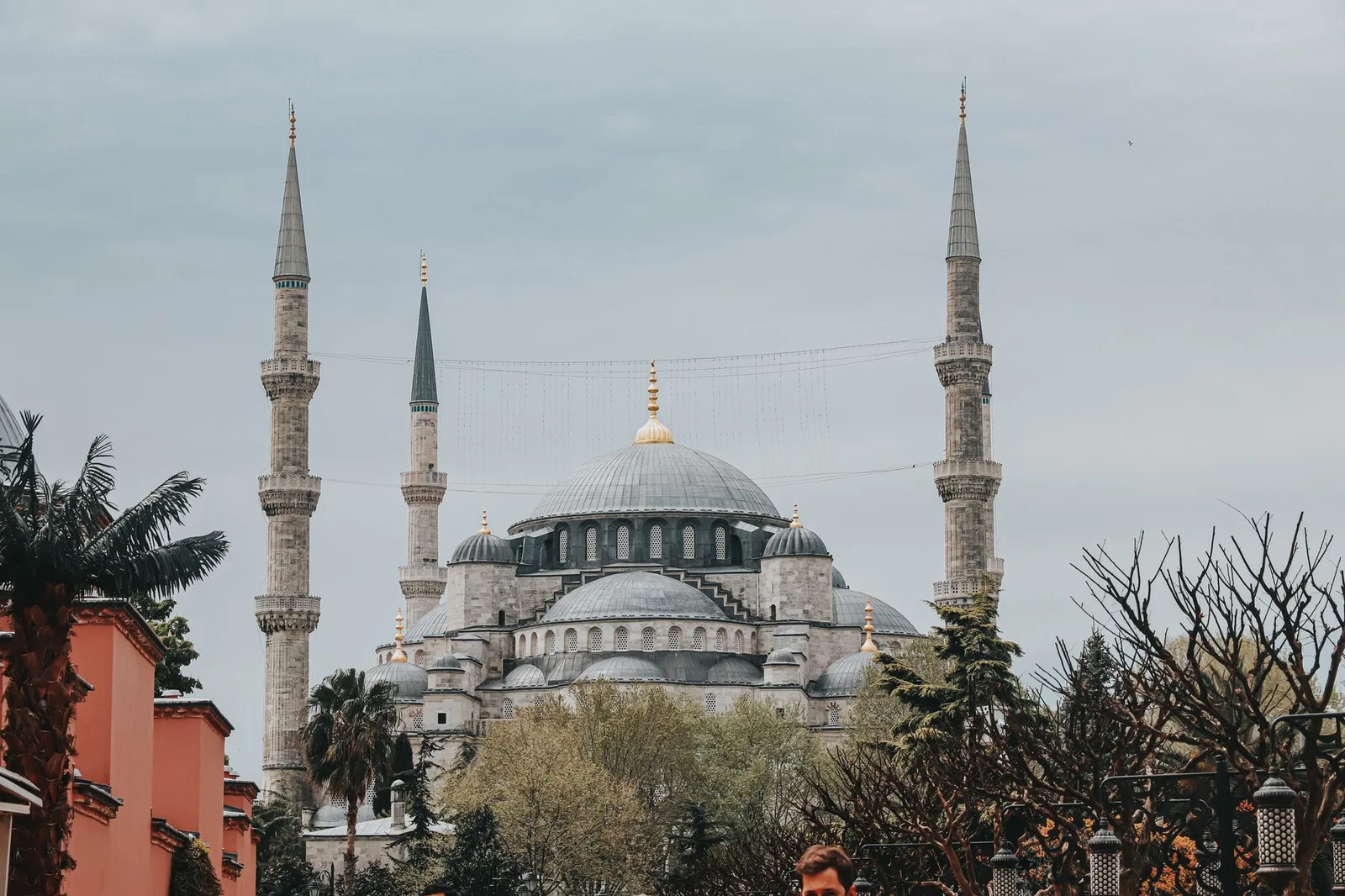
No list of places in Turkey to go is complete without Istanbul. Split down the middle by the Bosporus, this city of 16 million people preserves layers of Roman, Byzantine, and Ottoman history. The historic peninsula of Sultanahmet contains the highest concentration of major monuments, making it highly walkable but heavily crowded during peak hours.
Navigating the Sultanahmet District
When visiting the historical core, timing is critical. The Hagia Sophia and the Blue Mosque sit directly opposite each other. To avoid the longest queues, visit the Hagia Sophia early in the morning when the gates open, or late in the afternoon. Note that active mosques close to non-worshipers during the five daily prayer times. Wear modest clothing, covering shoulders and knees, and be prepared to remove your shoes before entering carpeted areas.
Exploring the Bosporus and Beyond
To experience the city like a local, step away from the historic core and utilize the public ferry system. A ferry ride from Eminonu to Kadikoy on the Asian side offers panoramic views of the skyline at a fraction of the cost of private tourist cruises. The neighborhood of Kadikoy features a vibrant market district, excellent seafood restaurants, and a more relaxed, residential atmosphere compared to the bustling European side.
Izmir: The Aegean Pearl
Izmir is Turkey's third-largest city and presents a much more liberal, laid-back atmosphere than Istanbul. Centered around the Gulf of Izmir, the city features a wide seafront promenade known as the Kordon, where locals gather at sunset. Izmir serves as an excellent, less congested transit hub for travelers heading south to Ephesus or north to the ruins of Pergamum.
Ankara: The Modern Capital
While often bypassed by international tourists in favor of coastal resorts, Ankara holds deep historical significance. The city houses Anitkabir, the massive mausoleum of Mustafa Kemal Ataturk, the founder of the modern republic. The Museum of Anatolian Civilizations, located near the ancient Ankara Castle, contains an unmatched collection of Paleolithic, Neolithic, Hittite, and Phrygian artifacts, providing essential context for any historical tour of the country.
Geological Wonders and Natural Landscapes
Turkey's unique tectonic history has created dramatic landscapes that look almost alien. These natural formations are highly sought after by photographers and outdoor enthusiasts alike.
Cappadocia: The Land of Fairy Chimneys
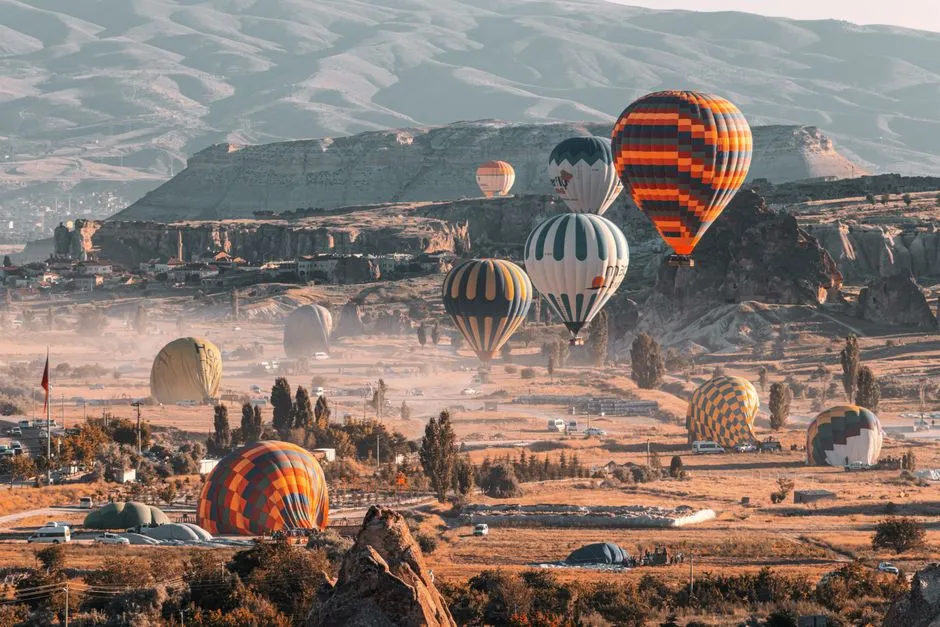
Cappadocia's landscape was formed millions of years ago by volcanic eruptions that covered the region in thick ash, which solidified into soft rock called tuff. Wind and water erosion gradually carved this tuff into tall, cone-shaped pillars known locally as fairy chimneys. The main hub for travelers is the town of Goreme, which is centrally located within the national park.
The Goreme Open Air Museum
This UNESCO World Heritage site contains a vast monastic complex of rock-cut churches, chapels, and monasteries dating back to the 10th to 12th centuries. The churches feature remarkably preserved Byzantine frescoes. The Dark Church (Karanlik Kilise) requires an additional entry fee but contains the most vivid, undamaged frescoes due to the lack of natural light entering the structure. Arrive by 8:00 AM to explore before the tour buses arrive.
Underground Cities of Kaymakli and Derinkuyu
Beneath the volcanic plains of Cappadocia lie dozens of multi-level underground cities used by early Christians as hiding places during periods of persecution. Derinkuyu is the deepest, descending roughly 85 meters across eight levels, while Kaymakli is the widest. Visitors must navigate narrow, low-ceilinged tunnels, which may not be suitable for those prone to claustrophobia. Wear sturdy footwear, as the stone steps can be slippery and uneven.
Pamukkale: The Cotton Castle
Located in the southwestern province of Denizli, Pamukkale is famous for its brilliant white terraces of travertine, a sedimentary rock deposited by mineral-rich thermal waters. The hot springs have been used as a spa since the 2nd century BC, when the Greco-Roman city of Hierapolis was established at the top of the mountain.
Visiting the Travertine Pools
To protect the delicate calcium carbonate structures, visitors are strictly prohibited from wearing shoes on the terraces. You must carry your footwear in a bag as you walk up the designated path. The water flowing through the terraces is warm and rich in calcium. For a quieter experience, enter through the South Gate early in the morning and walk up the terraces before the midday tour groups arrive from coastal resorts.
The Ancient City of Hierapolis
Directly adjacent to the white terraces lie the extensive ruins of Hierapolis. The site features a well-preserved Roman theater capable of seating 15,000 spectators, a vast necropolis with over 1,200 tombs, and the Antique Pool (often called Cleopatra's Pool), where you can swim among submerged Roman columns. Swimming in the Antique Pool requires an additional ticket, but walking around the perimeter is free.
The Best Coastal Escapes and Beach Destinations
With coastlines stretching along the Black Sea, the Aegean, and the Mediterranean, Turkey offers diverse seaside experiences ranging from secluded pebble coves to high-end resort towns.
Antalya: The Gateway to the Mediterranean
Antalya combines a bustling modern city with a beautifully preserved historic old town called Kaleici. Surrounded by ancient Roman walls, Kaleici features narrow cobblestone streets, Ottoman-era mansions, and the iconic Hadrian’s Gate, built in 130 AD to honor the Roman emperor's visit.
Lara Beach vs. Konyaalti Beach
Antalya offers two distinct coastal strips. Konyaalti Beach, located to the west of the city center, is a wide, pebbled beach backed by the dramatic Taurus Mountains. It features a modern promenade with public parks, cafes, and cycling paths. Lara Beach, located to the east, is a long stretch of fine sand dominated by large, all-inclusive luxury resorts. Choose Konyaalti for a local, active vibe, and Lara for a self-contained resort experience.
Bodrum: Sophistication on the Aegean
Situated on a peninsula of the same name, Bodrum is known for its whitewashed houses, vibrant marina, and upscale dining scene. The town is dominated by the medieval Castle of St. Peter, built by the Knights Templar in the 15th century using stones from the nearby Mausoleum at Halicarnassus, one of the Seven Wonders of the Ancient World. The castle now houses the fascinating Museum of Underwater Archaeology.
Fethiye: Lagoons and Tombs
Fethiye is a harbor town built over the ancient Lycian city of Telmessos. It is highly regarded for its natural harbor, proximity to spectacular beaches, and the dramatic Lycian rock tombs carved directly into the cliffside overlooking the town, most notably the Tomb of Amyntas.
The Blue Lagoon of Oludeniz
Located a short drive south of Fethiye, Oludeniz is home to one of the most photographed beaches in the Mediterranean—a calm, crescent-shaped blue lagoon protected by a sandy spit. The towering Babadag Mountain directly behind the beach is a world-renowned launch site for tandem paragliding, offering flights that land directly on the beachfront promenade.
Must-See Archaeological and Historical Sites
For history enthusiasts, Turkey contains more ancient Roman ruins than Italy and a wealth of sites that date back to the very dawn of human civilization.
The Ruins of Ephesus
Located near the modern town of Selcuk, Ephesus was once an influential Roman metropolis of over 250,000 residents. It is one of the most complete classical cities remaining in Europe. The site is vast, and a thorough visit takes at least three to four hours.
The Library of Celsus and the Terrace Houses
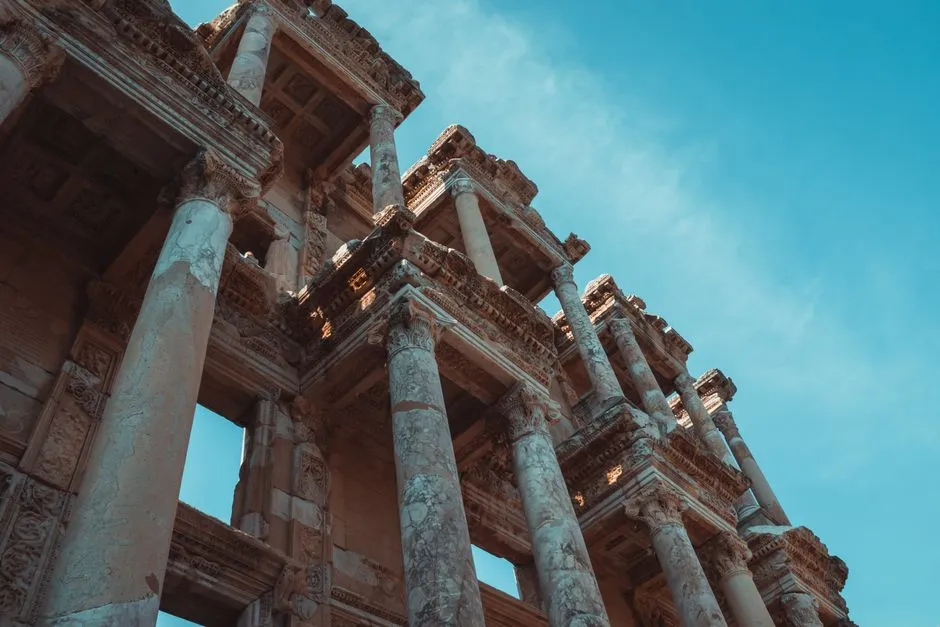
The iconic facade of the Library of Celsus, built in 117 AD, is the architectural highlight of Ephesus. Directly opposite the library are the Terrace Houses, where the city’s wealthy elite lived. Protected by a modern canopy structure, these houses feature incredibly preserved floor mosaics and wall frescoes depicting mythological scenes. Entering the Terrace Houses requires a separate ticket, but it is highly recommended for those interested in daily Roman life.
Gobekli Tepe: The World's Oldest Temple
Located in southeastern Anatolia near the city of Sanliurfa, Gobekli Tepe has revolutionized our understanding of human history. Dating back to the 10th millennium BC (roughly 12,000 years ago), this site predates Stonehenge and the Egyptian pyramids by several millennia. The site consists of massive T-shaped stone pillars carved with intricate reliefs of wild animals, arranged in circular temple structures built by hunter-gatherers before the invention of agriculture.
The Ancient City of Troy
Located in the northwest province of Canakkale, Troy is famous as the setting of Homer's epic poem, the Iliad. While the physical ruins are less visually imposing than those of Ephesus—consisting of nine distinct archaeological layers built on top of each other over thousands of years—the historical weight of the site is immense. The adjacent Troy Museum is a modern, award-winning facility that beautifully displays the artifacts recovered from the site.
Comparing Top Destinations in Turkey
To help you decide which places in Turkey to go based on your specific travel style, budget, and time constraints, refer to the comparison table below.
| Destination Name | Recommended Time Needed | Relative Cost Level | Primary Attraction / Best For | Best Season to Visit |
|---|---|---|---|---|
| Istanbul | 3–4 Days | Mid to Premium | Imperial history, food, urban culture | Year-round (Spring & Autumn ideal) |
| Cappadocia | 2–3 Days | Premium (due to activities) | Volcanic landscapes, hot air balloons | April to October |
| Ephesus (Selcuk) | 1 Day | Budget to Mid | Greco-Roman archaeology | September to May |
| Antalya (Kaleici) | 2–3 Days | Mid | Beaches, old town, Roman history | June to September (Beaches) |
| Pamukkale | 1 Day | Budget | Travertine pools, Hierapolis ruins | September to November |
| Bodrum | 2–3 Days | Premium | Yachting, luxury dining, castles | June to September |
| Gobekli Tepe | 1 Day | Budget | Prehistoric archaeology, deep history | October to April (Avoid summer heat) |
Planning a multi-destination trip across these locations can be challenging due to varying transit schedules and geographic distances. Using an intelligent routing tool like Routevia can help you optimize your travel days, ensuring you spend less time in transit and more time exploring these historic sites.
Sample Itineraries
Maximize your time with these structured, hour-by-hour itineraries designed to reduce backtracking and optimize your daily sightseeing windows.
1-Day Express Ephesus & Selcuk Itinerary
This fast-paced itinerary is designed for travelers who want to see the very best of ancient Roman history in a single, highly efficient day.
- 08:00 AM – 08:30 AM: Arrive at the South Gate of Ephesus. Entering through the South Gate allows you to walk downhill through the site, ending at the Lower Gate near public transport options.
- 08:30 AM – 10:30 AM: Explore the main thoroughfares of Ephesus, including the Odeon, the Temple of Hadrian, and the spectacular Library of Celsus.
- 10:30 AM – 11:30 AM: Visit the Terrace Houses (located inside the Ephesus site, requires a separate ticket) to view the preserved Roman mosaics and frescoes.
- 11:30 AM – 12:30 PM: Walk through the Great Theater, which once held 25,000 spectators, and exit through the Lower Gate.
- 12:30 PM – 02:00 PM: Take a local taxi or minibus (dolmus) to the nearby town of Selcuk for lunch. Try local Aegean olive oil dishes (zeytinyagli) and Turkish pide.
- 02:00 PM – 03:30 PM: Visit the Ephesus Archaeological Museum in Selcuk, which houses the famous statues of Artemis retrieved from the temple site.
- 03:30 PM – 04:30 PM: Walk to the nearby ruins of the Basilica of St. John, constructed by Emperor Justinian in the 6th century over the apostle's supposed burial site.
- 04:30 PM – 05:30 PM: Conclude your day at the site of the Temple of Artemis, once one of the Seven Wonders of the Ancient World (now represented by a single standing column in a peaceful field).
2-Day Comprehensive Cappadocia Itinerary
This two-day plan covers the essential highlights of Cappadocia, splitting the region into the famous "Red Tour" and "Green Tour" geographic routes.
Day 1: Goreme and the Northern Valleys (The Red Route)
- 05:00 AM – 08:00 AM: Early morning hot air balloon flight over the valleys of Cappadocia (weather permitting). Return to your hotel for breakfast.
- 09:00 AM – 11:30 AM: Visit the Goreme Open Air Museum. Explore the rock-cut churches and pay the extra fee to see the Karanlik (Dark) Church frescoes.
- 11:30 AM – 01:00 PM: Head to Pasabag (Monks Valley) to view the highly distinct, multi-headed fairy chimneys. Walk among the vineyards that still grow around the stones.
- 01:00 PM – 02:30 PM: Drive to the town of Avanos on the banks of the Red River (Kizilirmak) for lunch and a traditional pottery-making demonstration using local river clay.
- 02:30 PM – 04:30 PM: Hike through Devrent Valley (Imagination Valley) to spot rock formations that resemble animals, including the famous stone camel.
- 04:30 PM – 06:00 PM: Climb to the top of Uchisar Castle, the highest point in Cappadocia, for a panoramic view of the entire region as the sun sets.
Day 2: Underground Cities and Canyons (The Green Route)
- 08:30 AM – 10:30 AM: Drive south to the Kaymakli Underground City. Arrive early to explore the four open levels of tunnels and storage chambers before the crowds arrive.
- 10:30 AM – 01:30 PM: Proceed to the Ihlara Valley, a dramatic 100-meter-deep canyon carved by the Melendiz River. Hike a 4-kilometer flat trail along the river, stopping to view early Christian cave churches carved into the canyon walls. Enjoy a rustic lunch at a riverside restaurant in Belisirma.
- 01:30 PM – 03:00 PM: Visit the massive, rock-cut Selime Monastery at the end of the Ihlara Valley, which served as an important religious center and caravan stop on the Silk Road.
- 03:00 PM – 04:30 PM: Drive back toward Goreme, stopping at Pigeon Valley (Guvercinlik) to view the thousands of pigeon lofts carved into the white cliffs.
- 04:30 PM – 06:00 PM: Relax and enjoy a traditional Turkish tea at a panoramic viewpoint overlooking the valley.
Best Photo & Sunset Spots
Capturing the unique light and dramatic landscapes of Turkey requires knowing exactly where to stand and when to arrive. These five locations offer exceptional photographic opportunities.
1. Galata Bridge (Istanbul) at Sunset
For the classic Istanbul skyline silhouette, stand on the southern end of the Galata Bridge looking west toward the historic peninsula. As the sun sets, the silhouettes of the New Mosque, the Suleymaniye Mosque, and the Topkapi Palace line up perfectly against the orange sky, with local fishermen casting their lines in the foreground.
2. Sunrise Viewpoint (Goreme, Cappadocia)
Known locally as Lover's Hill, this ridge overlooking the town of Goreme offers a 360-degree view of the valleys. Arrive 30 minutes before sunrise to watch dozens of hot air balloons inflate and ascend directly into the morning light, casting long shadows across the fairy chimneys.
3. The Library of Celsus (Ephesus) at Golden Hour
While Ephesus closes its gates around 6:30 PM or 7:00 PM depending on the season, the late afternoon light (roughly 5:00 PM to 6:00 PM) strikes the grand facade of the Library of Celsus directly. This time also sees a significant drop in tour group traffic, allowing for clean, unobstructed architectural photographs.
4. Cleopatra’s Pool (Hierapolis) at Midday
To capture the brilliant turquoise hue of the water and the white submerged Roman columns, photograph the pool between 11:00 AM and 1:00 PM when the sun is directly overhead. The high sun minimizes reflections on the water's surface, showing the ancient ruins beneath clearly.
5. Kaleici Harbor (Antalya) at Dusk
Walk down the stone steps from the old town of Antalya to the historic Roman harbor. As the sky turns deep blue, the warm lights of the harbor restaurants and the yachts reflect off the water, framed by the ancient stone sea walls.
Common Mistakes to Avoid
Many travelers make preventable errors when planning their routes through Turkey. Avoiding these common pitfalls will save you money, time, and unnecessary stress.
- Trying to see too much in one trip: Turkey is far larger than most European countries. Trying to fit Istanbul, Cappadocia, Pamukkale, Ephesus, and Antalya into a one-week itinerary results in spending half your vacation inside a bus or airport terminal. Focus on one or two regions instead.
- Buying individual museum tickets instead of a pass: If you plan to visit multiple historical sites, buy the official Museum Pass Turkey. It is valid for 15 days and grants access to hundreds of state-run museums and archaeological sites nationwide, allowing you to bypass the ticket window queues entirely.
- Visiting coastal towns during the winter offseason: Popular resort towns like Alanya, Kas, and Bodrum become quiet coastal villages between November and April. Most beach restaurants, boat tours, and boutique hotels close down completely, and the weather is often too cold and rainy for swimming.
- Taking unauthorized airport taxis: At Istanbul Airport (IST) and Sabiha Gokcen Airport (SAW), always queue at the official taxi stands outside the arrivals hall. Ignore individuals offering taxi services inside the terminal, as they frequently overcharge tourists or use non-standard routes.
- Underestimating the Anatolian climate: While the Mediterranean coast remains warm, central Anatolia (including Cappadocia and Ankara) sits at high altitude. Winters here are freezing with heavy snowfall, and summer nights can be surprisingly chilly. Pack layers regardless of the season.
Frequently Asked Questions
What is the best way to travel between cities in Turkey?
For long distances, such as Istanbul to Cappadocia or Antalya, domestic flights are highly affordable and save significant time. Airlines like Turkish Airlines and Pegasus operate frequent daily flights. For medium distances, the high-speed train network (YHT) efficiently connects Istanbul, Ankara, Eskisehir, and Konya. For shorter regional trips, the extensive and comfortable intercity bus network (operated by companies like Pamukkale and Metro) is the most popular and budget-friendly option.
Do I need a visa to visit Turkey?
Visa requirements vary depending on your nationality. Citizens of many countries, including EU member states, the United Kingdom, and several South American nations, can enter Turkey visa-free for tourist stays of up to 90 days. Citizens of other countries, such as the United States, Canada, and Australia, can easily obtain an e-Visa online prior to arrival through the official government portal. Always check the latest entry requirements on the official Turkish Ministry of Foreign Affairs website before booking your travel.
Is tap water safe to drink in Turkey?
In general, tap water in Turkey is treated and safe for sanitation, brushing teeth, and washing dishes. However, due to old piping systems and varying mineral content, locals and tourists alike prefer to drink bottled water, which is cheap and widely available in grocery stores, kiosks, and restaurants. In major hotels, complimentary bottled water is typically provided daily.
What currency is used, and can I use cards?
The official currency is the Turkish Lira (TRY). Credit and debit cards (Visa and Mastercard) are accepted almost everywhere in major cities and tourist areas, including restaurants, supermarkets, and hotels. However, it is essential to carry some cash for small purchases, public transport, tipping, and when visiting rural villages or local street markets where card readers may not be available.
How should I dress when visiting religious sites?
When entering active mosques, both men and women must dress modestly. This means covering your shoulders and knees. Women must also cover their hair with a scarf. Most major tourist mosques, such as the Hagia Sophia, provide clean wraps and headscarves free of charge or for a nominal fee at the entrance if your clothing is deemed unsuitable. You must also remove your footwear before stepping onto the carpeted prayer areas.
Is Turkey a safe country for solo travelers?
Yes, Turkey is generally a very safe destination for solo travelers, including solo female travelers. Violent crime rates are low across the country. The most common issues tourists encounter are petty scams, pickpocketing in crowded areas of Istanbul, and aggressive sales tactics in markets. Exercising normal travel precautions, staying aware of your surroundings, and avoiding unlit streets at night will ensure a safe and enjoyable journey.
With its unique blend of eastern and western cultures, rich classical history, and dramatic natural landscapes, Turkey offers an unparalleled travel experience. By understanding the regional differences, planning your transit logistics carefully, and using modern digital tools to map your routes, you can craft a highly rewarding journey through this historic land.
Routevia shows you the best places to visit across Türkiye city by city, then plans an AI-powered route in seconds.

Independent Full Stack Developer · Founder of Tabserve
Aycan builds and maintains Tabserve's apps — OneBag, Routevia and RentFlow — and writes practical, tested guides to help you pack smarter and travel better.