Best Beach Towns in Turkey: Your Coastal Guide
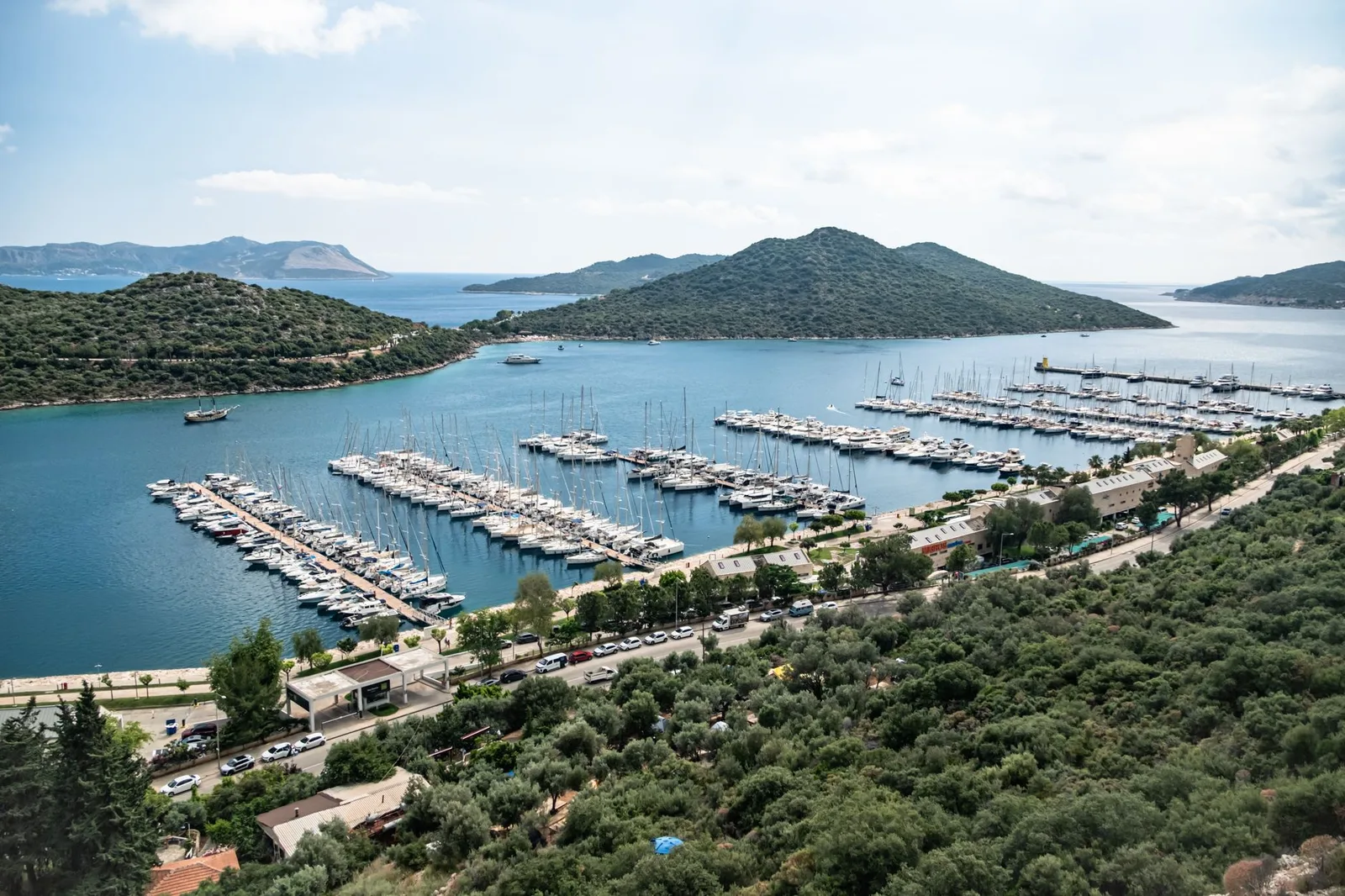
Turkey’s southwest coastline spans two distinct seas, offering everything from windsurfer hangouts to pine-fringed Mediterranean bays. This guide breaks down the best beach towns in Turkey by their unique atmosphere, transit accessibility, and beach quality to help you choose the ideal base. Whether you want the bohemian alleys of Kaş, the upscale beach clubs of Bodrum, or the quiet nature of Çıralı, you will find practical transit routes, detailed itineraries, and local tips to plan your coastal escape.
The Turkish coastline, stretching from the northern Aegean to the eastern Mediterranean, is collectively known as the Turquoise Coast or the Turkish Riviera. Because this shoreline spans over a thousand miles, choosing where to base yourself is the most critical decision of your trip. A mismatch between your travel style and your destination can mean the difference between a relaxing seaside holiday and a frustrating week stuck in highway traffic or crowded resort complexes.
Some travelers seek deep-water harbors with rocky entry points and excellent scuba diving, while others require shallow, sandy entryways suitable for young children. Accessibility also varies wildly: some premier coastal towns sit within a 45-minute drive of an international airport, while others require navigating winding, cliffside mountain passes for nearly three hours. This comprehensive guide analyzes the premier coastal bases to help you align your personal travel style with the geographical realities of Turkey's diverse shores.
Contents
- Key Takeaways
- The Geography of the Turkish Riviera: Aegean vs. Mediterranean
- 1. Kaş: The Bohemian Haven for Active Travelers
- 2. Bodrum: The Cosmopolitan Peninsula of Luxury and History
- 3. Alaçatı and Çeşme: Windsurfing, Stone Mansions, and Aegean Chic
- 4. Ölüdeniz and Fethiye: Dramatic Landscapes and Paragliding
- 5. Çıralı and Olympos: Eco-Tourism, Ancient Ruins, and Sea Turtles
- Comparison of the Best Beach Towns in Turkey
- Sample Itineraries for Coastal Turkey
- Best Photo & Sunset Spots
- Common Mistakes to Avoid
- Frequently Asked Questions
Key Takeaways
- Match the sea to your style: The Aegean coast (Çeşme, Alaçatı, Bodrum) offers cooler waters, constant summer breezes, and historic stone architecture, while the Mediterranean coast (Kaş, Kalkan, Fethiye) features warmer waters, dramatic cliffs, and pine-clad mountains.
- Fly smart to save transit time: Use Milas-Bodrum Airport (BJV) for Bodrum, Dalaman Airport (DLM) for Fethiye, Ölüdeniz, and Kaş, and Antalya Airport (AYT) for Çıralı and eastern resort towns.
- Rent a car for the southern loops: While local minibuses (dolmuş) connect main towns, reaching isolated archaeological ruins and secluded coves like Kaputaş requires independent wheels or structured private transport.
- Time your visit carefully: July and August bring intense heat and massive domestic crowds; May, June, September, and October offer optimal swimming temperatures with half the crowds.
The Geography of the Turkish Riviera: Aegean vs. Mediterranean
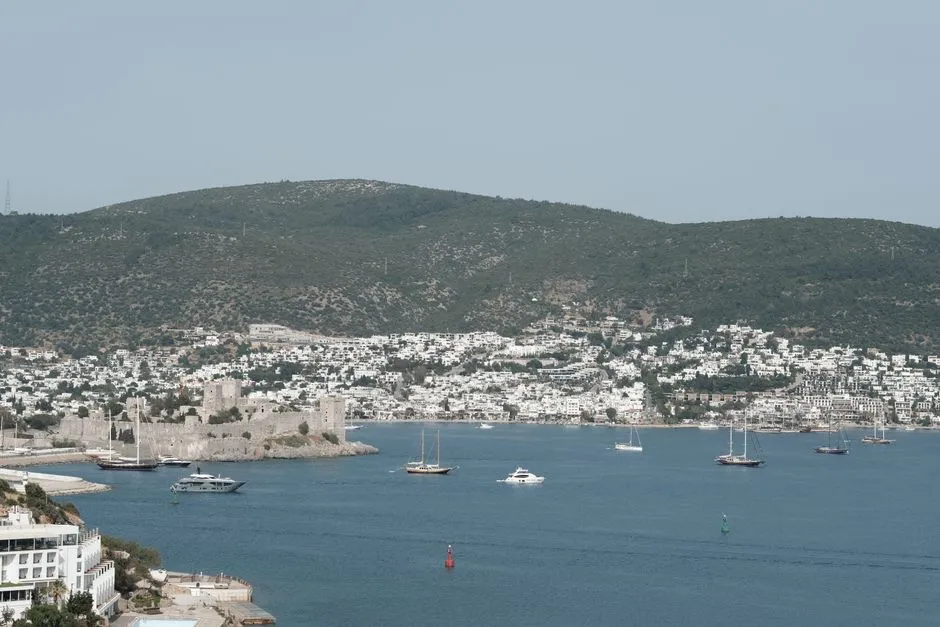
To choose among the best beach towns in Turkey, you must first understand the structural differences between the two main coastal regions. The Aegean Sea, bordering western Turkey, is characterized by its indented coastline, thousands of islands, and cooler water temperatures. The wind patterns here, particularly the Meltemi winds that blow from the north during summer, keep the air fresh and make towns like Alaçatı global hubs for windsurfing and kitesurfing. The architecture here leans toward Greek-influenced stone houses with blue shutters, reflecting the shared history of the region.
As you move south past Marmaris, the coast transitions into the Mediterranean. Here, the Taurus Mountains drop precipitously into the sea, creating dramatic cliffs, deep fjords, and pebble beaches with incredibly clear, turquoise water. The water temperature on the Mediterranean coast is significantly warmer, often remaining comfortable for swimming from early May well into November. The vegetation shifts from olive groves to dense pine forests that grow right down to the water's edge. Understanding this geographical divide helps narrow down your search based on water temperature preference, wind conditions, and landscape style.
1. Kaş: The Bohemian Haven for Active Travelers
Located on the southernmost tip of the Teke Peninsula, Kaş is widely considered the jewel of the Mediterranean coast. Unlike many of its neighbors, Kaş has resisted the encroachment of massive, all-inclusive resorts. The town has preserved its historic core, characterized by whitewashed houses draped in pink bougainvillea, narrow cobblestone streets, and ancient Lycian sarcophagi standing casually on street corners.
Beach Quality and Access in Kaş
Kaş is not a traditional sandy beach destination. Instead, the town is famous for its rocky platforms and small pebble coves where the water is exceptionally clear and deep. The most famous beach in the immediate area is Kaputaş Beach, located 20 kilometers west of the town center. Formed by a gorge that opens up to the sea, Kaputaş features brilliant turquoise water and a mix of sand and fine golden pebbles. Accessing Kaputaş requires descending nearly 200 steps from the coastal highway, and parking along the road can be highly chaotic during peak hours.
Within the town itself, you can swim at Küçük Çakıl (Little Pebble Beach), a tiny cove wedged between restaurant platforms, or take a short water taxi to Büyük Çakıl (Big Pebble Beach), which features cold freshwater springs mixing with the sea. For a more relaxed day, the Çukurbağ Peninsula, which juts out from the town, is lined with boutique hotels that have private wooden swimming platforms built over the deep water, offering direct ladder access into the sea.
Vibe, Nightlife, and Practicalities
The vibe in Kaş is laid-back, creative, and highly social. The town attracts scuba divers, paragliders, hikers tackling the Lycian Way, and independent travelers. Evenings are centered around the main square and the harbor, where local craft shops, jazz bars, and seafood restaurants spill onto the pavements. There are no mega-clubs here; instead, you will find cozy bars playing acoustic music and serving local wines.
- Best for: Scuba divers, active couples, hikers, and independent travelers.
- How to get there: Kaş is relatively isolated. The closest airport is Dalaman (DLM), a 2.5-hour drive away, while Antalya Airport (AYT) is roughly 3 hours away via a scenic but winding coastal highway.
- Local Tip: Rent a scooter to easily navigate the steep hills of the Çukurbağ Peninsula and to visit nearby ruins without worrying about parking in the cramped town center.
2. Bodrum: The Cosmopolitan Peninsula of Luxury and History
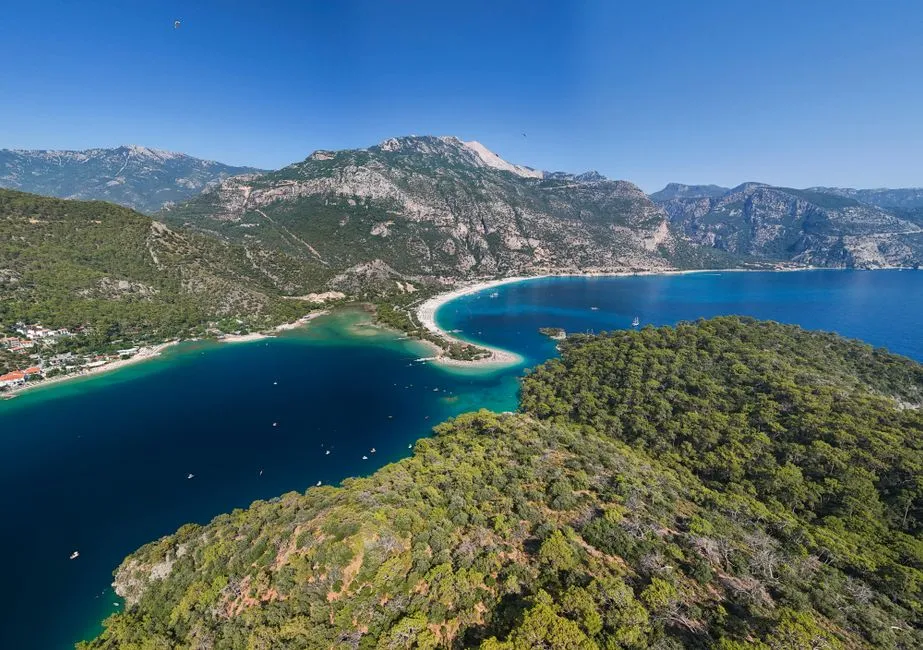
Bodrum is Turkey's most famous upscale coastal destination, often compared to Saint-Tropez or Mykonos. The Bodrum Peninsula consists of Bodrum Town itself—dominated by the imposing 15th-century Castle of St. Peter—and a dozen surrounding bays and villages, each catering to a completely different demographic.
Choosing Your Bay on the Bodrum Peninsula
Because the peninsula is large and diverse, where you stay matters immensely. Bodrum Town is ideal for those who want historical sightseeing, shopping, and proximity to the central ferry port. However, the town's central beaches are small and crowded. For a luxury resort experience, head to Yalıkavak on the northwestern coast. Yalıkavak features a high-end marina lined with superyachts, designer boutiques, and world-class dining establishments like Nusr-Et and Zuma.
If you prefer a quieter, traditional atmosphere, Gümüşlük is a bohemian village on the western tip, famous for its waterside fish restaurants and the ruins of the ancient city of Myndos submerged just beneath the shallow harbor waters. For families, Bitez and Ortakent offer wide, sandy bays with shallow waters and excellent windsurfing schools for beginners.
Cultural Attractions and Activities
Bodrum is unique among Turkish beach towns because of its immense historical wealth. The Bodrum Museum of Underwater Archaeology, housed inside the castle, displays incredible shipwrecks dating back to the Bronze Age. Bodrum is also the site of the Mausoleum at Halicarnassus, one of the Seven Wonders of the Ancient World, though only foundations and architectural fragments remain today. The town's wooden boatbuilding tradition is still alive, making it the premier starting point for a traditional multi-day sailing cruise known as a Blue Voyage (Mavi Yolculuk).
- Best for: Luxury travelers, foodies, history buffs, and yachting enthusiasts.
- How to get there: Milas-Bodrum Airport (BJV) is located just 35 minutes northeast of Bodrum Town, offering direct flights from Istanbul and major European cities throughout the summer season.
- Local Tip: Avoid driving inside Bodrum Town during the late afternoon rush hour. The peninsula's main arterial roads experience heavy traffic as visitors head to the western bays for sunset.
3. Alaçatı and Çeşme: Windsurfing, Stone Mansions, and Aegean Chic
Situated on the Çeşme Peninsula jutting out into the Aegean Sea, the twin towns of Çeşme and Alaçatı offer a distinctly sophisticated, Aegean holiday experience. While Çeşme is a bustling port town dominated by a Genoese fortress, Alaçatı is an inland Greek-Ottoman village that has transformed into Turkey's most stylish design hotspot.
Routevia shows you the best places to visit across Türkiye city by city, then plans an AI-powered route in seconds.
The Windsurfing Capital of Turkey
Alaçatı's unique geography makes it one of the premier windsurfing and kitesurfing destinations in the world. The town sits on a narrow bay that channels strong, consistent northern winds across shallow, flat water. This combination is perfect for both professional windsurfers and beginners who want to learn without facing dangerous waves. A dozen professional windsurfing schools operate along the southern bay, offering equipment rentals and multi-day courses.
Boutique Hotels and Culinary Excellence
Away from the windy bays, Alaçatı's historic center is a maze of narrow streets lined with 19th-century stone houses. Many of these buildings have been meticulously restored into high-end boutique hotels featuring private courtyard pools and antique furnishings. The town is also at the forefront of Turkey's modern culinary scene. Local restaurants focus on Aegean herbs, locally sourced olive oil, and fresh seafood, paired with wines from the nearby Urla vineyard route.
For beach lovers, the actual swimming is done at the beach clubs scattered around the peninsula, such as those at Ilıca Beach—famous for its thermal hot springs bubbling up directly into the shallow, sandy sea floor—or the exclusive, high-energy beach clubs of Ayayorgi Bay.
- Best for: Windsurfers, design lovers, gourmet travelers, and boutique hotel enthusiasts.
- How to get there: Izmir Adnan Menderes Airport (ADB) is the main gateway, located about an hour's drive east via a modern, multi-lane highway.
- Local Tip: Alaçatı gets incredibly crowded on weekends with visitors from Izmir and Istanbul. Visit between Monday and Thursday to enjoy the narrow streets and restaurants without the crushing crowds.
4. Ölüdeniz and Fethiye: Dramatic Landscapes and Paragliding
The Fethiye region offers a diverse mix of natural wonders, archaeological sites, and varied accommodation styles. While Fethiye itself is a working harbor city with excellent market culture and a beautiful marina, the neighboring resort area of Ölüdeniz is home to one of the most photographed beaches in the entire Mediterranean basin.
The Blue Lagoon of Ölüdeniz
Ölüdeniz consists of two main parts: Belcekız Beach, a wide public pebble beach facing the open sea, and the famous Blue Lagoon (Ölüdeniz Milli Parkı), a calm, shallow body of water protected by a sandy spit. The lagoon is a protected national park, meaning motorized watercraft are banned, making it an incredibly peaceful spot for paddleboarding, kayaking, and swimming, especially for families with young children. The water here is exceptionally calm, reflecting the deep green of the surrounding pine-covered mountains.
Babadağ Mountain and Tandem Paragliding
The defining feature of the Ölüdeniz landscape is Babadağ Mountain, which rises dramatically from sea level to nearly 2,000 meters. This extreme vertical drop, combined with stable marine wind currents, makes Ölüdeniz one of the premier paragliding launch sites in the world. Visitors can book tandem paragliding flights that launch from the mountain's peak and glide slowly over the Blue Lagoon before landing directly on the beach promenade. The flight lasts roughly 30 to 45 minutes and offers unparalleled aerial views of the entire coastline.
Exploring Fethiye's Surrounding Valleys
Fethiye serves as an excellent base for exploring the surrounding natural attractions. Just a short boat ride or hike away lies Butterfly Valley (Kelebekler Vadisi), a deep canyon accessible only by water or a highly technical, steep climbing path. The valley floor is home to diverse butterfly species and a pristine, rustic beach. Another nearby attraction is the ghost village of Kayaköy, an abandoned Greek settlement consisting of hundreds of empty stone houses, churches, and chapels left untouched since the 1923 population exchange between Greece and Turkey.
- Best for: Adventure seekers, families, paragliders, and nature lovers.
- How to get there: Dalaman Airport (DLM) is the primary gateway, located approximately 45 minutes from Fethiye and one hour from Ölüdeniz.
- Local Tip: Skip the expensive taxis and use the frequent local minibuses (dolmuş) that run between Fethiye town center and Ölüdeniz every 10 minutes. They are cheap, reliable, and run late into the evening.
5. Çıralı and Olympos: Eco-Tourism, Ancient Ruins, and Sea Turtles
For those who want to escape commercial tourism entirely, the twin villages of Çıralı and Olympos offer a unique, eco-friendly alternative. Located inside the Olympos Beydağları National Park, about 80 kilometers southwest of Antalya, this region is heavily protected by environmental laws that ban the construction of large concrete buildings or multi-story hotels.
The Beach and the Loggerhead Turtles
Çıralı features a pristine, four-kilometer-long sweep of sand and fine pebbles, bordered by agricultural fields, pomegranate orchards, and pine forests. Because of its clean water and dark, undeveloped shoreline, Çıralı is a critical nesting ground for the endangered Loggerhead Sea Turtle (Caretta caretta). During the summer nesting season (May to September), local volunteers patrol the beach to protect nests, and visitors must follow strict rules: no lights on the beach after dark, no beach umbrellas near nesting zones, and no driving on the sand.
The Ruins of Ancient Olympos and the Chimaera Flames
At the southern end of the beach, a freshwater stream flows out of a deep gorge, marking the entrance to the ancient Lycian city of Olympos. Visitors can walk straight off the beach into the overgrown forest to explore the ruins of Roman temples, baths, a theater, and ancient tombs half-buried under ivy and wild laurel trees.
On the opposite side of the valley, a rocky trail leads up the mountainside to the Yanartaş (Chimaera), a series of natural eternal flames that seep out of cracks in the bare rock face due to underground methane gas emissions. Visiting the flames at dusk or night with a flashlight is a classic Çıralı tradition.
- Best for: Eco-travelers, hikers, families seeking quiet, and history enthusiasts.
- How to get there: Antalya Airport (AYT) is the closest, about 1.5 to 2 hours away. Most pension owners can arrange airport transfers, which is highly recommended as public transit requires changing buses along the main highway.
- Local Tip: Accommodation in Çıralı consists almost entirely of family-run wooden bungalows and small pensions. Book well in advance for July and August, as capacity is strictly limited by conservation laws.
Comparison of the Best Beach Towns in Turkey
To help you decide which coastal base aligns with your specific holiday goals, the table below compares these top destinations based on transit convenience, general cost index, beach entry style, and primary travel appeal.
| Town Name | Primary Airport | Cost Level | Beach Entry Style | Best For |
|---|---|---|---|---|
| Kaş | Dalaman (2.5 hrs) | Mid-range | Deep water, rocky platforms, small pebbles | Scuba diving, hiking, bohemian dining |
| Bodrum | Milas-Bodrum (35 mins) | Premium | Mixed sand/pebble, private resort decks | Luxury resorts, nightlife, historical sites |
| Alaçatı | Izmir (1 hour) | Premium | Shallow sand, windy bays, beach clubs | Windsurfing, boutique design, gourmet food |
| Ölüdeniz | Dalaman (1 hour) | Mid-range | Wide pebbles, calm sandy lagoon | Paragliding, family swimming, day boat trips |
| Çıralı | Antalya (1.5 hours) | Budget-friendly | Wide natural sand & fine pebbles | Nature lovers, ancient ruins, turtle spotting |
Sample Itineraries for Coastal Turkey
To maximize your time on the coast, here are structured, hour-by-hour itineraries demonstrating how to seamlessly combine beach relaxation, active exploration, and local dining.
1-Day Itinerary: The Best of Kaş
- 08:30 AM – Breakfast in the Old Town: Enjoy a traditional Turkish breakfast (serpme kahvaltı) at a garden cafe in the historic center, featuring local olives, goat cheese, and homemade fig jam.
- 10:00 AM – Morning Swim at Kaputaş Beach: Take a local dolmuş or drive to Kaputaş Beach. Arriving early guarantees you can find a parking spot and secure a sunbed before the midday heat and crowds arrive.
- 01:30 PM – Lunch and Ancient Theater: Head back to Kaş for a light lunch of Turkish flatbreads (gözleme) near the harbor. Afterward, take a 10-minute walk to the Antiphellos Ancient Theater to admire its well-preserved stone seating overlooking the sea.
- 03:30 PM – Afternoon Sea Kayaking or Diving: Join a guided sea kayaking excursion over the Sunken City of Kekova, or head to one of the local dive centers for an afternoon dive among underwater canyons and ancient amphorae.
- 07:00 PM – Sunset Drinks on the Peninsula: Head to a coastal bar on the Çukurbağ Peninsula to watch the sun sink behind the Greek island of Meis.
- 08:30 PM – Seafood Dinner: Dine at a courtyard meyhane in the old town, ordering fresh grilled octopus and cold meze plates under the hanging lanterns.
2-Day Itinerary: The Ultimate Bodrum Peninsula Loop
Day 1: History and High-End Marinas
- 09:00 AM – Castle Exploration: Start your day at the Castle of St. Peter in Bodrum Town. Spend two hours exploring the towers and the exceptional Museum of Underwater Archaeology.
- 11:30 AM – Windmills and Viewpoints: Drive up to the historic stone windmills on the hilltop separating Bodrum and Gümbet for panoramic photos of both bays.
- 01:00 PM – Lunch in Bitez Bay: Head down to the sandy sweep of Bitez Bay for a casual lunch at a beachfront cafe, followed by a swim in the shallow, calm waters.
- 04:00 PM – Yalıkavak Marina: Drive to the northern side of the peninsula to visit the ultra-modern Yalıkavak Marina. Walk the boardwalk to see the superyachts and browse international designer boutiques.
- 08:00 PM – Sunset Dinner in Gümüşlük: Drive to the quiet village of Gümüşlük. Sit at a rustic wooden table set directly in the shallow water and enjoy fresh local fish as the sun sets over the Aegean.
Day 2: Ancient Ruins and Secluded Coves
- 09:30 AM – Pedasa Ruins Hike: Beat the heat with a morning walk through the pine forests to the ruins of Pedasa, an ancient Lelegian city hidden in the hills behind Bodrum.
- 12:00 PM – Lunch in Ortakent: Enjoy a casual lunch of Turkish meatballs (köfte) at a local diner in Ortakent village.
- 02:00 PM – Boat Trip to Kara Ada (Black Island): Board a shared daily boat from Bodrum harbor to visit Kara Ada, famous for its mineral-rich thermal mud caves and turquoise swimming bays.
- 06:30 PM – Bodrum Amphitheater: Head to the ancient Roman theater on the main highway for a spectacular view of the castle as the city lights begin to twinkle.
- 08:30 PM – Dinner in Bodrum Town: Conclude your trip with dinner at a traditional restaurant tucked into the narrow bazaar streets of Bodrum, enjoying local specialties like Bodrum-style beef doner or Aegean wild greens.
Best Photo & Sunset Spots
Capturing the dramatic landscapes of the Turkish coast requires knowing exactly where to go and when the lighting is optimal. Here are five top spots to photograph during your coastal trip:
1. The View from Babadağ Mountain (Ölüdeniz)
For the ultimate aerial-style photograph without needing a drone, take the Babadağ Teleferik (cable car) to the 1700-meter station. From here, you can photograph the paragliders launching against the backdrop of the Blue Lagoon. The best time for this is late afternoon, about 1.5 hours before sunset, when the golden light accentuates the contrasts of the mountains and the sea.
2. Kaputaş Beach from the Highway Overlook
The classic postcard shot of Kaputaş Beach is taken from the safety barrier along the D400 coastal highway, looking down into the gorge. To get the most vibrant turquoise water colors in your photo, shoot between 11:00 AM and 1:00 PM when the sun is directly overhead, illuminating the white pebbles on the seabed. Be extremely careful of passing traffic when standing along the narrow roadside.
3. The Windmills of Alaçatı
Located on a hill overlooking the stone town, the historic stone windmills of Alaçatı are highly photogenic. Visit at sunrise to capture the warm light hitting the stone structures without any other tourists in your frame. The morning light also perfectly illuminates the terracotta roofs of the village below.
4. The Submerged Ruins of Gümüşlük
Walk out along the shallow sandbar connecting Gümüşlük beach to Rabbit Island. If you wear polarized sunglasses or use a polarizing filter on your camera lens, you can clearly photograph the submerged stone foundations of the ancient city of Myndos just beneath the water's surface. The best time to photograph this is mid-afternoon when the water is calm and the sun is high.
5. The Lycian Rock Tombs of Amyntas (Fethiye)
Carved directly into the sheer cliff face overlooking Fethiye, these massive 4th-century BC tombs are a testament to ancient craftsmanship. Climb the stone steps to the tomb entrance just before sunset. The western-facing cliffs glow in deep shades of orange and gold, and you can frame your shot looking through the tomb columns down onto Fethiye harbor and the bay beyond.
Common Mistakes to Avoid
- Underestimating driving distances: Many travelers look at a map and assume they can easily day-trip from Antalya to Kaş or Bodrum to Fethiye. The coastal roads are highly winding, mountainous, and often single-lane. A distance that looks short on a map can easily take double the estimated time. Always plan to base yourself close to your primary sightseeing targets.
- Visiting popular beaches at midday: Beaches like Kaputaş, the Blue Lagoon, and Ilıca get incredibly crowded between 11:00 AM and 4:00 PM during the summer. If you arrive late, you will face severe parking issues, long walks, and no available sunbeds. Arrive before 9:30 AM or after 5:00 PM for a much calmer experience.
- Ignoring wind forecasts on the Aegean: The Aegean coast is prone to strong summer winds. While this is fantastic for windsurfers in Alaçatı, it can make swimming at open beaches like Ilıca or Altınkum highly choppy and unpleasant on windy days. Always check the wind direction and speed before planning a beach day on the western coast.
- Assuming all beaches are sandy: Many of the most beautiful waters in Turkey (such as those in Kaş and Kalkan) are rocky or pebbly. If you travel with young children or dislike walking on stones, research the beach composition carefully beforehand. Always pack a pair of sturdy water shoes to protect your feet from hot pebbles and sea urchins.
- Not carrying cash for local transit and parking: While credit cards are widely accepted in restaurants and hotels, local minibuses (dolmuş), beach parking attendants, and small village fruit stalls often accept only Turkish Lira cash. Keep a small stash of small-denomination bills on hand at all times.
Frequently Asked Questions
What is the best time of year to visit the beach towns in Turkey?
The absolute best window to visit is during the shoulder seasons of late spring (May to June) and early autumn (September to October). During these months, the intense summer heat is manageable, the sea water is warm enough for swimming, and the crowds of domestic and international tourists are significantly smaller. July and August bring extreme temperatures often exceeding 40°C (104°F) on the Mediterranean coast, along with peak prices and crowded beaches.
Do I need to rent a car to explore the Turkish Riviera?
If you plan to stay entirely within a resort area like Bodrum Town or Fethiye, you can easily rely on local dolmuş minibuses and taxis. However, if you want to explore secluded beaches like Kaputaş, visit isolated Lycian ruins, or travel between different towns along the D400 highway, renting a car is highly recommended. It gives you the freedom to travel on your own schedule and escape the crowds.
Are the beaches in Turkey safe for young children?
Yes, many beaches are exceptionally safe, but you must choose the right location. The Blue Lagoon in Ölüdeniz, Bitez Bay in Bodrum, and Ilıca Beach in Çeşme are famous for their calm, shallow, sandy waters with virtually no waves, making them ideal for toddlers and young swimmers. Conversely, beaches like Kaputaş or Cleopatra Beach in Alanya drop off very quickly into deep water and can have strong undertows, making them less suitable for unsupervised children.
Is the water warm enough for swimming in the spring?
Water temperatures vary significantly between the Aegean and Mediterranean coasts. On the Mediterranean coast (Kaş, Fethiye, Antalya), the water begins to warm up in mid-May, reaching comfortable swimming temperatures by early June. The Aegean coast (Çeşme, Alaçatı) is notably cooler; even in mid-summer, the water remains refreshing rather than warm, and spring swimming can feel quite brisk.
How do I travel between Bodrum and Kaş?
There is no direct train or flight connection between these two towns. The most practical options are renting a car and driving the scenic coastal route (approximately 4.5 to 5 hours), or taking an intercity bus. Several reputable Turkish bus companies run routes from Bodrum to Fethiye, where you can easily transfer to a local minibus for the final leg to Kaş.
Are sunbeds and umbrellas expensive to rent at Turkish beaches?
The cost varies wildly depending on the beach type. Public municipal beaches (marked as "Halk Plajı") offer very cheap rentals, often run by the local government. Private beach clubs, particularly in trendy areas like Yalıkavak in Bodrum or Ayayorgi Bay in Çeşme, charge premium entrance fees or require a minimum spend on food and drinks, which can be quite expensive. Always check the entry policy before entering a private beach club.
Choosing among the best beach towns in Turkey ultimately comes down to matching your personal travel style with the unique geography of the coast. By understanding the distinct differences between the windy Aegean and the dramatic Mediterranean, planning your transport routes efficiently, and avoiding common tourist bottlenecks, you can experience the very best of this legendary coastline. For a seamless travel experience, consider utilizing modern route planning tools to organize your itinerary, map out transit times, and discover lesser-known coastal viewpoints along your journey.

Independent Full Stack Developer · Founder of Tabserve
Aycan builds and maintains Tabserve's apps — OneBag, Routevia and RentFlow — and writes practical, tested guides to help you pack smarter and travel better.