A Realistic Turkey Itinerary for 7 Days
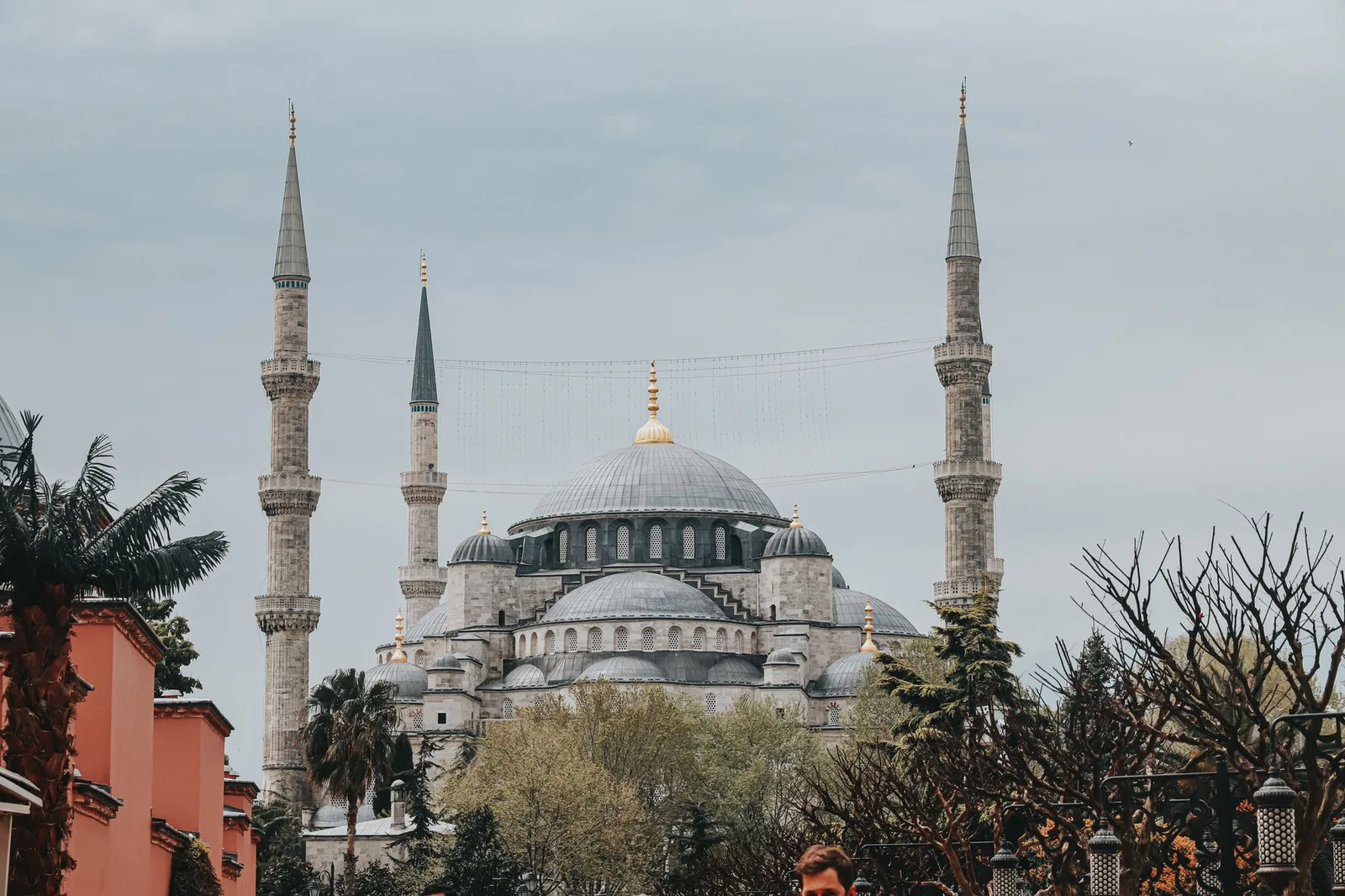
This realistic Turkey itinerary for 7 days maximizes your limited time by focusing on three iconic regions: historic Istanbul, the volcanic landscapes of Cappadocia, and the ancient ruins of Ephesus on the Aegean coast. By utilizing short domestic flights instead of long, exhausting overnight buses, you can experience world-class cultural sites without feeling constantly rushed. This guide provides step-by-step transit logistics, daily schedules, and practical tips to ensure a seamless, stress-free journey.
Planning a trip to Türkiye is an exercise in editing. The country spans over 780,000 square kilometers, bridging two continents and containing thousands of years of layered history. Trying to see the entire country in a single week is a recipe for travel burnout. Many travelers make the mistake of booking long, ten-hour bus rides that eat into their limited daylight hours, leaving them too exhausted to enjoy the destinations themselves.
To make a turkey itinerary 7 days long work effectively, you must rely on strategic geographical hubs and efficient domestic flights. This itinerary focuses on the absolute essentials: the Byzantine and Ottoman monuments of Istanbul, the surreal valleys of Cappadocia, and the monumental Roman ruins of Ephesus near Izmir. By following this route, you will spend your time exploring ancient streets and cave dwellings rather than staring out of a bus window on a highway.
Contents
- Key Takeaways
- The 7-Day Route Overview and Logistics
- Days 1-2: Istanbul's Historic Heart and Waterways
- Days 3-4: Cappadocia's Volcanic Valleys and Cave Dwellings
- Days 5-6: Ephesus and the Aegean Coastline
- Day 7: Return to Istanbul and Cultural Immersion
- Sample Itineraries
- Best Photo and Sunset Spots
- Common Mistakes to Avoid
- Frequently Asked Questions
Key Takeaways
- Fly, don't drive: Save up to 20 hours of travel time by taking domestic flights between Istanbul, Cappadocia, and Izmir instead of overnight buses.
- Pre-book attractions: Secure your Cappadocia hot air balloon slots and Istanbul museum passes at least three weeks in advance to avoid long ticket lines and sold-out excursions.
- Use public transit: Istanbul's tram (T1 line) and metro systems are significantly faster and cheaper than taxis, which frequently get stuck in dense historical peninsula traffic.
- Focus on regions: Limit your geographical footprint to three main hubs to ensure you spend more time sightseeing and less time packing and unpacking.
The 7-Day Route Overview and Logistics
To execute this itinerary smoothly, you need to understand the transit logistics between each hub. The route is structured as a loop-like sequence: Istanbul to Cappadocia, Cappadocia to the Aegean Coast (Izmir/Ephesus), and back to Istanbul for departure. This sequence minimizes backtrack travel and utilizes regional airports with high flight frequencies.
| Day | Location | Primary Activities | Transit Method | Cost Level |
|---|---|---|---|---|
| Days 1-2 | Istanbul | Hagia Sophia, Blue Mosque, Topkapi Palace, Grand Bazaar, Bosphorus ferry | Trams, walking, ferries | Budget to Mid-range |
| Days 3-4 | Cappadocia | Hot air ballooning, Goreme Open Air Museum, underground cities, hiking | Domestic flight, rental car/guided tour | Premium (balloons) / Budget (hiking) |
| Days 5-6 | Ephesus & Izmir Coast | Ruins of Ephesus, Terrace Houses, Sirince village, Aegean dining | Domestic flight, local train or taxi | Mid-range |
| Day 7 | Istanbul / Departure | Suleymaniye Mosque, Istiklal Street, souvenir shopping, flight home | Metro, international flight | Budget to Mid-range |
For your domestic flights, you will use Istanbul's two main airports: Istanbul Airport (IST) on the European side or Sabiha Gokcen Airport (SAW) on the Asian side. For Cappadocia, you can fly into either Nevsehir Kapadokya Airport (NAV) or Kayseri Erkilet Airport (ASR). Nevsehir is closer to the main tourist hub of Goreme (about 40 minutes), while Kayseri has more frequent, budget-friendly flights but requires a 75-minute shuttle ride. For Ephesus, your destination airport is Izmir Adnan Menderes Airport (ADB), which sits roughly an hour north of the ruins.
Days 1-2: Istanbul's Historic Heart and Waterways
Your journey begins in Istanbul, a city split across Europe and Asia by the Bosphorus Strait. To make the most of your first 48 hours, base yourself in the Sultanahmet neighborhood, which places the city's most famous historical monuments within short walking distance of each other.
Day 1: The Imperial Core of Sultanahmet
Start your morning at 08:30 AM at the Hagia Sophia. Originally built as a cathedral by Byzantine Emperor Justinian in the 6th century, it later became an Ottoman mosque, a museum, and is now an active mosque once again. Arriving early is critical to beat the tour bus crowds that begin forming by 09:30 AM. Foreign visitors must use the dedicated tourist entrance on the south side of the building. Dress modestly: shoulders and knees must be covered, and women must wear a headscarf (which can be purchased at the entrance if needed).
Directly opposite the Hagia Sophia sits the Sultan Ahmed Mosque, widely known as the Blue Mosque due to the tens of thousands of hand-painted Iznik tiles adorning its interior walls. Because it is an active house of worship, it closes to tourists during the five daily prayer times. Check the daily prayer schedule online before visiting to plan your entry during a non-prayer window.
After lunch, walk five minutes to the Basilica Cistern, an ancient underground water reservoir supported by 336 marble columns, many salvaged from ruined Roman temples. The most famous features are the two Medusa head pillar bases located in the northwest corner. The atmosphere inside is cool, damp, and dimly lit, offering a quiet respite from the midday heat above ground.
Day 2: Ottoman Palaces and the Bustling Bosphorus
Dedicate your second morning to Topkapi Palace, the administrative center and residence of the Ottoman sultans for nearly four centuries. The palace grounds are vast, consisting of four main courtyards, treasury rooms, and the highly recommended Harem section. The Harem requires an additional ticket but provides an intimate look at the private living quarters of the imperial family, decorated with exquisite tiles and gold leaf. Budget at least three hours to explore the entire complex thoroughly.
In the afternoon, escape the historic peninsula by walking down to the Eminonu ferry docks. Avoid the expensive private tourist cruises; instead, board a public Sehir Hatlari ferry heading to Uskudar on the Asian side or simply take a circular Bosphorus cruise from the Eminonu pier. The public ferries provide the same panoramic views of the Dolmabahce Palace, medieval fortresses, and waterfront mansions at a fraction of the cost. Enjoy a glass of traditional Turkish tea (cay) on the deck as seagulls glide alongside the vessel.
Conclude your evening in the neighborhood of Karakoy. This district is filled with restored historic buildings housing modern cafes, art galleries, and traditional fish restaurants. It offers a stark, contemporary contrast to the ancient stone monuments of Sultanahmet.
Days 3-4: Cappadocia's Volcanic Valleys and Cave Dwellings
On the morning of Day 3, take an early domestic flight from Istanbul to Nevsehir or Kayseri. Arrange a shared airport shuttle through your hotel ahead of time to meet you at the arrivals gate. This is the most seamless way to reach Goreme, the central village of Cappadocia known for its surrounding "fairy chimney" rock formations.
Day 3: Exploring the Open-Air Museum and Underground Cities
Once you check into your cave hotel—a unique accommodation style carved directly into the soft volcanic tufa rock—head to the Goreme Open Air Museum. This UNESCO World Heritage site contains a dense collection of rock-cut churches, chapels, and monasteries dating back to the 10th to 12th centuries. The interiors are adorned with remarkably preserved Byzantine frescoes. Do not miss the Dark Church (Karanlik Kilise); it requires a small extra entry fee, but because its windows are minimal, the lack of light has preserved the biblical frescoes in incredibly vibrant blues and golds.
In the afternoon, travel south to either Derinkuyu or Kaymakli Underground City. These multi-level subterranean complexes were carved out of the earth by early Christians as hiding places during periods of foreign invasion. Derinkuyu descends nearly 85 meters into the earth, featuring ventilation shafts, stables, churches, and massive rolling stone doors designed to seal off tunnels from intruders. Note that the tunnels can be narrow, low, and claustrophobic; if you are uncomfortable in tight spaces, consider exploring the surface trails of the Red Valley instead.
Day 4: Hot Air Balloons and Valley Hiking
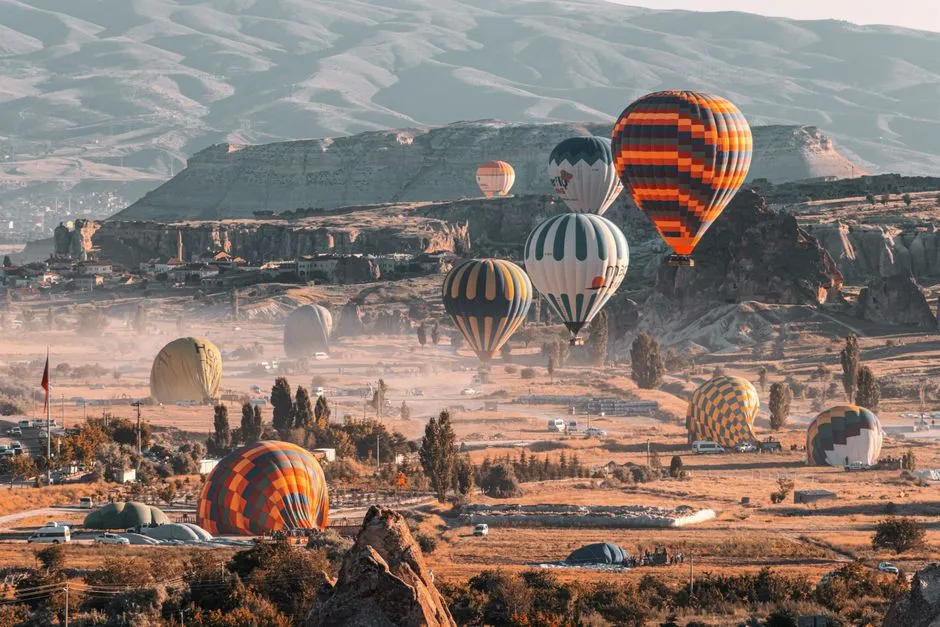
Your fourth day begins before dawn. Cappadocia is one of the world's premier destinations for hot air ballooning due to its stable wind conditions and dramatic topography. Balloon companies pick you up from your hotel around 05:00 AM (depending on the season) and transport you to the launch sites. As the sun rises, you will float alongside hundreds of other colorful balloons over the surreal ridges of Love Valley and Rose Valley.
Because balloon flights are strictly dependent on wind speeds, civil aviation authorities can cancel flights at the last minute for safety. This is why it is vital to book your flight for your very first morning in Cappadocia; if it is cancelled, the operators will attempt to reschedule you for the following morning.
Spend the afternoon hiking through the Red and Rose Valleys. The trails here are moderately easy and wind through orchards, vineyards, and abandoned rock churches. The rock formations glow in shades of pink, yellow, and deep red, particularly as the afternoon sun begins to dip toward the horizon.
Days 5-6: Ephesus and the Aegean Coastline
On Day 5, take a direct flight from Kayseri or Nevsehir to Izmir. During the summer season, direct flights are common; during the winter off-season, you may need to transit through Istanbul. From Izmir Airport, you can rent a car, take the regional TCDD train south to Selcuk (the base town for Ephesus), or hire a private transfer.
Day 5: The Monumental Ruins of Ephesus
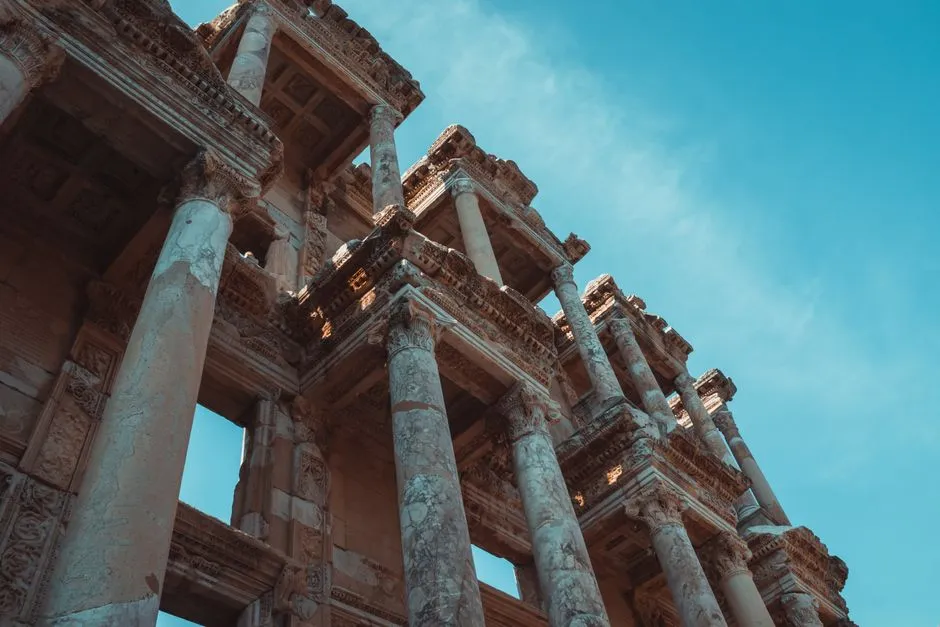
Ephesus was once an influential Roman port city home to over 250,000 residents. Start your exploration at the upper gate of the archaeological site to ensure you walk downhill through the ruins rather than uphill. The crowning jewel of the site is the Library of Celsus, built in the 2nd century AD. Its monumental two-story facade has been painstakingly reconstructed from original architectural fragments.
While inside the archaeological zone, pay the additional entry fee to see the Terrace Houses. These are the residential villas of Ephesus's wealthy elite, protected under a modern protective canopy. Here, archaeologists are actively restoring intricate floor mosaics and wall frescoes that depict mythological scenes. Walking along the elevated glass pathways gives you an intimate look at the ancient underfloor heating systems and private courtyards, offering a vivid picture of Roman daily life.
After visiting the main ruins, head into the small town of Selcuk to visit the remains of the Temple of Artemis, once one of the Seven Wonders of the Ancient World. Today, only a single reconstructed column stands in a quiet marshy field, but the site offers a contemplative space to reflect on the passage of time. Follow this with a visit to the Ephesus Archaeological Museum in Selcuk, which houses the incredible multi-breasted statues of Artemis recovered from the temple site.
Day 6: The Village of Sirince and Aegean Flavors
On your second day on the coast, travel up into the hills above Selcuk to the historic village of Sirince. Originally a Greek Orthodox village, Sirince is famous for its whitewashed stone houses, narrow cobblestone streets, and local fruit wines. Spend your morning wandering the quiet alleyways before the day-trippers arrive from the cruise ports of Kusadasi.
For lunch, find a local garden restaurant serving Aegean meze. Unlike the meat-heavy cuisine of central Anatolia, Aegean food relies heavily on wild greens, olive oil, fresh herbs, and garlic. Try dishes like stuffed zucchini flowers, sea beans in olive oil, and fresh local cheeses.
In the afternoon, make your way back toward the coast. If you enjoy coastal views, visit the seaside town of Kusadasi or take a quiet walk through the Dilek Peninsula National Park, where pine forests meet the clear waters of the Aegean Sea. This region offers a relaxed, Mediterranean pace of life that contrasts beautifully with the bustling energy of Istanbul.
Routevia shows you the best places to visit across Türkiye city by city, then plans an AI-powered route in seconds.
Day 7: Return to Istanbul and Cultural Immersion
Take a morning flight from Izmir back to Istanbul to complete your travel loop. Use your final day to explore the vibrant neighborhoods on the European side of the city that you missed during your first two days.
Afternoon: Suleymaniye Mosque and Istiklal Street
Instead of returning to the crowded Grand Bazaar, visit the Suleymaniye Mosque. Designed by the legendary Ottoman architect Mimar Sinan in the 16th century, this imperial mosque sits atop one of Istanbul's seven hills, offering panoramic views of the Golden Horn and the Bosphorus. The interior is characterized by its grand scale, elegant simplicity, and masterful use of natural light. The outer courtyard features a quiet garden and the tombs of Sultan Suleiman the Magnificent and his influential wife, Hurrem Sultan.
Next, cross the Galata Bridge—where local anglers line the railings day and night—and take the historic Tünel funicular railway up to Istiklal Street in Beyoglu. This pedestrian avenue is the modern beating heart of Istanbul, lined with late-Ottoman era buildings, embassies, shops, and historic passages. A vintage red tram rattles down the center of the street, adding to the nostalgic atmosphere.
As you walk down Istiklal, make a detour into the historic Flower Passage (Cicek Pasaji) or stop by a traditional confectionery to purchase high-quality Turkish delight (lokum) and roasted Turkish coffee beans to take home. For your final dinner, book a table at a traditional meyhane (tavern) in the Nevizade area to enjoy a slow meal of cold mezes, grilled fish, and traditional anise-flavored raki, celebrating the end of an intensive but deeply rewarding week.
Sample Itineraries
To help you visualize the daily flow of this fast-paced trip, here are structured, hour-by-hour breakdowns for key days of the route.
Sample 1-Day Istanbul Historic Peninsula Itinerary
- 08:15 AM - 08:30 AM: Arrive at the Hagia Sophia tourist entrance to beat the main morning queues.
- 08:30 AM - 10:00 AM: Explore the interior of Hagia Sophia, focusing on the upper gallery mosaics and imperial dome.
- 10:15 AM - 11:30 AM: Walk across the Sultanahmet Square park to visit the Blue Mosque. Note: ensure you check prayer times beforehand.
- 11:45 AM - 01:00 PM: Descend into the Basilica Cistern to view the Medusa pillars and the subterranean art installations.
- 01:00 PM - 02:15 PM: Lunch at a traditional kofte (meatball) restaurant near the tram stop, enjoying historic recipes unchanged for a century.
- 02:30 PM - 05:00 PM: Walk to the Grand Bazaar. Enter through Gate 1 (Nuruosmaniye) and wander the historic vaulted lanes, focusing on the antique section (Iceliler Bedesteni).
- 05:30 PM - 07:00 PM: Take the T1 tram to Eminonu and board a sunset ferry across the Golden Horn to catch the evening light bouncing off the city's minarets.
Sample 2-Day Cappadocia Adventure Itinerary
Day 1: Valleys and Underground Wonders
- 09:00 AM - 11:30 AM: Visit the Goreme Open Air Museum. Start with the Nunnery and work your way clockwise to the Dark Church.
- 12:00 PM - 01:30 PM: Lunch in the town of Avanos, famous for its red-clay pottery. Watch a live demonstration at a local workshop.
- 02:00 PM - 04:00 PM: Drive south to Kaymakli Underground City. Hire a licensed local guide at the entrance to navigate the low-ceilinged chambers safely.
- 04:30 PM - 06:30 PM: Hike through Devrent Valley (Imagination Valley) to see unique rock structures resembling animals, then watch the sunset from the Uchisar Castle viewpoint.
Day 2: Sky and Earth
- 05:00 AM - 08:00 AM: Hot air balloon flight experience, including hotel transfers and a light pre-flight breakfast.
- 08:30 AM - 10:30 AM: Return to the hotel for a hearty Turkish breakfast and a short rest.
- 11:00 AM - 02:00 PM: Moderate hike through Love Valley, marveling at the towering pillar formations. Bring plenty of water and sun protection.
- 02:30 PM - 05:00 PM: Visit the quiet town of Mustafapasa, an old Greek town containing beautiful stone facades and historic mansions.
Best Photo and Sunset Spots
Capturing the dramatic landscapes of Türkiye requires knowing exactly where to go as the light changes. Here are the top locations for photography along this route:
1. Ortahisar Castle Viewpoint (Cappadocia)
Timing: Golden Hour (just before sunset).
Why it works: While most crowds head to Uchisar Castle, the viewpoint facing Ortahisar offers a dramatic view of a towering rock citadel surrounded by traditional stone homes. The low evening sun casts long shadows across the valley, bringing out the golden hues of the volcanic rock.
2. Galata Bridge Lower Deck (Istanbul)
Timing: Blue Hour (immediately after sunset).
Why it works: Position yourself along the lower walkway of the Galata Bridge. You can capture the silhouettes of the historic ferries gliding across the Golden Horn, with the illuminated Suleymaniye and New Mosques crowning the hills in the background.
3. The Library of Celsus from the Curetes Street Steps (Ephesus)
Timing: Late Afternoon (around 04:30 PM in summer).
Why it works: Most tour groups visit Ephesus in the morning. By late afternoon, the crowd thins significantly, and the warm sun hits the marble facade of the Library of Celsus directly, turning the stone a rich amber hue.
4. Lovers Hill / Sunset Point in Goreme (Cappadocia)
Timing: Sunrise (05:30 AM - 06:30 AM).
Why it works: This easily accessible hill directly above Goreme village offers a 360-degree view of the valley. It is the perfect spot to photograph the hot air balloons rising directly out of the valleys as the first light hits the town.
Common Mistakes to Avoid
A short trip leaves very little margin for error. Avoid these common pitfalls to keep your journey smooth, safe, and cost-effective:
- Relying entirely on cash or cards: While credit cards are widely accepted in major cities, you will need cash (Turkish Lira) for small purchases like public transit cards, public restrooms, street food, and tips. Always keep a small amount of cash on hand.
- Taking unlicensed street taxis in Istanbul: Taxi scams remain common in heavy tourist zones. Taxis may claim their meter is broken or take longer routes. Always use transit apps or have your hotel call a reliable taxi. Better yet, stick to the highly efficient tram and metro lines.
- Failing to buy the Museum Pass: The Museum Pass Türkiye can save you significant time and money if you plan to visit multiple state-run sites like Topkapi Palace, Ephesus, and the Goreme Open Air Museum. It allows you to bypass the main ticket-buying lines at these major attractions.
- Booking tight flight layovers: Istanbul's airports are massive. If you are booking separate domestic and international flights on different tickets, ensure you have at least a 3-hour window. Walking from one gate to another in Istanbul Airport (IST) can take upwards of 25 minutes alone.
- Underestimating the temperature drops in Cappadocia: Because of its high altitude and desert-like climate, Cappadocia can be incredibly cold in the early mornings, even during the summer. If you are doing a sunrise balloon flight, bring a light jacket, long pants, and closed-toe shoes.
Frequently Asked Questions
Is 7 days really enough time to see Turkey?
While you cannot see the entire country, a 7-day trip is absolutely enough to experience the three most iconic regions: Istanbul, Cappadocia, and Ephesus. The key is using domestic flights instead of long-distance buses. By planning your transport carefully and sticking to a focused itinerary, you can enjoy a deeply satisfying trip without feeling like you are constantly in transit.
How do I travel between Istanbul, Cappadocia, and Ephesus?
The most efficient method is flying. For this itinerary, you would fly from Istanbul (IST or SAW) to Nevsehir (NAV) or Kayseri (ASR) for Cappadocia. From Cappadocia, you fly to Izmir (ADB) to access Ephesus, and finally fly from Izmir back to Istanbul. These flights are short (usually around 1 to 1.5 hours) and highly affordable when booked in advance through local carriers like Turkish Airlines or Pegasus Airlines.
What is the best time of year to do this 7-day Turkey itinerary?
The ideal times to visit are the shoulder seasons of spring (April to May) and autumn (September to October). During these months, the weather is pleasant for walking around ancient ruins and hiking in the valleys, and you will avoid both the intense summer heat and the winter snows which can ground hot air balloons in Cappadocia.
Do I need a visa to visit Turkey for a week?
Visa requirements vary depending on your nationality. Many passport holders, including citizens of the UK, EU, and several other nations, can enter Türkiye visa-free for tourism. Citizens of countries like the US and Canada can easily obtain an e-Visa online prior to departure through the official government website. Always verify current entry requirements with official diplomatic sources before booking travel.
Can I do this itinerary using only public transport?
Yes, it is entirely possible. Istanbul has an exceptional public transit network of trams, metros, and ferries. In Ephesus, you can use local minibuses (called dolmus) that run regularly between the town of Selcuk, the ruins, and nearby Sirince village. Cappadocia is the only area where public transit is sparse; there, you can rely on affordable guided day tours (commonly called the Red and Green tours) or hire a local taxi for the day.
Is it safe to travel to Turkey as a solo traveler?
Türkiye is generally very safe for solo travelers, including solo women. Violent crime rates are low in tourist areas. The most common issues are tourist-focused scams, aggressive street vendors, and pickpocketing in crowded markets. By staying aware of your surroundings, using official transit options, and respecting local customs, you can enjoy a safe and highly rewarding solo journey.
A week in Türkiye is a sensory journey through ancient empires, dramatic natural landscapes, and rich culinary traditions. By utilizing efficient domestic flights and prioritizing the country's most significant cultural hubs, this 7-day itinerary ensures you spend your precious vacation hours exploring rather than waiting. Prepare your senses for the sights of historic minarets, the sounds of bustling bazaars, and the quiet beauty of volcanic valleys glowing under a sunrise sky.

Independent Full Stack Developer · Founder of Tabserve
Aycan builds and maintains Tabserve's apps — OneBag, Routevia and RentFlow — and writes practical, tested guides to help you pack smarter and travel better.