The Ultimate Turkish Food Guide for Travellers: A Regional Culinary Journey
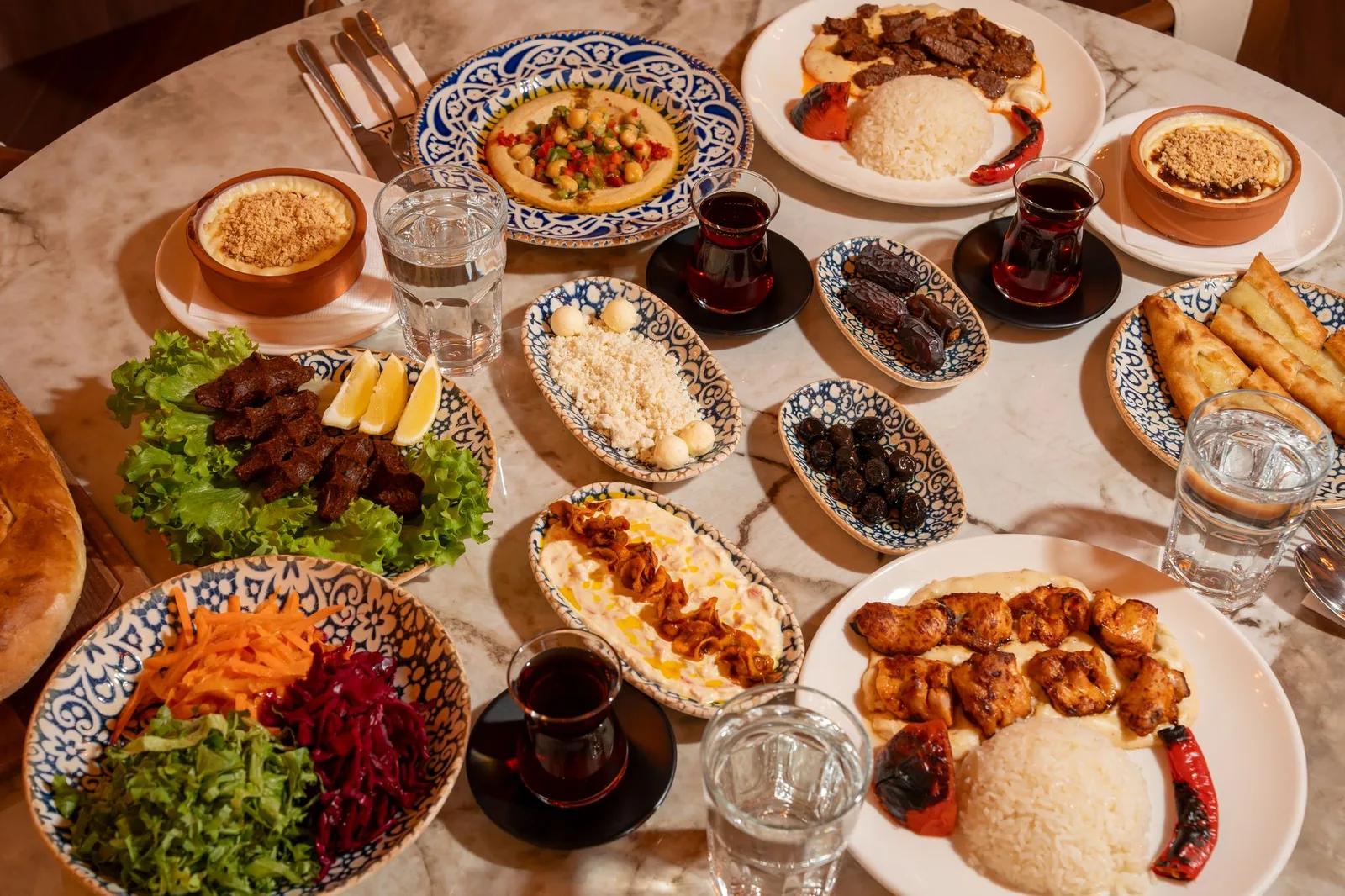
This comprehensive culinary guide maps out Turkey's distinct regional food landscapes, moving far beyond the standard donor kebab. From the olive-oil-drenched Aegean coast to the fiery, spice-laden plains of the Southeast, we outline exactly what to order and where. Learn how to navigate local menus, avoid common tourist traps, and structure your food journey with practical itineraries and tips.
Contents
Turkish cuisine is one of the most diverse and historically rich culinary traditions in the world. Shaped by centuries of Ottoman fusion, migration, and varied microclimates, the food changes dramatically every few hundred kilometres. To truly experience the country, you must approach it with an appetite and a regional roadmap. This Turkish food guide for travellers will take you through the essential dishes, cooking styles, and local customs that define the nation's tables.
Key Takeaways
- Turkish food is highly regional; Aegean focus is on olive oil and herbs, while the Southeast dominates in spiced meats and kebabs.
- Always look for specialized eateries like "Esnaf Lokantası" (tradesmen restaurants) for high-quality, budget-friendly, authentic stews.
- Do not skip regional breakfast culture (Serpme Kahvaltı), which varies significantly between the Aegean coast and the eastern province of Van.
- Use digital tools and route planners to locate historic, family-run eateries that sit tucked away from the main tourist strips.
Understanding the Regional Culinary Map of Turkey
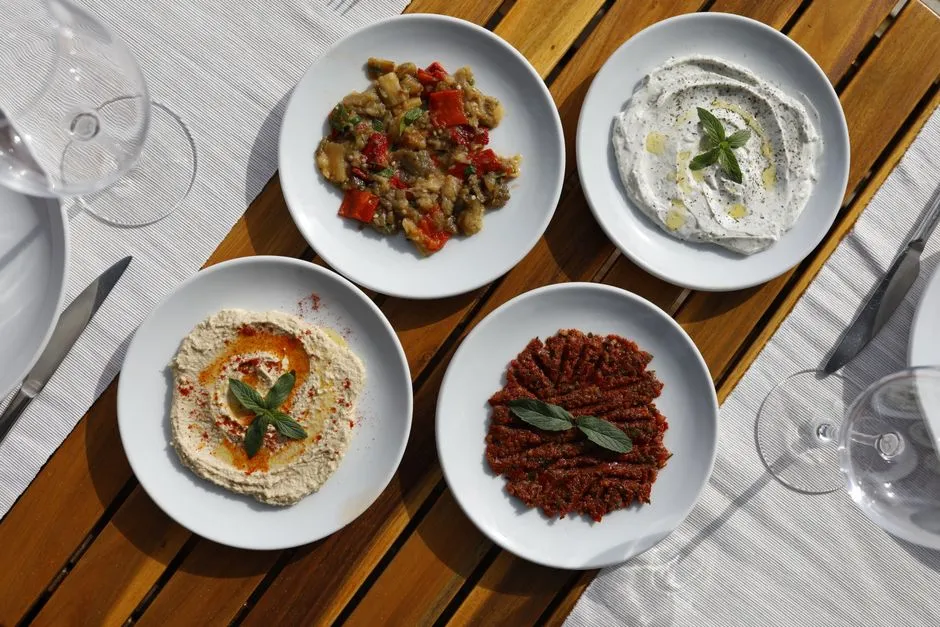
Many visitors arrive expecting a uniform menu of grilled meats and baklava. In reality, Turkey is divided into distinct culinary zones. The coastal West relies heavily on Aegean herbs, artichokes, and cold olive oil dishes (zeytinyağlılar). The Black Sea region utilizes cornmeal, kale, and anchovies. Central Anatolia is the heartland of grain, legume-based soups, and dough-based dishes like manti. The Southeast is the undisputed capital of spicy kebabs, rich lamb stews, and pistachio-laden desserts.
The Aegean and Mediterranean Coast: Olive Oil and Wild Greens
Along the western and southern coasts, the climate supports vast olive groves and wild flora. Here, meals start with cold meze plates where vegetables are cooked slowly in olive oil and served at room temperature.
Must-Try Aegean Dishes
- Zeytinyağlı Enginar: Whole artichoke bottoms simmered with olive oil, peas, carrots, and potatoes, served cold with fresh dill.
- Şevketi Bostan: Blessed thistle cooked with lamb or simply sautéed with garlic and lemon juice.
- Kabak Çiçeği Dolması: Delicate zucchini blossoms stuffed with spiced rice, currants, and pine nuts, harvested at dawn before the flowers close.
The Southeastern Anatolian Feast: Spices, Kebabs, and Pistachios
Cities like Gaziantep, Şanlıurfa, and Hatay are UNESCO-recognized creative cities of gastronomy. The food here is intense, utilizing hot Aleppo pepper, sour pomegranate molasses, and slow-roasted lamb.
Must-Try Southeastern Dishes
- Ali Nazik Kebab: Tender grilled lamb cubes served over a warm bed of smoked, pureed eggplant mixed with garlic strained yogurt.
- İçli Köfte: A crispy bulgur shell stuffed with minced spiced lamb, walnuts, and onions, either boiled or deep-fried.
- Künefe: A dessert made of shredded wheat (kadayıf) sandwiching unsalted, melting cheese, baked in a copper pan and soaked in sweet syrup, topped with ground green pistachios.
The Black Sea (Karadeniz): Butter, Cornmeal, and Anchovies
The damp, rainy northern coast produces rich dairy, hazelnuts, and a unique sub-culture centered around "hamsi" (Black Sea anchovies).
Must-Try Black Sea Dishes
- Muhlama (or Kuymak): A rich, fondue-like dish made of coarse cornmeal cooked with local butter and melted stringy Kolot cheese, eaten hot by dipping crusty bread.
- Hamsili Pilav: A baked rice dish spiced with herbs, pine nuts, and currants, completely encased in a crust of fresh, deboned anchovy fillets.
- Karadeniz Pidesi: Boat-shaped flatbreads baked in wood-fired ovens, stuffed with minced meat, cheese, and topped with a raw egg yolk and a generous slab of local butter.
A Comparison of Turkish Dining Establishments
To eat well, you must know where to go. Different types of venues specialize in different styles of food. This table breaks down the main options you will encounter during your travels.
| Establishment Type | Typical Service Style | Cost Level | Best For |
|---|---|---|---|
| Esnaf Lokantası | Cafeteria-style steam table; point and choose | Budget | Home-style stews, soups, and olive oil dishes |
| Kebapçı | Table service; focused on grilled meats | Mid-range to Premium | Adana kebab, grilled skewers, and hot flatbreads |
| Meyhane | Slow-paced sit-down; multiple cold/hot meze courses | Premium | Seafood, raki pairing, and social dining |
| Börekçi | Counter service; quick takeaway or basic seating | Budget | Savory pastries, su böreği, and morning tea |
Routevia shows you the best places to visit across Türkiye city by city, then plans an AI-powered route in seconds.
Sample Culinary Itineraries
To experience the best of these flavours, structure your days around specific dining hours. These itineraries are designed to help you maximize your tasting opportunities without feeling overwhelmed.
1-Day Istanbul Historic Peninsula Food Route
- 09:00 - Morning: Start with a traditional breakfast at a local dairy shop (Şarküteri) in Karaköy. Order fresh "bal-kaymak" (clotted water buffalo cream drizzled with wild honey) served with warm, crusty pide bread and black tea.
- 11:30 - Mid-day Snack: Walk across the Galata Bridge to Eminönü. Find a street vendor selling "turşu suyu" (pickled vegetable juice with pickled cabbage and cucumbers) to cleanse your palate.
- 13:00 - Lunch: Head to a historic Esnaf Lokantası near the Grand Bazaar. Choose "kuru fasulye" (slow-cooked white beans in a rich tomato and butter sauce) served alongside buttery pilaf and cold "cacık" (cucumber-garlic yogurt).
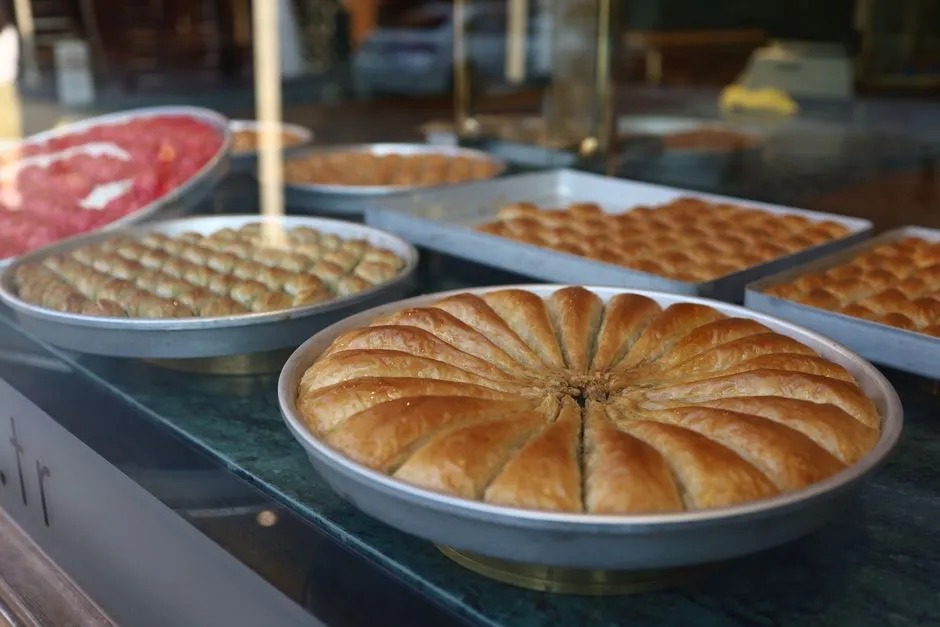
- 16:00 - Afternoon Tea & Dessert: Visit a historic confectionery in Sirkeci. Try "aşure" (Noah's pudding made of grains, dried fruits, and nuts) or a plate of classic walnut baklava.
- 19:30 - Dinner: Book a table at a traditional Meyhane in Beyoğlu. Order five cold mezes (including roasted eggplant salad and samphire in olive oil), one hot meze (like grilled octopus or warm hummus with pastırma), and share a small bottle of anise-flavored rakı.
2-Day Aegean Coastal Food Route (Izmir & Alaçatı)
Day 1: Izmir City Center
- 08:30 - Breakfast: Buy a warm "boyoz" (a flaky, oily Sephardic Jewish pastry unique to Izmir) from a street cart, paired with a hard-boiled egg dusted with black pepper, and eat it by the seaside Kordon.
- 12:30 - Lunch: Visit Kemeraltı Bazaar. Seek out a small stall specializing in "Söğüş"—chilled, spiced lamb tongue, cheek, and brain chopped finely with fresh parsley, tomatoes, and onions, wrapped in flatbread.
- 15:30 - Sweet Break: Try "Şambali", a dense, syrup-soaked semolina cake topped with a single almond, baked in large rectangular trays.
- 20:00 - Dinner: Dine at a coastal fish restaurant along the bay. Order sea bass cooked in salt and a plate of warm "deniz börülcesi" (samphire) dressed in olive oil and crushed garlic.
Day 2: Alaçatı and Çeşme Peninsula
- 09:30 - Breakfast: Sit down for a full Aegean spread featuring local green olives, cured goat cheeses, homemade mastic jam, and fresh garden tomatoes drizzled with early-harvest olive oil.
- 13:30 - Lunch: Order "Kumru", a warm sandwich made with a unique chickpea-yeast bread roll, stuffed with grilled Izmir tulum cheese, spicy sucuk sausage, and tomatoes.
- 17:00 - Snack: Sample fresh, cold stuffed mussels (midye dolma) squeezed with fresh lemon juice from a reputable vendor near the harbor.
- 20:30 - Dinner: Visit a herb-focused tavern in the stone-walled alleys of Alaçatı. Focus entirely on wild greens like chicory, nettle, and wild radish leaves dressed in lemon and olive oil.
Best Photo & Sunset Spots for Food Lovers
Capturing the visual beauty of Turkish food culture is a major part of the travel experience. Here are the best spots to photograph your culinary journey:
- Eminönü Ferry Docks (Istanbul): Capture the classic wooden boats frying mackerel for "balık ekmek" (fish sandwiches) against the silhouette of the Süleymaniye Mosque at sunset (best photographed between 17:30 and 19:00 depending on the season).
- Gaziantep Elmacı Pazarı: Photograph the vibrant, hanging dried eggplants, red peppers, and mounds of green pistachios. The natural morning light filtering through the historic wooden roof at 10:00 creates rich, warm tones.
- The Historical Kadıköy Tuesday Market: Capture the sheer abundance of seasonal produce, fresh cheeses, and herbs. Arrive around 09:00 before the crowds build up to get clean, wide-angle shots of the colourful stalls.
- Galata Bridge Rooftops: Enjoy a glass of Turkish tea in a tulip-shaped glass held against the backdrop of the Golden Horn at golden hour (approximately 30 minutes before sunset).
Common Mistakes to Avoid
- Eating only at tourist-facing restaurants: Establishments located directly opposite major monuments like the Blue Mosque often serve bland, overpriced, and industrialized versions of Turkish classics. Walk three blocks away into local residential or commercial streets to find authentic quality.
- Assuming all kebabs are the same: Do not just order "kebab." Specify whether you want the spicy, hand-minced Adana kebab, the milder Urfa kebab, or the tomato-sauce-drenched Iskender kebab. Each has its own strict preparation rules and traditional side dishes.
- Ignoring the seasonal calendar: Do not order artichokes in winter or pumpkin desserts in mid-summer. Turkish cuisine relies on strict seasonality; eating dishes out of season means you are getting imported or preserved ingredients rather than fresh, local produce.
- Using a fork for street food: Foods like lahmacun (thin, crispy dough topped with minced meat and herbs) and dürüm (wraps) are designed to be eaten with your hands. Roll them up tightly, squeeze fresh lemon inside, and eat them directly. Using cutlery ruins the structural integrity of the dish.
- Skipping the water served with Turkish coffee: The small glass of water served alongside your Turkish coffee is not just a gesture of hospitality. It is meant to be drunk before the coffee to cleanse your palate, allowing you to taste the full complexity of the roast.
Frequently Asked Questions
What is the most popular food in Turkey?
While kebabs are internationally famous, the most common daily meal cooked in Turkish homes and eaten at local lunch spots is "Kuru Fasulye" (slow-cooked white beans) served with "Pilav" (buttery rice). On the street level, "Simit" (a sesame-crusted circular bread) is the most widely consumed snack.
Is Turkish food spicy?
Most Turkish food is not spicy-hot, but rather highly flavorful due to herbs like oregano, mint, and cumin. However, the food of the Southeastern region (cities like Şanlıurfa and Gaziantep) features significant heat from red pepper flakes, isot pepper, and fresh chilis.
What should vegetarians eat in Turkey?
Turkey is incredibly friendly for vegetarians. Look for "Zeytinyağlılar" (dishes cooked in olive oil) on any menu. Excellent options include "İmam Bayıldı" (stuffed eggplant), "Mücver" (zucchini fritters), and "Mercimek Köftesi" (lentil and bulgur patties), which are naturally meat-free and highly flavorful.
What is a traditional Turkish breakfast?
A traditional breakfast (Serpme Kahvaltı) is a communal feast consisting of multiple small plates. It typically includes several types of olives, cured cheeses (like Tulum and Beyaz Peynir), fresh tomatoes, cucumbers, clotted cream with honey, eggs (often cooked with spicy sausage as "Sucuklu Yumurta"), and endless glasses of black tea.
How do I find authentic local restaurants?
Look for signs that say "Esnaf Lokantası" (tradesmen's restaurant). These venues cater to local workers rather than tourists, offering high-quality, freshly made stews and vegetable dishes at reasonable prices. They usually display their food behind a glass counter where you can point to what you want.
Is tap water safe to drink in Turkey?
While tap water in major cities like Istanbul and Ankara is treated and safe for sanitation, locals generally do not drink it because of the strong chlorine taste and old piping systems. It is best to stick to bottled or filtered water, which is cheap and widely available everywhere.
What is the etiquette for tipping in Turkish restaurants?
In casual eateries and street food stalls, tipping is not strictly expected, though leaving small change is appreciated. In mid-range to high-end restaurants, a tip of 10% of the bill is standard. Some upscale venues may add a 10-15% service charge (servis ücreti) directly to the bill, so check before paying.
Embarking on a culinary journey through Turkey requires curiosity, a willingness to step away from tourist centers, and an appetite for bold, fresh ingredients. By understanding the regional specialties and seeking out specialized local eateries, you will discover that Turkish food is a complex tapestry of history, geography, and deep-seated hospitality. For detailed historical background on these culinary traditions, you can explore the rich history of Turkish cuisine on Wikipedia, or consult the official Go Türkiye tourism portal for regional travel updates.

Independent Full Stack Developer · Founder of Tabserve
Aycan builds and maintains Tabserve's apps — OneBag, Routevia and RentFlow — and writes practical, tested guides to help you pack smarter, travel better and manage rentals with less hassle.