How to Write a Lease Agreement: Key Clauses Every Landlord Needs
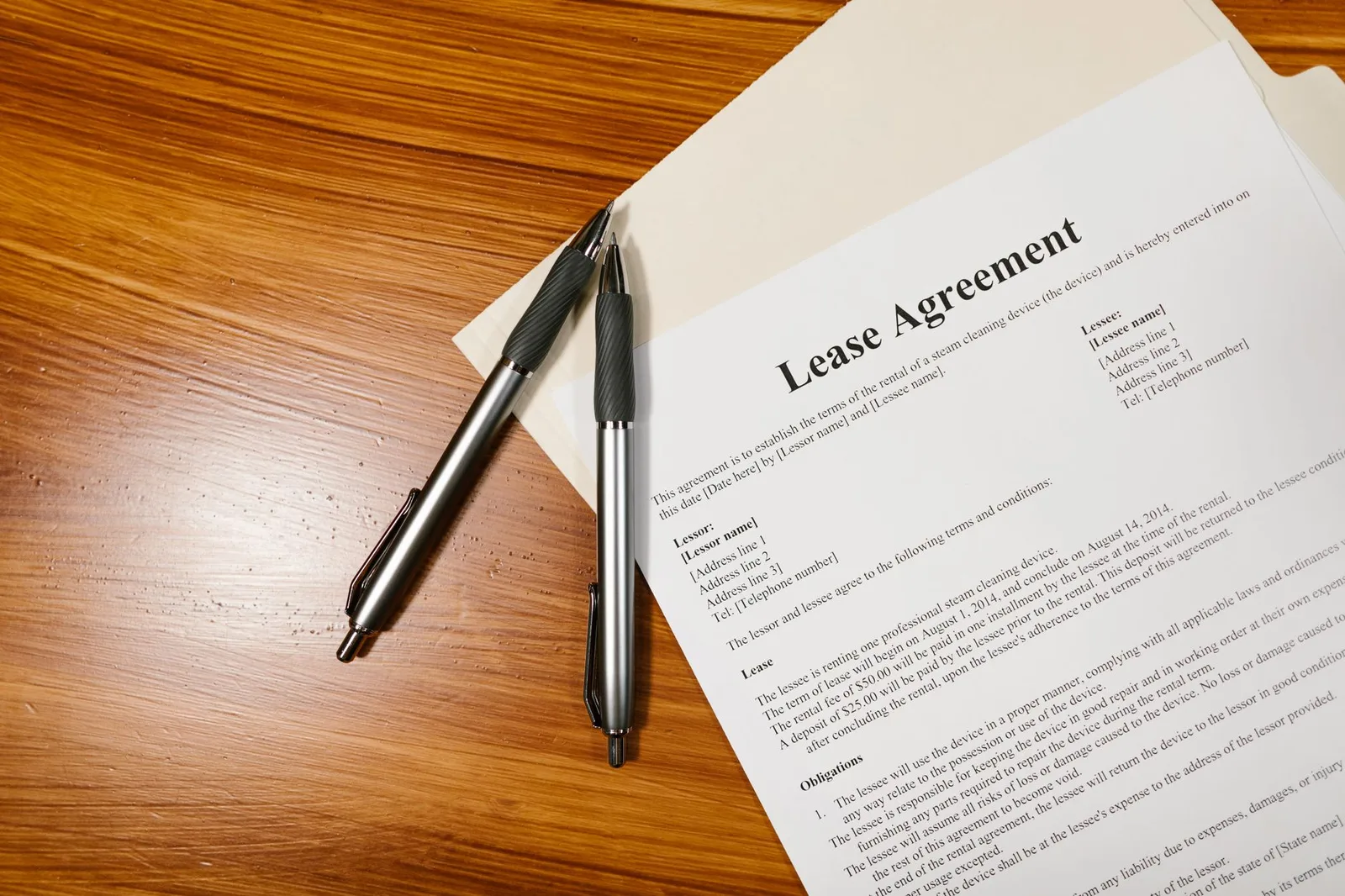
Learning how to write a lease agreement is essential for protecting your rental property and establishing a transparent relationship with your tenants. A legally binding contract must define the parties, specify rent and deposit terms, and outline maintenance responsibilities. By incorporating enforceable clauses and avoiding common regulatory pitfalls, you can safeguard your cash flow and minimize legal disputes.
Contents
Drafting a comprehensive residential lease is one of the most critical tasks you will undertake as a property owner. A well-constructed contract acts as a legal shield, protecting your financial investment and setting clear boundaries for your tenants. Conversely, a poorly written agreement can lead to costly evictions, property damage, and protracted legal battles that destroy your rental yield.
Whether you call it a home rental contract, a residential lease, or a tenancy agreement, the clauses below apply the same way — this guide doubles as a practical template for writing one from scratch.
Key Takeaways
- Always identify every adult occupant as a co-tenant to ensure joint and several liability.
- Clearly define the exact date, method, and late fees associated with rent payments.
- Specify precise rules for security deposit returns in strict accordance with your state laws.
- Establish clear boundaries for property maintenance, repairs, and landlord entry rights.
Understanding the Basics of a Rental Contract
Before putting pen to paper, you must understand what a lease agreement actually is. At its core, a lease is a legally binding contract between a landlord and a tenant that grants temporary occupancy of a property in exchange for financial compensation. To make this document enforceable, it must comply with federal, state, and local landlord-tenant laws.
Lease vs. Rental Agreement
While often used interchangeably, these terms have distinct legal meanings based on duration:
- Lease Agreement: Typically covers a fixed term, such as 6 or 12 months. The terms of the agreement, including rent price, cannot be changed during this period unless both parties agree in writing.
- Rental Agreement: Usually operates on a month-to-month basis. It automatically renews at the end of each month unless terminated by either party with proper written notice (usually 30 days).
Essential Clauses for Every Residential Lease
When figuring out how to write a lease agreement, certain foundational elements must be included to ensure the document is legally valid. Omitting these basic details can render your contract useless in a small claims court.
1. Identification of the Parties and the Property
The lease must clearly state the full legal names of the landlord and all adult occupants living in the property. Listing every adult as a tenant is crucial because it establishes "joint and several liability." This legal concept means each tenant is individually responsible for the full rent payment and any damage caused to the property.
Additionally, provide the complete physical address of the rental unit, including any specific apartment or suite numbers, parking spaces, and storage units included in the rental.
2. Term of the Tenancy
Specify the exact start and end dates of the lease agreement. If the lease automatically transitions to a month-to-month arrangement after the initial term expires, state this explicitly. Clear dates prevent misunderstandings regarding when the tenant is expected to vacate or renew.
3. Rent, Deposits, and Fees
This section must be incredibly detailed to protect your monthly cash flow. Ensure you clearly define:
- The exact monthly rent amount.
- The due date (typically the first of the month).
- Acceptable payment methods (e.g., electronic bank transfer, online portal).
- Late fees, including when they apply and the exact grace period (if required by local law).
- Bounced check fees.
Security Deposit Terms
Security deposits are a frequent source of legal friction. To protect yourself, outline the exact amount of the deposit, where the funds will be held (some states require a separate interest-bearing escrow account), and the conditions under which the deposit will be refunded or withheld. Refer to the Wikipedia page on landlord-tenant law to understand the statutory limits on deposit amounts in your region.

RentFlow lets you track rent, tenants, leases and expenses without spreadsheets — plus free calculators for rental yield, cash flow and legal rent increases across 18 countries.
Advanced Clauses to Protect Your Cash Flow
Beyond the basics, a robust lease agreement contains protective clauses that shield your investment from unexpected liabilities and maintain the property's long-term value.
Maintenance, Repairs, and Alterations
Clearly delineate who is responsible for what. Generally, landlords are legally obligated to maintain a habitable living space (heating, plumbing, structural integrity). However, tenants should be held responsible for maintaining cleanliness, disposing of trash, and repairing any damage caused by their abuse or neglect.
Reporting Property Damage
Include a clause requiring tenants to immediately report any leaks, mold, or structural issues. Failure to report minor water damage can lead to catastrophic repair costs, and holding the tenant liable for failing to notify you can save thousands of dollars.
No Unauthorized Alterations
Explicitly prohibit tenants from painting, changing locks, or making structural modifications to the property without your prior written consent.
Landlord's Right of Entry
You cannot enter the rental property whenever you please, as tenants have a legal right to quiet enjoyment. State the exact circumstances under which you may enter (e.g., routine inspections, repairs, showing the property to prospective renters) and the amount of advance notice you will provide (usually 24 or 48 hours, except in emergencies).
How to Write a Lease Agreement: Document Creation Options
Depending on your budget, legal comfort level, and the complexity of your property, you have several avenues for drafting your contract.
| Drafting Method | Time Needed | Cost Level | Best For |
|---|---|---|---|
| Generic Online Template | 15-30 minutes | Free / Budget | Standard properties in low-regulation areas |
| State Bar Association Forms | 30-60 minutes | Budget / Mid | Landlords wanting local compliance without high fees |
| Property Management Software | 15-45 minutes | Budget | DIY landlords managing multiple units efficiently |
| Real Estate Attorney | 1-3 days | Premium | Complex properties, luxury rentals, or highly regulated cities |
Common Mistakes to Avoid
Even experienced landlords make critical errors when drafting leases. Avoid these common pitfalls to keep your investment secure:
- Using generic templates without local customization: Rental laws vary drastically by state and municipality. A template legal in Texas might violate several laws in California. Always cross-reference with local statutes.
- Including illegal clauses: Adding clauses that waive a tenant's right to their security deposit or allow you to evict them without a court order are unenforceable and can result in severe legal penalties.
- Vague rules on guest stays: Without a clear guest policy, a short-term visitor can easily become an unauthorized permanent occupant. Define a limit on how many consecutive nights a guest can stay.
- Ignoring pet policies: If you allow pets, write a specific addendum detailing acceptable breeds, weights, and any pet deposits. If you do not allow pets, state this clearly, while remaining compliant with federal laws regarding service and emotional support animals.
- Failing to calculate actual rental yields: A lease sets your income, but failing to accurately calculate your ongoing expenses, vacancies, and maintenance will ruin your cash flow. Use specialized financial tools to track your metrics.
For landlords looking to keep a close eye on their investment performance, integrating your lease planning with financial tracking is essential. Using a free tool like RentFlow can help you calculate your net yield and cash flow, ensuring that the rent prices you write into your lease agreements actually align with your financial goals.
Frequently Asked Questions
Can I write my own lease agreement?
Yes, you can write your own lease agreement. However, it must comply with all federal, state, and local landlord-tenant laws to be legally binding. If you choose to write it yourself, it is highly recommended to have a local real estate attorney review the final document to ensure you haven't included any illegal or unenforceable clauses.
What makes a lease null and void?
A lease agreement can become null and void if it contains illegal clauses, is signed by a minor or someone lacking mental capacity, involves illegal activities, or if the landlord violates the covenant of quiet enjoyment or fails to maintain a habitable living space. Additionally, if both parties agree in writing to terminate the lease, the original contract is voided.
How do I handle tenant utilities in the lease?
Your lease agreement must clearly state which utilities are included in the rent (e.g., water, trash collection) and which utilities the tenant must pay for directly (e.g., electricity, gas, internet). If utilities are split among multiple units without individual meters, you must outline the exact formula used to calculate each tenant's share.
Can a landlord change the terms of a lease?
During a fixed-term lease, a landlord cannot change any terms, including raising the rent, unless the tenant agrees in writing or the lease contains a specific clause allowing for adjustments under certain conditions. For month-to-month rental agreements, landlords can change the terms by providing the tenant with proper written notice, usually 30 to 60 days in advance.
What is a joint and several liability clause?
This is a legal clause stating that all tenants who sign the lease are collectively and individually responsible for all obligations under the agreement. This means if one roommate fails to pay their share of the rent, the landlord can legally demand the entire rent amount from any of the other roommates listed on the lease.
How do I handle subletting in a lease agreement?
You should always include a clause that explicitly addresses subletting. The safest approach for landlords is to prohibit subletting entirely without prior written consent. This allows you to screen any prospective subtenants using the same rigorous background and credit check standards you apply to primary tenants.
Writing a lease agreement requires careful attention to detail and a clear understanding of local regulations. By incorporating these essential clauses and avoiding common legal mistakes, you can protect your property, foster professional relationships with your tenants, and secure your long-term rental income.

Landlord & Rental Guides Writer, Tabserve
Selçuk writes RentFlow's landlord and rental-property guides — leases, tenant screening, rent increases and the numbers behind rental yield.