How to Set the Right Rent Price: A Landlord's Guide to Rental Comps

Setting the correct rent price requires a systematic analysis of comparable properties (comps) in your immediate neighborhood. Pricing too high leads to costly vacancies, while pricing too low eats into your long-term yield and cash flow. By gathering local rental data, adjusting for unique property features, and using financial calculators, landlords can find the optimal pricing sweet spot that attracts high-quality tenants quickly.
Contents
Pricing a rental property is one of the most critical decisions a landlord can make. Set the price too high, and your property will sit vacant for weeks or months, costing you hundreds or thousands of dollars in lost income. Set it too low, and you leave money on the table every single month, permanently damaging your investment's yield. Finding the perfect balance is not a matter of guesswork; it requires a structured approach to analyzing your local market.
Key Takeaways
- Analyze at least three to five active and recently rented comparable properties within a half-mile radius.
- Adjust your baseline price upward or downward based on specific amenities like parking, in-unit laundry, and outdoor space.
- Factor in seasonal demand, as rental markets are generally more active and command higher prices in late spring and summer.
- Use professional cash-flow and yield calculators to ensure your rent price covers expenses and meets your financial targets.

The Cost of Getting Your Rental Price Wrong
Many landlords rely on gut feeling or what they "need" to cover their mortgage when deciding how to set the right rent price. However, the rental market is indifferent to your personal expenses. The market is dictated solely by supply, demand, and comparable options available to renters.
The Danger of Overpricing
An overpriced rental unit sits vacant. Every week of vacancy costs you roughly 2% of your annual rental income. If your target rent is $2,000, but the market only supports $1,800, leaving the property vacant for two months to find that $2,000 tenant actually costs you $4,000 in lost revenue. You would have been financially ahead by renting it immediately at the market rate of $1,800.
The Risk of Underpricing
While underpricing your unit will help you fill the vacancy almost instantly, it hurts your long-term cash flow. In many jurisdictions, local rent control laws or landlord-tenant regulations limit how much you can raise the rent on an existing tenant each year. Starting with a rent price that is too low can lock you into subpar returns for years to come.
How to Conduct a Rental Market Analysis
To determine the market value of your rental, you must conduct a Rental Market Analysis (RMA). This involves researching "comparable" properties—often referred to as "comps"—that are highly similar to yours in size, condition, and location.
Step 1: Define Your Geographic Boundary
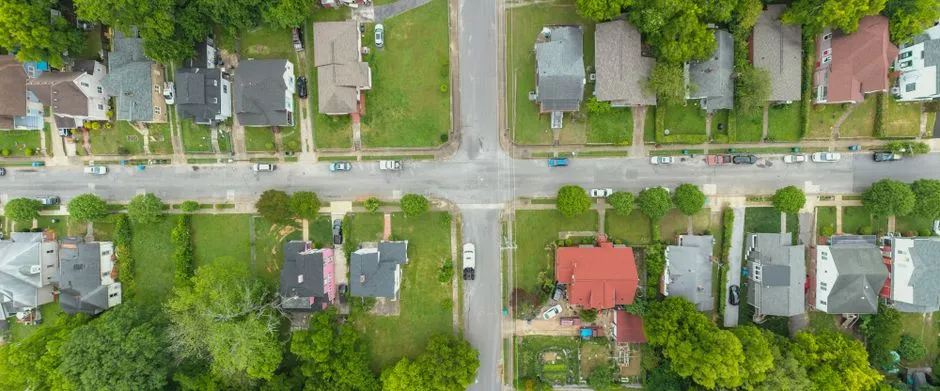
In real estate, location is highly hyper-local. A rental unit two blocks away might command a 20% premium if it sits within a better school district or closer to a major transit hub. When looking for comps, start with a tight radius of 0.5 miles. Only expand to 1 or 2 miles if you are in a rural or highly suburban area with sparse data.
Step 2: Filter by Property Type and Layout
Compare apples to apples. If you own a three-bedroom single-family home, do not compare it to a three-bedroom apartment in a high-rise building. The target demographic, utility costs, and lifestyle expectations are completely different. Filter your search by:
- Property type (single-family home, condo, townhouse, multi-family apartment)
- Number of bedrooms and bathrooms
- Total square footage (keep your comps within a 10% to 15% range of your property's size)
Step 3: Gather Data from Multiple Platforms
Do not rely on a single website for your research. Check multiple consumer-facing rental portals such as Zillow, HotPads, and Craigslist to see what local landlords are asking. Additionally, you can look at regional housing data from sources like the U.S. Department of Housing and Urban Development (HUD) to understand Fair Market Rents in your county.
Evaluating Rental Research Methods
Different methods of gathering rental comps offer varying levels of accuracy, time commitment, and cost. Landlords should use a combination of these approaches to build a reliable pricing strategy.
| Method Name | Time Needed | Cost Level | Best For |
|---|---|---|---|
| Online Listing Portals | 1 - 2 hours | Free | Quickly scanning active competition in the immediate neighborhood. |
| Professional Rent Reports | Under 30 minutes | Paid | Detailed historical data and automated valuation models. |
| Local Property Managers | 1 - 2 days | Free / Budget | Getting expert local insights and vacancy rate trends. |
| DIY Open Houses | 2 - 3 hours | Free | Directly observing the condition and appeal of competing units. |
RentFlow lets you track rent, tenants, leases and expenses without spreadsheets — plus free calculators for rental yield, cash flow and legal rent increases across 18 countries.
Adjusting Your Price for Amenities and Condition
Once you have established a baseline price from your comps, you must adjust that price to reflect the unique strengths and weaknesses of your specific unit. This is where you fine-tune your pricing strategy.
Value-Adding Features
Some features consistently command a premium in almost every rental market. If your unit has these and your comps do not, you can safely price your unit slightly above the baseline:
- In-unit laundry: Washer and dryer hookups or supplied machines are highly prized by tenants.
- Dedicated parking: A private garage, carport, or dedicated driveway space, especially in dense urban environments.
- Outdoor space: A private balcony, patio, or fenced backyard for pets.
- Modern renovations: Updated kitchens with stainless steel appliances and stone countertops, or updated bathrooms.
Price-Deducting Factors
Conversely, if your property lacks basic conveniences or suffers from structural drawbacks, you must discount your price to remain competitive:
- No parking: Relying purely on difficult street parking.
- Poor layout: Walk-through bedrooms or a bathroom located in an awkward area.
- Lack of natural light: Garden-level or basement apartments with small windows.
- Obsolete heating/cooling: No air conditioning in warm climates, or old, inefficient heating systems.
Factoring in Seasonality and Market Timing
The rental market is highly seasonal. The vast majority of moving activity occurs during the late spring and summer months (May through August). Families want to move before the new school year starts, and college students are relocating for the fall semester.
Summer Pricing Strategy
During peak season, demand is high. You can often price your unit at the higher end of your calculated range because there are more active renters looking for housing. Vacancies during this time are usually filled quickly.
Winter Pricing Strategy
During the late autumn and winter (November through February), moving activity drops significantly. If your unit becomes vacant during this period, you may need to price it 5% to 10% lower than your summer rate, or offer concessions (such as half a month of free rent) to secure a tenant quickly and avoid a prolonged vacancy.
Common Mistakes to Avoid
Even experienced real estate investors fall into traps when pricing their properties. Avoid these common pitfalls to keep your portfolio profitable:
- Pricing based on your financial needs: Tenants do not care about your mortgage payment, property taxes, or maintenance costs. They only care about how your unit compares to others on the market.
- Ignoring the vacancy rate: If the neighborhood vacancy rate is rising, it indicates a renter's market. You must be more aggressive with your pricing to attract qualified applicants.
- Relying solely on active listings: Active listings show what landlords *hope* to get, not what tenants are actually paying. Try to find historical data on what units actually rented for.
- Failing to calculate your actual yield: Always run your numbers through a dedicated yield calculator. Knowing your gross yield and net cash flow helps you understand if your target rent price actually makes the property a viable investment.
- Overestimating the value of minor upgrades: A fresh coat of paint or a new light fixture is expected maintenance, not an upgrade that justifies a $100 monthly rent increase.
Frequently Asked Questions
How often should I raise the rent on my property?
Most landlords review rent prices annually, typically coinciding with the lease renewal period. Any increases should be aligned with local inflation, changes in the market rate for similar units, and local landlord-tenant laws regarding rent control. Keeping a good tenant at a slightly below-market rate is often more profitable than raising the rent and risking a vacancy.
What is a good rent-to-income ratio for screening tenants?
The standard industry guideline is that a tenant's gross monthly income should be at least three times (3x) the monthly rent. This ensures they have sufficient funds to cover their living expenses and pay their rent reliably. If you price your rent at $2,000, your target tenants should have a verifiable household income of at least $6,000 per month.
Should I offer rent concessions instead of lowering the rent?
Rent concessions, such as offering "one month free on a 12-month lease," are an excellent tool during slow seasons. Concessions allow you to keep the "face rent" (the official lease price) high, which protects the long-term valuation of your property, while lowering the effective cost for the tenant to incentivize a quick move-in.
Is square footage or bedroom count more important for pricing?
Bedroom and bathroom count generally have a larger impact on rental pricing than raw square footage. A compact 900-square-foot two-bedroom apartment will almost always command a higher rent than a spacious 1,000-square-foot one-bedroom apartment in the same building, as it accommodates different household structures and roommates.
How do pet policies affect how much rent I can charge?
Allowing pets can significantly increase your pool of prospective tenants. In many markets, landlords can charge a reasonable, non-refundable pet fee, a refundable pet deposit, or additional monthly "pet rent" (typically $25 to $50 per pet) to offset the potential risk of wear and tear, thereby increasing overall yield.
Can I charge more rent if my unit is furnished?
Yes, fully furnished units can command a rent premium of 15% to 30% or more compared to unfurnished units. However, furnished rentals typically experience much higher turnover rates, attract shorter-term tenants, and require ongoing maintenance and replacement of household items.
Ultimately, learning how to set the right rent price is a continuous process of observation and adjustment. By analyzing accurate local comps, adjusting for your property's specific amenities, and evaluating your cash flow using dedicated tools like RentFlow, you can maximize your investment's returns while maintaining a healthy, low-vacancy rental business.

Landlord & Rental Guides Writer, Tabserve
Selçuk writes RentFlow's landlord and rental-property guides — leases, tenant screening, rent increases and the numbers behind rental yield.